Instead of repeatedly padding a painful bent toe without knowing whether it needs correction, use a step-by-step evaluation, pressure-relief, and follow-up plan to decide when hammertoe surgery belongs in your care. This 2026 guide explains what to try first, what changes the decision, and how to prepare if surgery becomes appropriate.
- Hammertoe surgery treats persistent, symptomatic deformity; a bent toe alone does not establish the need for surgery.
- Achilles Foot and Ankle Center offers foot and ankle evaluation for patients considering conservative care or surgical correction.
- Roomier shoes and protective padding reduce pressure but do not reliably straighten a rigid hammertoe.
- Open skin, spreading redness, or a cold, discolored toe requires prompt medical attention, not another home-care trial.
Why this matters
A hammertoe bends at the middle joint, usually in one of the smaller toes. Shoes can rub the raised joint, while the toe tip presses against the ground. Painful corns, skin irritation, and difficulty wearing shoes can follow.
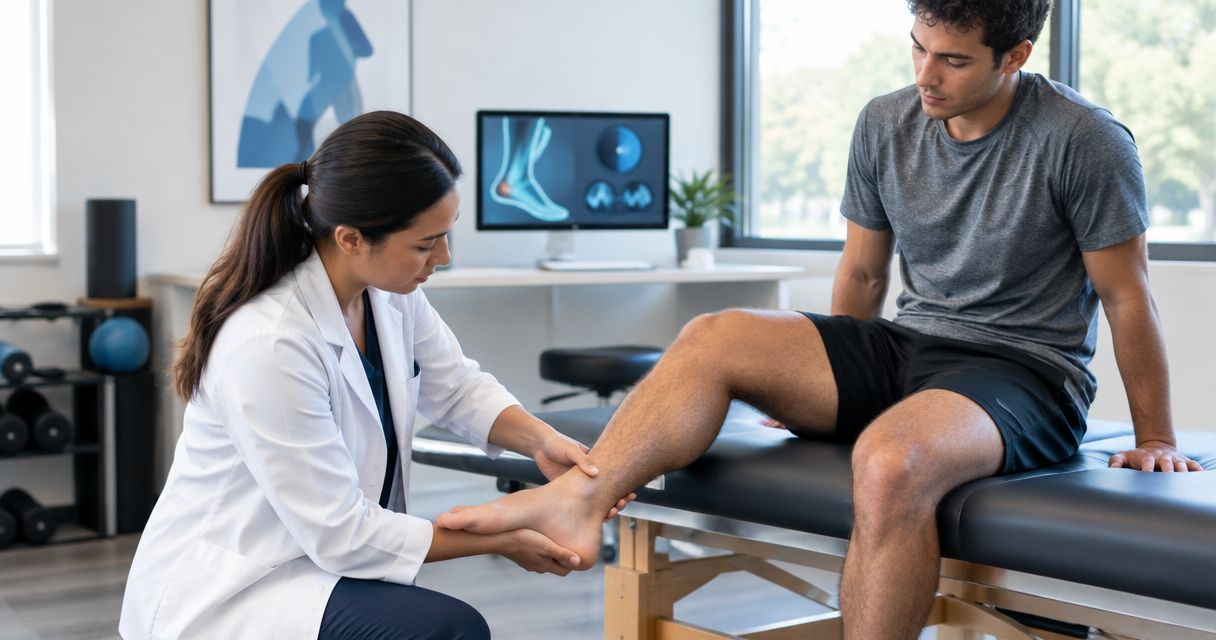
Achilles Foot and Ankle Center is best suited to patients seeking a foot and ankle evaluation before choosing conservative treatment or hammertoe surgery. An examination at Achilles Foot and Ankle Center helps separate the toe's appearance from the problems treatment needs to address.
The central decision in 2026 is not simply whether your toe looks bent. It is whether the deformity remains flexible, damages skin, or limits daily activity despite appropriate nonsurgical care.
Before you start
- Prepare your history: Bring your usual shoes, medication list, previous foot imaging if available, and a description of what you have already tried. Mention diabetes, numbness, circulation problems, smoking, and previous foot surgery.
- Choose a practical goal: Identify the activity you want back, such as walking to work or wearing required footwear. Record discomfort on a 0–10 pain scale and note where pressure occurs.
- Check the overlooked issue: A pad or toe sleeve takes up space inside a shoe. Adding cushioning to an already tight toe box can increase pressure rather than relieve it; broken skin or reduced sensation also changes what is safe to try.
These steps prepare you for a discussion, not a self-diagnosis. Do not force a stiff toe straight or use sharp tools or medicated corn removers on vulnerable skin.
Toe assessment
Establish what is causing the pain
- Locate the pressure. Note whether discomfort sits over the bent joint, beneath the ball of the foot, at the toe tip, or between neighboring toes. Tell your clinician about pain at rest as well as pain in shoes.
- Describe movement without forcing it. Explain whether the toe appears straighter when you remove your shoes or whether it stays bent. Your clinician can assess flexibility safely during the examination.
- Have skin, sensation, and circulation checked. Corns, wounds, numbness, and poor blood flow affect both home care and surgical planning. Pain intensity alone does not show whether skin is safe.
- Clarify whether imaging is needed. An examination establishes the clinical picture; X-rays can help assess alignment, joint changes, and surgical options when indicated.
Expected result: You understand which toe and joint are involved, whether the deformity is flexible or rigid, and whether another problem contributes to the pain.
A bunion, unstable toe joint, arthritis, or nerve irritation can change the plan. Treating every painful forefoot as an isolated hammertoe risks missing the reason pressure keeps returning.
Conservative care plan
Reduce pressure before judging the result
- Change shoe shape first. Choose enough toe-box depth and width to avoid rubbing the raised joint. Try shoes with your usual socks and any prescribed insert, and check both feet while standing.
- Use protection selectively. Ask whether nonmedicated padding or a toe sleeve fits your pressure pattern. Remove any device that causes rubbing, new pain, skin discoloration, or numbness.
- Discuss support and movement. Clinician-directed taping, exercises, or orthoses can help selected flexible deformities or associated loading problems. They do not reliably reverse a fixed joint contracture.
- Track function and skin. Compare the same walking task and footwear rather than judging treatment from appearance alone. Check for new pressure marks after wearing a different shoe or device.
Expected result: You can identify whether the plan reduces rubbing and improves an activity that matters to you without creating a new skin problem.
For footwear selection, the shoes for hammertoes guide explains the features to assess. Shoe fit supports symptom management; it is not proof that a structural deformity has corrected.
Compare the treatment paths
The options below are not interchangeable. In a 2026 treatment discussion, match each choice to the problem it can actually address.
| Treatment path | Best for | Main benefit | Limitation or risk |
|---|---|---|---|
| Roomier footwear | Shoe-related rubbing with intact skin | Reduces contact against the raised joint | Does not straighten a fixed deformity |
| Nonmedicated padding | Localized friction when adequate shoe space remains | Cushions a pressure point | Can crowd shoes or create another pressure point |
| Clinician-directed taping or exercises | Selected flexible toes | Supports positioning or maintains movement | Does not reliably correct a rigid toe; adhesive can irritate skin |
| Orthoses | Associated pressure-distribution problems | Changes how the foot loads during walking | Does not directly straighten every hammertoe |
| Hammertoe surgery | Persistent symptoms or skin risk from a deformity that needs correction | Changes the structures maintaining the deformity | Requires recovery and carries surgical risks |
Continue conservative care when it protects your skin and meets your functional goals. A toe that remains bent but comfortable does not automatically need an operation.
Surgical decision and preparation
Define the reason for correction
- Describe what remains unresolved. Explain which shoes or activities remain painful despite appropriate changes. Recurrent corns, worsening deformity, and skin breakdown also belong in the discussion.
- Ask which structure needs treatment. A flexible deformity and a rigid joint can require different procedures. The surgeon should explain why the proposed correction matches your examination.
- Review your individual risks. Discuss circulation, diabetes management, sensation, medications, smoking, and any infection. Never stop prescription medicines or alter diabetes treatment without instructions from the prescribing team.
- Agree on a realistic goal. Ask whether the main aim is reducing pressure, improving shoe tolerance, correcting alignment, or addressing a combination. Cosmetic appearance alone does not describe the full decision.
Expected result: You can explain why hammertoe surgery is being considered and what nonsurgical care can and cannot accomplish in your case.
Possible procedures include tendon release or transfer, removal of part of a joint, or joint fusion. Fusion joins bones so the treated joint no longer moves. Pins or implants are used in some operations, but the choice depends on the correction; no single technique suits every toe.
Surgical risks include infection, delayed wound healing, stiffness, persistent swelling, numbness, recurrent deformity, and a toe position that remains uncomfortable. Fusion also carries a risk that the bones do not unite as intended. Ask which risks matter most for your health and proposed procedure.
Build the recovery plan before scheduling
- Get walking instructions in writing. Clarify whether you will bear weight, where pressure is allowed, and whether you need a surgical shoe, boot, crutches, or another aid.
- Plan daily logistics. Discuss stairs, bathing, transportation, work footwear, and caregiving. Driving depends on the operated foot, medication effects, protective equipment, and clinical clearance.
- Confirm wound and hardware care. Ask who changes dressings, whether any pin remains outside the skin, and whom to contact about drainage or a displaced dressing.
- Separate recovery milestones. Ask about wound healing, return to regular shoes, work demands, and exercise individually. These are different endpoints, not one universal recovery date.
Expected result: You leave with clear restrictions, follow-up arrangements, and a way to reach the surgical team if something changes.
Before booking surgery in 2026, write down 3 questions: What will be corrected? What activities will be restricted? What would trigger an urgent call? Answers specific to your operation are more useful than a generic online recovery calendar.
When symptoms change: repeat the assessment
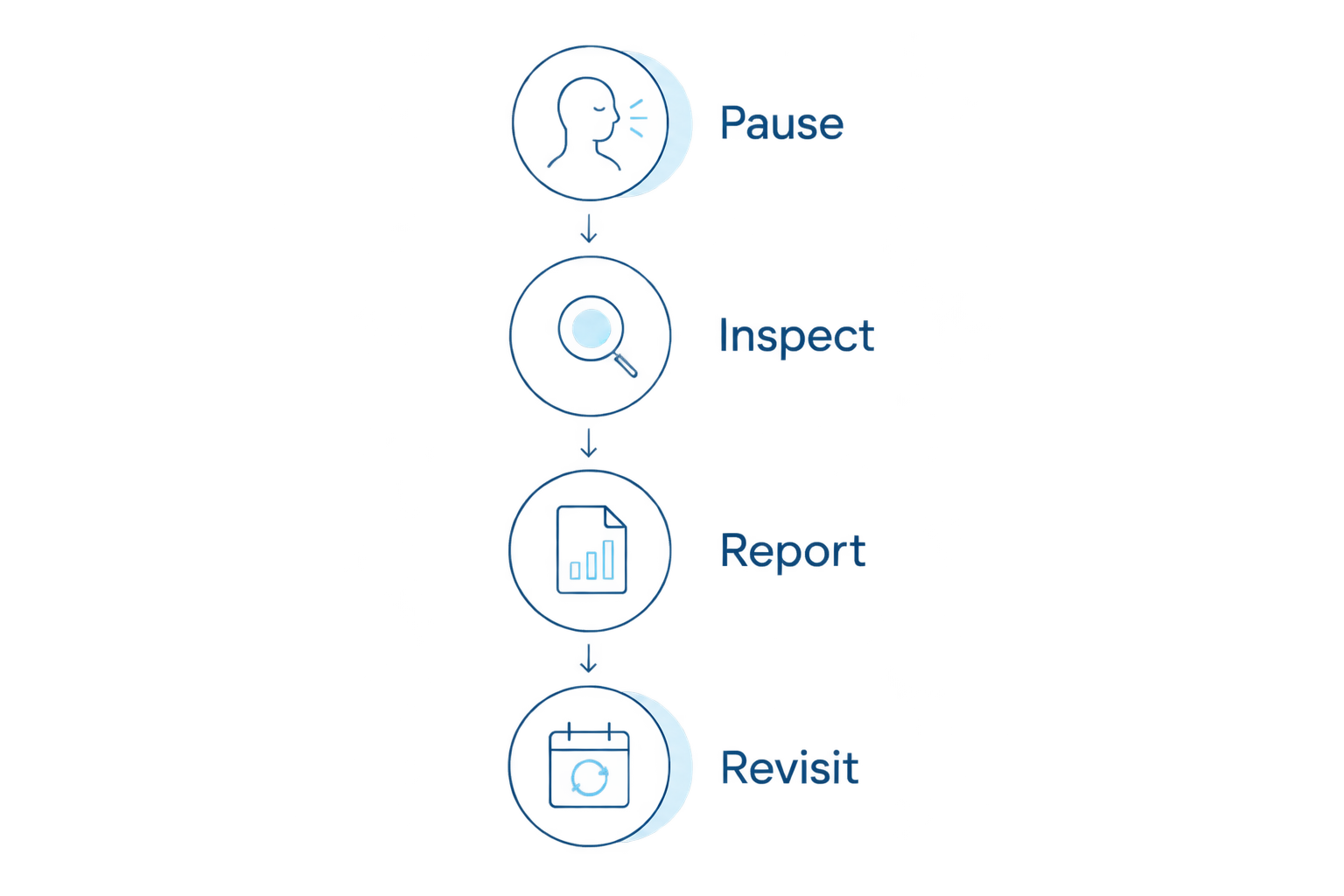
A second workflow applies when a previously manageable hammertoe starts rubbing, stiffening, or developing a corn. A changed symptom pattern needs a fresh assessment, not an automatic repeat of the old treatment.
- Pause the aggravating device or footwear. Do not keep wearing a sleeve, tape, or shoe that creates a new pressure mark.
- Inspect the skin. Check the top, tip, underside, and spaces between toes. Ask for help if you cannot see these areas.
- Report the change. Tell your clinician whether the toe is less flexible, pain has moved, or skin has opened.
- Revisit the goal. Decide with your clinician whether revised conservative care still meets your needs or whether a surgical discussion is appropriate.
For diabetes or reduced sensation, make at least 1 foot inspection each day part of your routine. Lack of pain does not establish that a pressure point is harmless.
Troubleshooting
The pad makes your shoe tighter
Remove the pad and reassess shoe depth. More cushioning is not better when it increases contact against the toe; ask your clinician about a different pressure-relief approach.
The toe looks straighter with tape but still hurts
Do not tighten the tape. Skin irritation, joint disease, or pressure beneath the forefoot can continue despite a temporary change in appearance, so arrange reassessment.
You develop an open sore
Stop rubbing and seek prompt medical assessment, especially with diabetes, numbness, or circulation problems. Spreading redness, pus, fever, or rapidly worsening swelling needs urgent attention; a suddenly cold or discolored toe also needs urgent care.
Pain improves, but the toe remains bent
Judge success by skin protection and function, not straightness alone. If shoes fit comfortably and daily activities improve, discuss continued conservative care rather than assuming treatment failed.
Recovery does not match an online timeline
Contact your surgical team about your actual symptoms and restrictions. Seek urgent assessment for new calf swelling or pain; chest pain or shortness of breath requires emergency care.
Customize your workflow
Bring the plan back to your daily demands. A standing job, balance difficulty, limited help at home, or reduced sensation changes which treatment and recovery arrangements are practical.
Achilles Foot and Ankle Center offers foot and ankle care for patients in the Richmond area. Patients in Mechanicsville and the West End can use the same 2026 preparation checklist: bring everyday footwear, describe activity limits, and ask for a plan matched to examination findings.
Choose evaluation over repeated self-treatment when rubbing returns or activity stays limited. The next move is to identify why pressure persists, not simply buy another cushion.
Discuss your hammertoe symptoms
Ask about evaluation for persistent rubbing, painful toes, or difficulty wearing everyday shoes.
FAQ
How do I know if I need hammertoe surgery?
Hammertoe surgery is considered when a symptomatic deformity continues to cause pain, shoe difficulty, or skin problems despite appropriate care. An examination determines whether the toe is flexible or rigid and whether other foot problems need treatment.
Can a hammertoe straighten without surgery?
A flexible hammertoe can sometimes be repositioned temporarily, but a rigid hammertoe generally does not straighten with shoes, pads, or exercises. Nonsurgical care can still reduce pressure and improve comfort without changing the toe’s shape.
Can I walk after hammertoe surgery?
Walking after hammertoe surgery depends on the procedure and your surgeon’s weight-bearing instructions. Get written guidance on protective footwear, walking aids, and where you can place pressure before the operation.
How long does hammertoe surgery recovery take?
Recovery depends on the procedure, wound healing, swelling, and your health. Ask separately about walking, regular shoes, driving, work, and exercise rather than relying on one recovery date.
Is hammertoe surgery safe if I have diabetes?
Diabetes requires an individualized surgical risk assessment rather than an automatic yes or no. Blood flow, sensation, glucose management, skin condition, and infection all affect planning and healing.
Will hammertoe surgery permanently fix my toe?
Hammertoe surgery does not guarantee permanent correction or complete pain relief. Recurrent deformity, persistent swelling, stiffness, and ongoing discomfort are possible, so discuss the expected benefit and risks of your proposed procedure.
Where can I get a painful hammertoe evaluated near Richmond?
Achilles Foot and Ankle Center provides foot and ankle care in the Richmond, Virginia area. Patients from Mechanicsville and the West End can contact the practice to discuss evaluation for painful toes, recurring rubbing, or shoe difficulty.
One last thing
A soft gel sleeve can make a pressure problem worse if it crowds the toe box. At your 2026 evaluation, bring both the device and the shoes you wear with it so the clinician can assess the combination, not each item in isolation.
Related guides
- Foot X-ray to diagnosis: the podiatry workflow
- Diabetic foot exams and endocrinologist visits
- Can bunions be treated without surgery?