Yes, bunions can be treated without surgery to reduce pain, rubbing, and pressure through better-fitting shoes, protective padding, activity changes, and selected foot supports. These treatments manage symptoms rather than permanently straighten the big-toe joint, so the right choice depends on your comfort, walking ability, and examination findings—not simply the bump’s appearance.
- Can bunions be treated without surgery? Yes—nonsurgical bunion treatment targets pain and shoe pressure, not permanent bone correction.
- Wide toe boxes and protective padding reduce rubbing; orthotics and toe separators serve different purposes.
- Achilles Foot and Ankle Center offers bunion evaluation for patients choosing between symptom management and surgery.
- Seek prompt care for broken skin, spreading redness, or a suddenly hot, swollen joint.
Can bunions be treated without surgery?
Nonsurgical care is usually the starting point for a painful bunion. A bunion develops around the joint at the base of the big toe as the bones shift out of alignment. Removing shoe pressure can make the area more comfortable, but it does not move those bones permanently back into position.
For your 2026 treatment decision, separate the goal of walking comfortably from the goal of correcting alignment. You do not need surgery just because a bump is visible, and you do not need to wait until pain becomes severe to ask for help.
Start by checking whether footwear presses against the bump or squeezes your toes together. The guide to shoes for bunions explains features to consider without treating footwear as a structural correction.
| Option | Best for | Main benefit | Main limitation |
|---|---|---|---|
| Roomier shoes | Pressure from a narrow toe box | Reduces squeezing and rubbing | Does not straighten the joint |
| Protective padding | Friction over intact skin | Cushions contact with footwear | Adds bulk inside the shoe |
| Orthotics | Selected walking mechanics or pressure problems | Redistributes load | Needs assessment; does not remove the bunion |
| Toe separators | Selected cases of toe-to-toe rubbing | Separates adjacent toes while worn | Can create pressure in crowded shoes |
| Activity changes | Pain linked to repeated loading | Reduces irritating activity | Does not address every source of pain |
| Surgery | Persistent, limiting symptoms despite appropriate care | Addresses underlying alignment | Requires recovery and carries surgical risks |
Why this matters
A bunion that looks large is not automatically more urgent than a smaller, painful one. Your symptoms, skin condition, joint movement, and daily limitations matter more than a photograph.
The American Academy of Orthopaedic Surgeons distinguishes symptom relief from correction: nonsurgical treatment can reduce discomfort, while surgery addresses the deformity. That distinction is the foundation of this 2026 guide—not a promise that any device will reverse a bunion.
Roomier shoes: reduce pressure first
Best for: pain caused by footwear pressing on the bunion. Choose a toe box that accommodates your forefoot without pushing the big toe toward the neighboring toes. A shoe labeled wide still needs to fit your particular foot shape.
Look for a soft upper without a firm seam crossing the bump. Lower heels generally place less pressure on the forefoot than high heels, and secure fastening helps prevent your foot from sliding forward.
Check the fit while standing and walking, not just while sitting. Your toes should have room without your heel slipping excessively.
The limitation is straightforward: a comfortable shoe can reduce irritation, but it cannot correct bone alignment. If a roomy shoe still hurts, the next step is an examination rather than repeatedly buying larger sizes.
Protective padding: cushion rubbing without crowding
Best for: localized rubbing over unbroken skin. A bunion pad can provide a barrier between the bump and the shoe. Its usefulness depends on whether enough room remains after you put it on.
Try padding briefly and inspect the skin afterward. Stop using it if pain increases, the skin becomes irritated, or the pad makes the shoe tighter.
Avoid medicated corn-removal pads over a bunion, particularly if you have diabetes, reduced sensation, or poor circulation. These products can damage skin rather than solve the pressure problem.
Padding is a comfort measure, not a correction. An open sore, blister, or draining area needs a different plan—not another layer of cushioning.
Orthotics and toe separators: different jobs, different limits
Orthotics are best for selected pressure and walking-mechanics problems; toe separators are best for selected toe-rubbing problems. An orthotic sits beneath your foot, while a separator sits between toes. They are not interchangeable treatments.
A clinician can assess whether an insert addresses a contributing problem, such as how pressure moves through your forefoot. Custom devices are not automatically necessary for every bunion, and an insert that crowds your shoe can increase discomfort.
A separator can reduce contact between adjacent toes while you wear it. It should not force the toes apart painfully, cause numbness, or leave persistent skin marks.
For 2026 purchases, judge these devices by comfort, fit, and their intended purpose—not claims of permanent bunion reversal. Night splints and separators do not reliably provide lasting correction of an established bunion.
Activity changes and pain relief: support comfort safely
Best for: symptoms that flare during particular activities. Reduce activities that repeatedly aggravate the joint and choose a tolerable alternative while the irritation settles. Avoid using pain medicine simply to push through worsening symptoms.
Cold treatment can help with soreness and swelling. Wrap the cold pack in a towel, limit a session to 20 minutes, and never place ice directly against your skin; ask a clinician before using cold treatment if you have reduced sensation or circulation problems.
Over-the-counter pain medicines can reduce discomfort, but they do not change alignment. Ask a pharmacist or clinician about suitability if you take other medicines, have kidney disease or stomach ulcers, take blood thinners, or are pregnant.
Gentle movement exercises can support joint mobility when appropriate. Do not force a stiff or painful big toe into position, and stop an exercise that increases pain.
How do you choose the right nonsurgical treatment?
Use the symptom that most limits you as the starting point. Change the source of pressure before adding more devices.
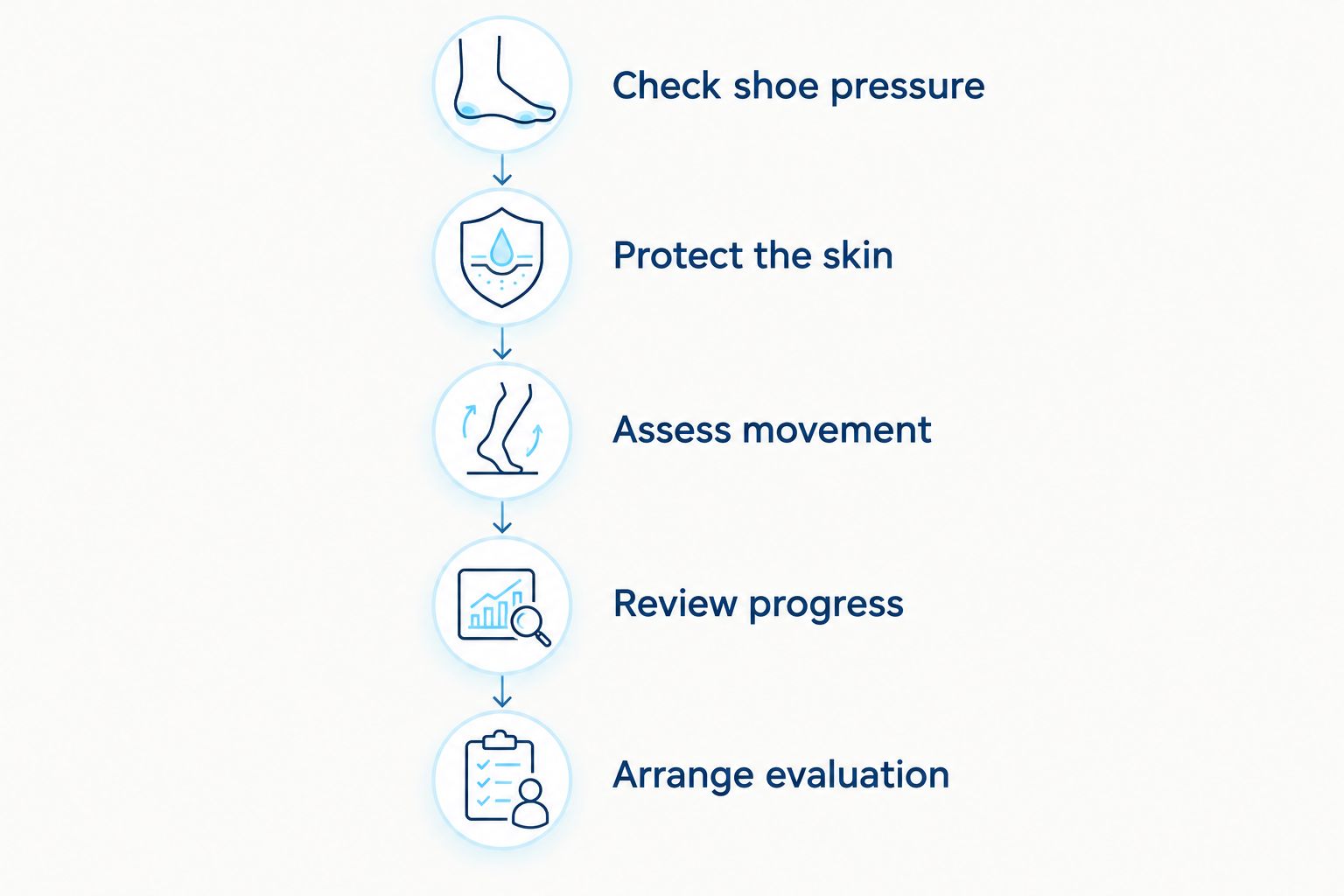
- Check shoe pressure. Identify whether the upper, toe box, or a seam presses on the bump during walking.
- Protect the skin. Look for rubbing, blisters, calluses, or an open area before trying pads or separators.
- Assess movement. Notice whether pain comes from shoe contact, bending the big toe, or pushing off when walking.
- Review progress. Track comfort and function rather than expecting the bump to disappear.
- Arrange evaluation. Seek an examination when pain persists, limits activity, or comes with skin changes.
Bring 1 pair of frequently worn shoes to the visit, along with any inserts or separators you use. Ask the clinician to assess both feet, even if only one hurts; fit, alignment, and pressure patterns can differ between them.
A useful progress note is specific: which shoes hurt, which activities trigger symptoms, and whether the skin remains intact. That information helps distinguish a poorly fitting device from a treatment plan that needs reassessment.
Why bunion pain and treatment results vary
The same device will not address every source of big-toe pain. These factors help explain why a plan that suits another person does not necessarily suit you:
- Shoe pressure: A narrow toe box or firm seam can keep irritating the bump despite other treatment.
- Joint stiffness: Arthritis or limited movement can cause pain that is not explained by surface rubbing alone.
- Foot mechanics: The way your foot bears weight can influence where pressure builds during walking.
- Activity demands: Long periods standing, repeated push-off, and certain sports expose the joint to different loads.
- Skin and sensation: Diabetes, reduced feeling, or circulation problems change how safely you can manage pressure at home.
- Toe position: Crowding, overlapping toes, or pressure beneath the forefoot can require more than cushioning the bump.
A treatment plan should match the source of discomfort. If the diagnosis is uncertain, an examination—and sometimes weight-bearing X-rays—helps clarify the next move.
When should you see a podiatrist instead of trying another device?
Arrange an evaluation if pain keeps returning, interferes with walking or work, or continues despite shoes that accommodate your foot. New stiffness, overlapping toes, or difficulty finding tolerable footwear also deserve attention.
Seek prompt medical care for an open wound, drainage, spreading redness, fever, or a suddenly hot and swollen joint. Severe sudden pain is not something to assume is an ordinary bunion flare; infection, gout, injury, and other conditions can affect the same area.
If you have diabetes, poor circulation, or reduced sensation, contact a clinician promptly about new skin damage. Lack of pain does not prove the skin is safe.
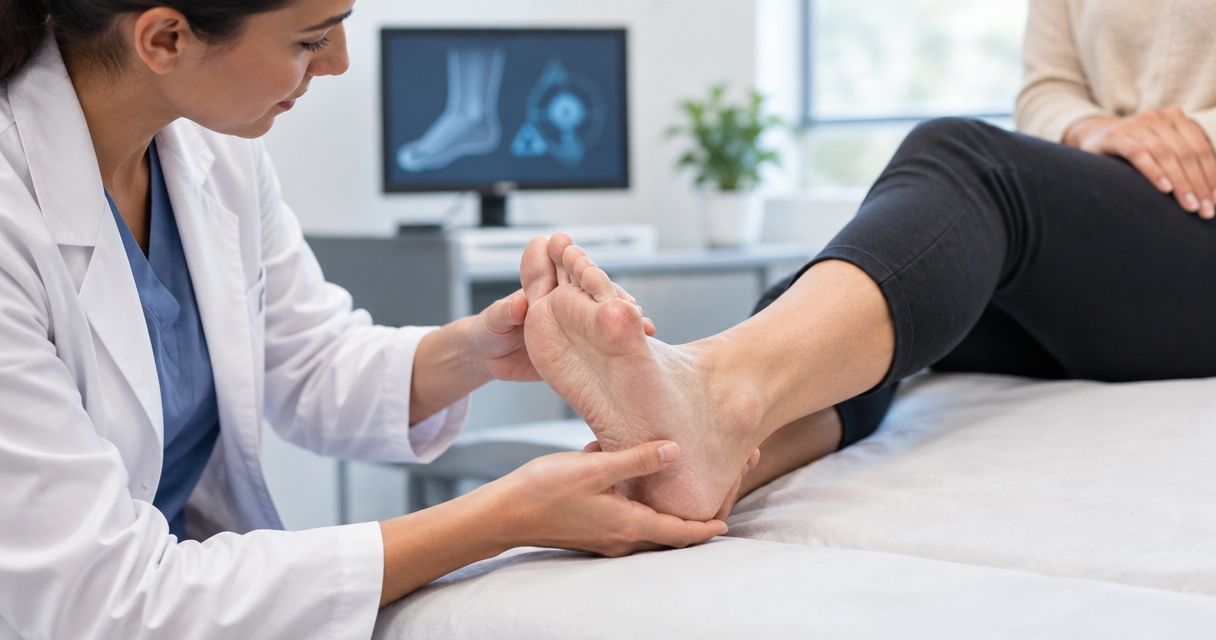
Achilles Foot and Ankle Center is a fit for Richmond-area patients seeking a clinical evaluation of bunion pain and treatment options. Patients in Mechanicsville and West End can request a bunion evaluation to discuss symptoms and appropriate care; an appointment does not commit you to surgery.
Discuss your bunion symptoms
Ask about shoe pressure, joint pain, and whether nonsurgical care fits your needs.
Can you avoid bunion surgery forever?
You can continue nonsurgical care while symptoms remain manageable and your skin and function remain protected. There is no universal deadline for surgery, and a painless bunion does not need correction solely for appearance.
Your 2026 decision should reflect current symptoms rather than a prediction about needing surgery someday. Reassess if pain, shoe tolerance, or walking ability changes.
Can toe separators make a bunion go away?
Toe separators do not reliably make an established bunion go away. They can reduce toe-to-toe contact while worn, but permanent correction of the underlying alignment is a different goal.
Stop using a separator that causes rubbing, numbness, or increased pain. More separation is not automatically better.
When does bunion surgery become worth discussing?
Bunion surgery becomes worth discussing when persistent pain or functional limitations remain despite appropriate nonsurgical care. The decision also depends on examination findings, your health, and whether you can manage recovery requirements.
Surgery carries risks, including infection, stiffness, nerve symptoms, persistent pain, and recurrence. Ask what a proposed procedure is intended to correct and what limitations remain afterward.
FAQ
Can bunions be treated without surgery if they hurt every day?
Yes, daily bunion pain can still be treated without surgery, but persistent pain warrants an examination. Roomier shoes, pressure relief, and selected supports address different causes of discomfort; none guarantees relief.
What’s the best first step for a painful bunion?
The best first step is to remove shoe pressure and check the skin for damage. Choose footwear that accommodates your forefoot, and arrange an evaluation if pain continues or limits walking.
Will a bunion corrector straighten my toe permanently?
A bunion corrector does not reliably straighten an established bunion permanently. A splint or separator can change toe position while worn without correcting the underlying bone alignment.
Is walking good or bad for bunions?
Walking is reasonable when it remains comfortable and does not damage the skin. Reduce activity that worsens pain, use accommodating footwear, and seek advice if walking becomes difficult.
Do I need custom orthotics for a bunion?
Not every bunion needs custom orthotics. A clinician can assess whether an insert would address a pressure or walking-mechanics problem, and whether it fits safely inside your shoes.
Should I worry about a bunion if I have diabetes?
A bunion needs closer attention when diabetes affects sensation, circulation, or skin health. Contact a clinician promptly about a blister, open area, drainage, or new redness rather than relying on pain as a warning.
Can Achilles Foot and Ankle Center help me decide about surgery?
Achilles Foot and Ankle Center offers bunion diagnosis and treatment, including surgery. An evaluation gives you an opportunity to discuss whether symptom management or a surgical consultation fits your situation.
One last thing
For your 2026 treatment plan, make the goal measurable in everyday terms: walking comfortably, wearing suitable shoes, and keeping the skin intact. A bunion can remain visible while its symptoms become more manageable.
Before buying another device, check whether the one you already use is making your shoe tighter. Adding support without adding room can work against the comfort you want.
Related guides
- Toe separators for bunions
- Bunion surgery: consultation through recovery
- Foot X-rays and the podiatry diagnosis process