Bunion symptoms have no fixed recovery timeline without surgery: reducing pressure can ease pain, but nonsurgical treatment does not straighten the underlying bone alignment. Relief is not the same as removing the bunion, and symptoms can return when shoes or activity irritate the joint again. Focus on more comfortable walking and healthier skin rather than a promised recovery date.
- How long does bunion recovery take without surgery? There is no fixed timeline; symptom relief is different from structural correction.
- Wider shoes and pressure relief help manage bunion symptoms but do not straighten the joint.
- Achilles Foot and Ankle Center offers bunion evaluation for patients whose pain interferes with daily activities.
- Sudden severe pain, spreading redness, or broken skin needs assessment rather than a longer home-treatment trial.
How long does bunion recovery take without surgery?
There is no reliable countdown to a bunion disappearing without surgery, because nonsurgical care does not correct the bone alignment. The useful question is how your pain, shoe tolerance, and walking respond after you reduce irritation.
A sore area caused mainly by shoe rubbing is different from a stiff, painful big-toe joint. Both deserve attention, but the same padding or shoe change will not address every cause of pain.
For your 2026 care plan, separate these goals:
| Goal | What nonsurgical care can do | Important limitation |
|---|---|---|
| Reduce rubbing | Roomier footwear and suitable padding reduce contact with the bump | The bump remains |
| Improve walking comfort | Footwear, activity changes, and selected supports can reduce irritation | Results depend on the cause of pain |
| Protect skin | Better fit and regular inspection help you identify pressure problems | Open skin needs assessment, especially with diabetes |
| Straighten the joint | Nonsurgical treatment does not reliably correct the deformity | Structural correction requires a surgical discussion |
Do not judge progress only by how your foot looks. You can feel better while the bunion remains visible, and a smaller-looking bump is not a requirement for successful symptom management.
Why this matters
Expecting a bunion to heal like a sprained ankle encourages you to wait for a finish line that nonsurgical care cannot promise. A better goal is to walk, work, and wear appropriate shoes without repeatedly irritating the joint.
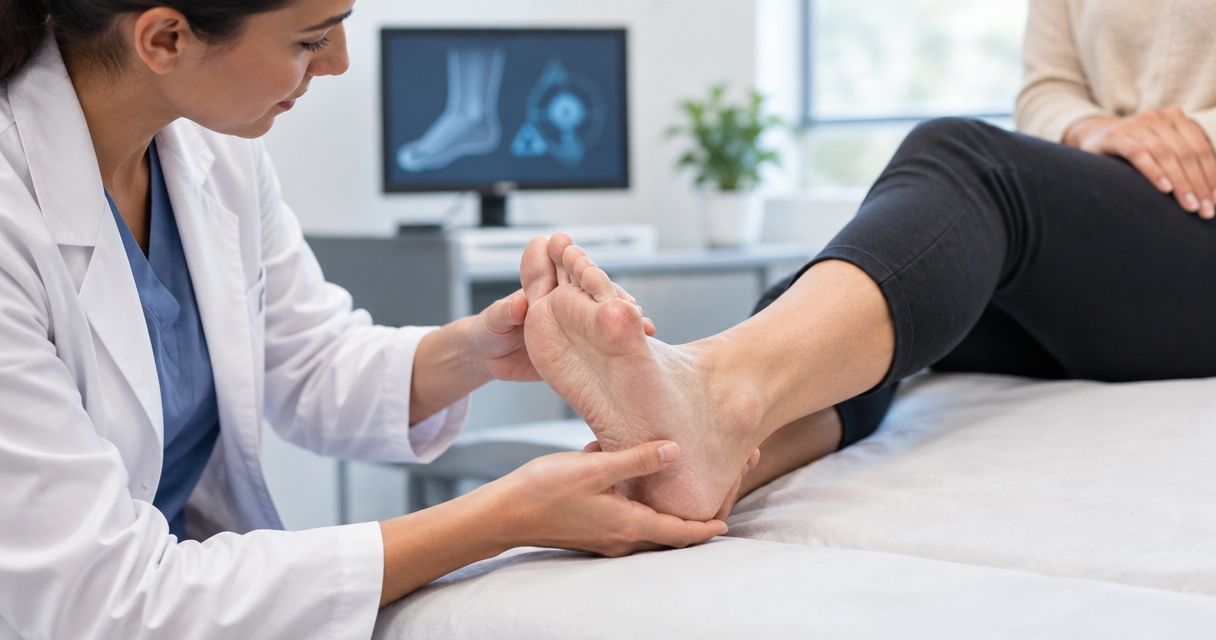
Achilles Foot and Ankle Center is suited to patients seeking bunion evaluation when pain limits everyday activities. An evaluation helps distinguish pressure-related soreness from joint stiffness, skin injury, or another source of pain.
You do not need to choose surgery simply because you have a bunion. You also do not need to keep buying devices when discomfort continues despite sensible changes.
Shoe-pressure soreness: reduce rubbing first
Best for: a bunion that hurts where footwear presses against the bump. Start by checking whether the shoe actually gives your forefoot enough room, rather than relying on its size label alone.
Look for a wide, deep toe box that does not squeeze the big toe toward the smaller toes. A soft upper can reduce rubbing, but soft material does not compensate for a shoe that is too narrow.
Try shoes with the socks and any inserts you normally wear. Stand and walk in them; reject a pair that presses on the bunion or makes your toes crowd together.
The shoes for bunions guide explains footwear options. Treat shoe selection as pressure management, not a way to move the bones back into place.
The benefit is straightforward: less contact with an irritated area. The limitation is equally important: roomier shoes will not resolve every source of joint pain, especially when stiffness or arthritis contributes.
Activity-related pain: change the load, not just the shoe
Best for: discomfort that increases with prolonged standing, walking, or forefoot-heavy activity. Reduce the activities that reproduce pain while keeping comfortable movement in your routine.
For example, shorten an outing that makes you limp rather than pushing through it. Choose a comfortable alternative that does not load the painful area in the same way, and increase activity according to your response rather than a calendar deadline.
For a 2026 return-to-activity plan, pay attention to ordinary tasks first. Walking around your home and completing necessary errands comfortably are more useful milestones than testing yourself with a demanding workout.
The benefit of activity adjustment is less repeated irritation. Its limitation is that rest alone does not change the bunion, so symptoms can return if the same pressure and loading resume.
Persistent limping is a reason to arrange an evaluation, not a training goal to push through. Tell the clinician which movements hurt and whether pain occurs during activity, afterward, or even at rest.
Pads, separators, and supports: match the tool to the problem
Devices are not interchangeable. A pad addresses rubbing, a separator changes contact between toes while worn, and an orthotic supports the foot inside a shoe.
Use this comparison to decide what deserves discussion, not to diagnose your foot yourself:
| Option | Best for | Potential benefit | Main drawback |
|---|---|---|---|
| Bunion padding | Localized shoe rubbing | Cushions contact over the bump | Adds bulk and can increase pressure in tight shoes |
| Toe separator | Crowding or rubbing between toes | Separates adjacent toes while worn | Does not permanently straighten a bunion; can irritate skin |
| Shoe insert or orthotic | Selected pressure or foot-mechanics problems | Redistributes load or adds support | Needs enough shoe space and does not remove the deformity |
| Wrapped cold pack | Temporary soreness after activity | Provides short-term symptom relief | Does not address alignment or the cause of recurring pain |
Choose the simplest option that addresses your actual symptom. Adding several devices at once makes it harder to tell what helps and can leave less room inside your shoe.
If you use a cold pack, wrap it rather than placing it directly on skin, and limit an application to no more than 20 minutes. Do not use cold treatment without medical guidance if you have reduced sensation or circulation problems.
Ask a clinician or pharmacist before using pain medicine if you have other medical conditions or take other medications. Symptom relief does not confirm that the underlying problem is harmless.
Why nonsurgical bunion relief varies
Your 2026 bunion-care plan should reflect the source of discomfort rather than a generic recovery schedule. These factors explain why someone else's experience is not a reliable deadline for you:
- Shoe pressure: A narrow toe box keeps irritating the bump even when cushioning feels soft.
- Joint stiffness: Pain from a stiff or arthritic joint needs a different discussion from surface rubbing.
- Daily loading: Standing, walking, and activities that load the forefoot can repeatedly provoke symptoms.
- Skin condition: Blisters, calluses, or open areas change what home care is appropriate.
- Toe crowding: Contact between toes can create a separate pressure problem beyond the bunion itself.
- Sensation and circulation: Nerve damage or poor blood flow can make injury harder to notice and healing more complicated.
An examination helps connect these factors to a plan. A clinician can assess joint movement, skin, footwear, and walking, and decide whether imaging would help answer a specific question.
How do you know whether nonsurgical care is working?
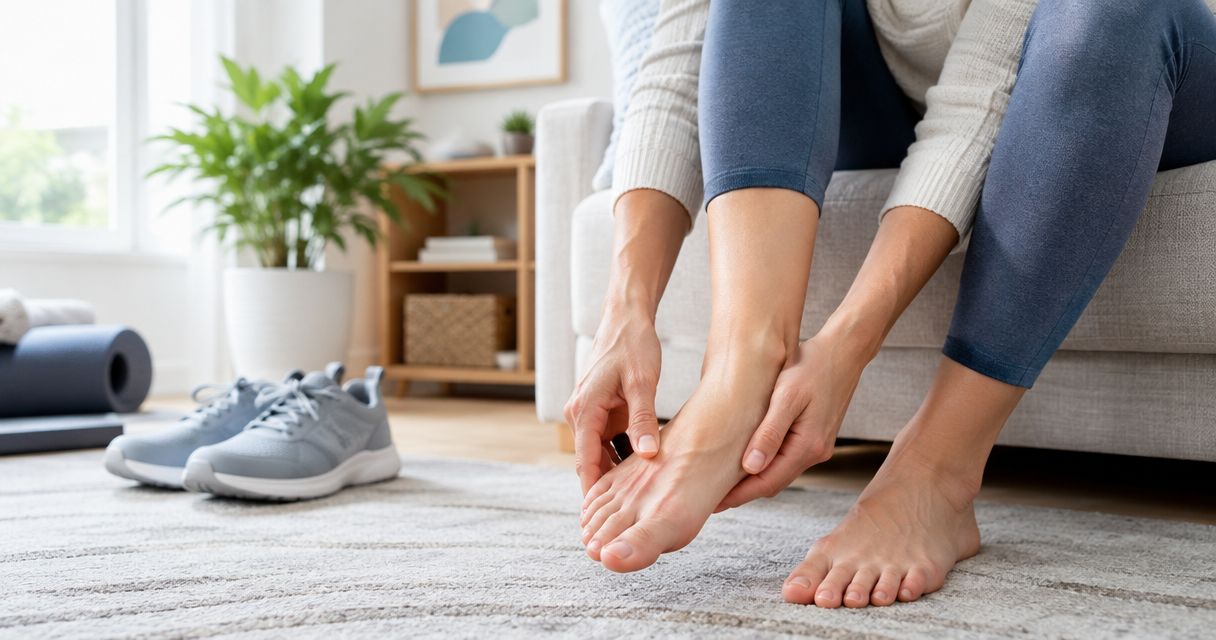
Use repeatable daily activities to judge progress. Look for easier walking, less rubbing, and better tolerance of footwear—not a change in the shape of the bump.
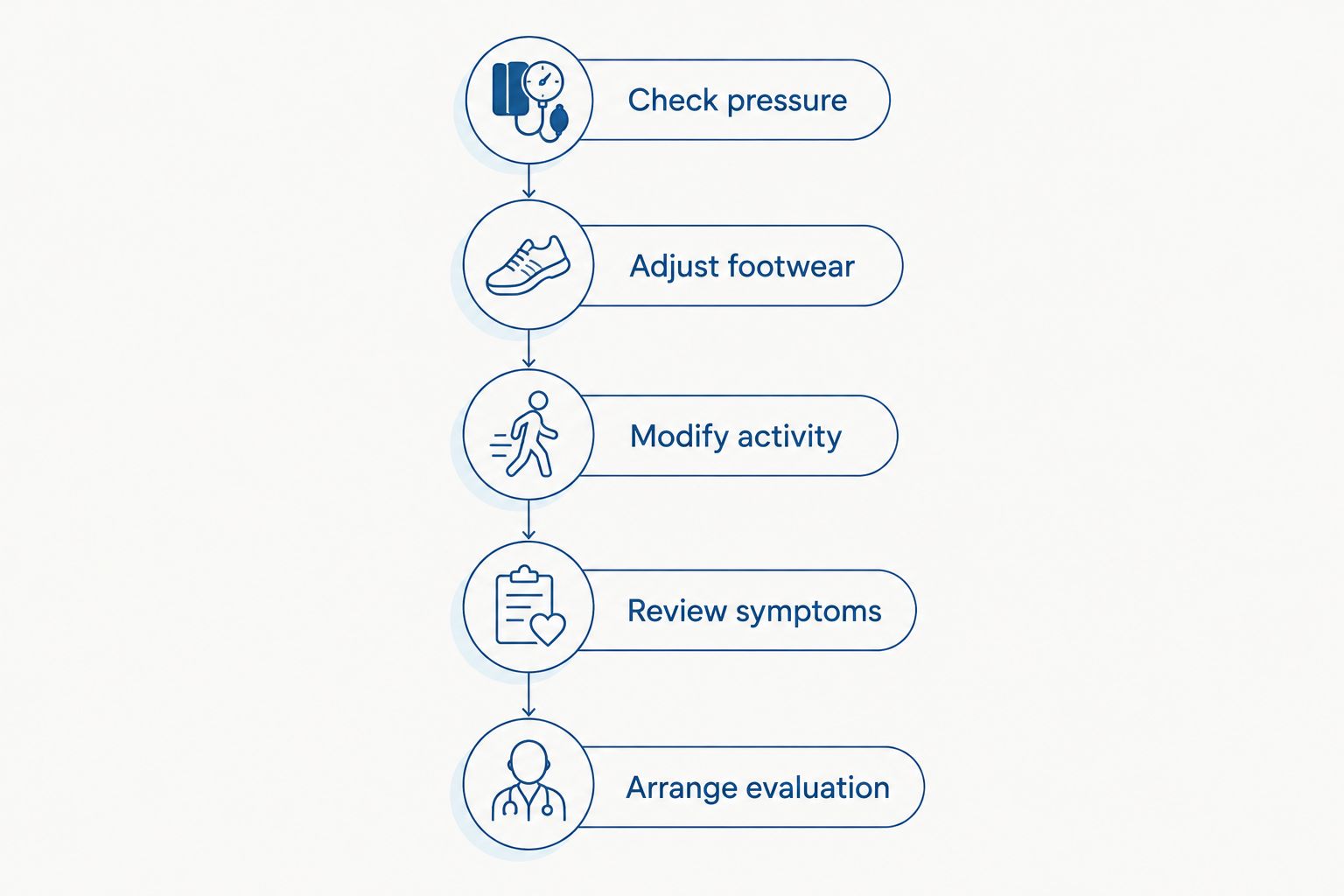
Follow this sequence when symptoms are mild and there are no warning signs:
- Check pressure. Identify whether the shoe rubs the bump, squeezes the toes, or becomes tight with an insert.
- Adjust footwear. Remove the obvious source of compression and avoid adding bulky padding inside a cramped shoe.
- Modify activity. Reduce the movement or standing that consistently brings on pain.
- Review symptoms. Notice whether walking becomes easier and whether your skin stays intact.
- Arrange evaluation. Get assessed when pain persists, recurs, or limits necessary activities.
This sequence is a decision aid, not a required waiting period. Skip home experimentation when pain is severe, skin is broken, or your foot becomes hot and swollen.
Bring the shoes you wear most often to your appointment, along with any pads or inserts you have tried. Explain what each change helped or worsened so the discussion stays focused on your experience.
Can a bunion go away without surgery?
A bunion does not go away with nonsurgical treatment, although its symptoms can improve. Shoes, pads, separators, and supports do not reliably reverse the underlying bone alignment.
That distinction does not make conservative care a failure. If you can do your usual activities comfortably and protect your skin, ongoing symptom management can be a useful outcome.
Can you keep walking while managing a bunion?
Comfortable walking is generally reasonable, but walking through pain or limping is not a recovery strategy. Adjust the distance, terrain, or footwear when these clearly aggravate symptoms.
If ordinary walking remains painful despite changes, arrange an assessment. Increasing your activity before understanding persistent pain can keep the same irritation going.
When should you discuss bunion surgery?
Discuss surgery when persistent pain or functional difficulty remains despite appropriate nonsurgical care. Appearance alone is not the main reason to operate, and having a consultation does not commit you to a procedure.
Your 2026 decision should include what hurts, which treatments you have tried, what daily activities are limited, and what recovery would require. A surgical discussion should explain expected benefits, risks, and limitations without promising a particular result.
When should you get checked sooner?
Do not assume every painful big-toe joint is simply an irritated bunion. Sudden severe pain, a hot swollen joint, or pain after an injury needs assessment because other problems can look similar.
Seek prompt medical care for spreading redness, drainage, an open wound, or a marked change in foot color or temperature. Fever with a red, painful foot or feeling seriously unwell requires urgent attention.
If you have diabetes, reduced sensation, or poor circulation, do not wait for a sore area to become painful before getting advice. Avoid cutting calluses yourself or using medicated corn-removal products on vulnerable skin.
For patients in Mechanicsville and West End, Achilles Foot and Ankle Center offers bunion care within its Richmond-area podiatry practice. Ask for an evaluation when recurring discomfort interferes with work, walking, or the activities you enjoy.
Get your bunion pain evaluated
Discuss persistent pain, shoe pressure, and the next step for your foot.
FAQ
How long does bunion recovery take without surgery?
There is no fixed recovery timeline without surgery because nonsurgical care manages symptoms rather than correcting the bone alignment. Judge progress by walking comfort, shoe tolerance, and intact skin—not whether the bump disappears.
Can wider shoes fix a bunion permanently?
Wider shoes do not permanently correct a bunion. They reduce squeezing and rubbing, which can make daily activity more comfortable.
Do toe separators straighten bunions?
Toe separators do not reliably produce permanent correction of a bunion. They separate toes while worn, but they can also create pressure or skin irritation if the fit is wrong.
Should I stop walking if my bunion hurts?
Reduce walking that causes pain or changes your gait rather than pushing through it. Comfortable movement is different from repeatedly loading a painful joint, and persistent difficulty needs evaluation.
Is a red, swollen big-toe joint always a bunion flare?
A red, swollen big-toe joint is not always a bunion flare. Sudden severe pain, warmth, spreading redness, or fever needs prompt assessment for other causes.
When should someone with diabetes get bunion pain checked?
Someone with diabetes should seek prompt advice for broken skin, drainage, new redness, or swelling around a bunion. Reduced sensation can hide an injury, so pain is not a reliable measure of seriousness.
Does a bunion appointment mean I need surgery?
A bunion appointment does not mean you need surgery. Achilles Foot and Ankle Center offers bunion evaluation so you can discuss symptoms, nonsurgical management, and whether a surgical conversation is appropriate.
One last thing
A softer shoe is not necessarily a roomier shoe. Before buying another cushion, check whether the padding or insert you already use is taking space away from your toes.
For your next 2026 footwear check, bring the full setup: shoes, socks, inserts, and any separator. The combination matters more than judging each item on its own.
Related guides
- Toe separators for bunions
- Bunion surgery: consultation through recovery
- Can a foot wound get infected quickly?