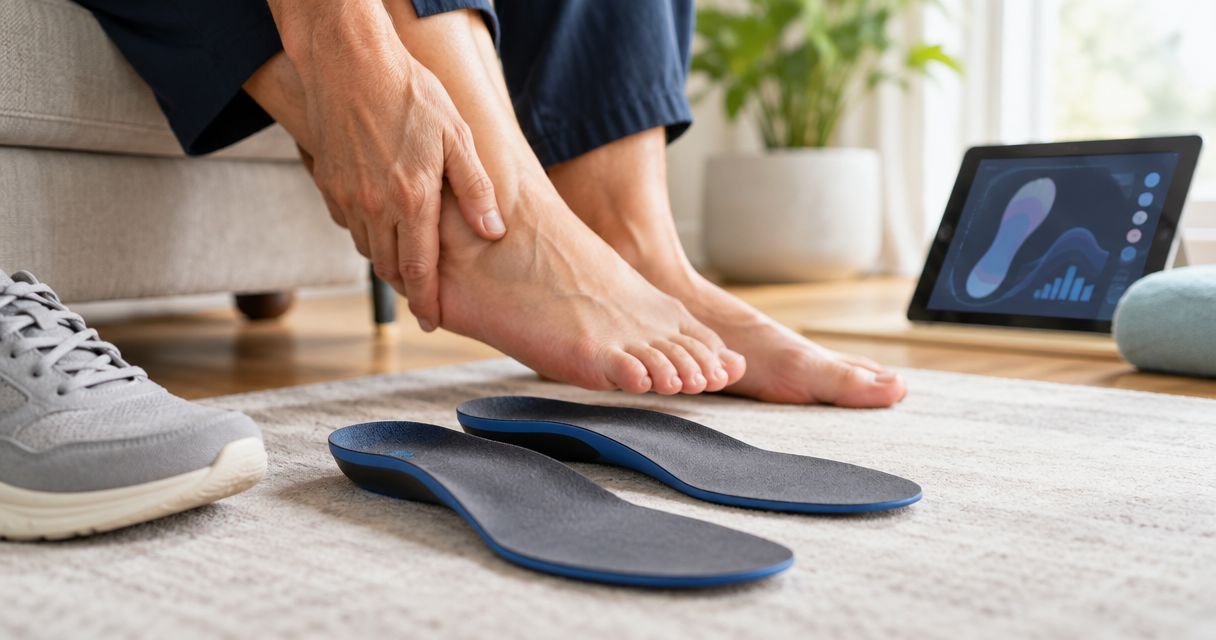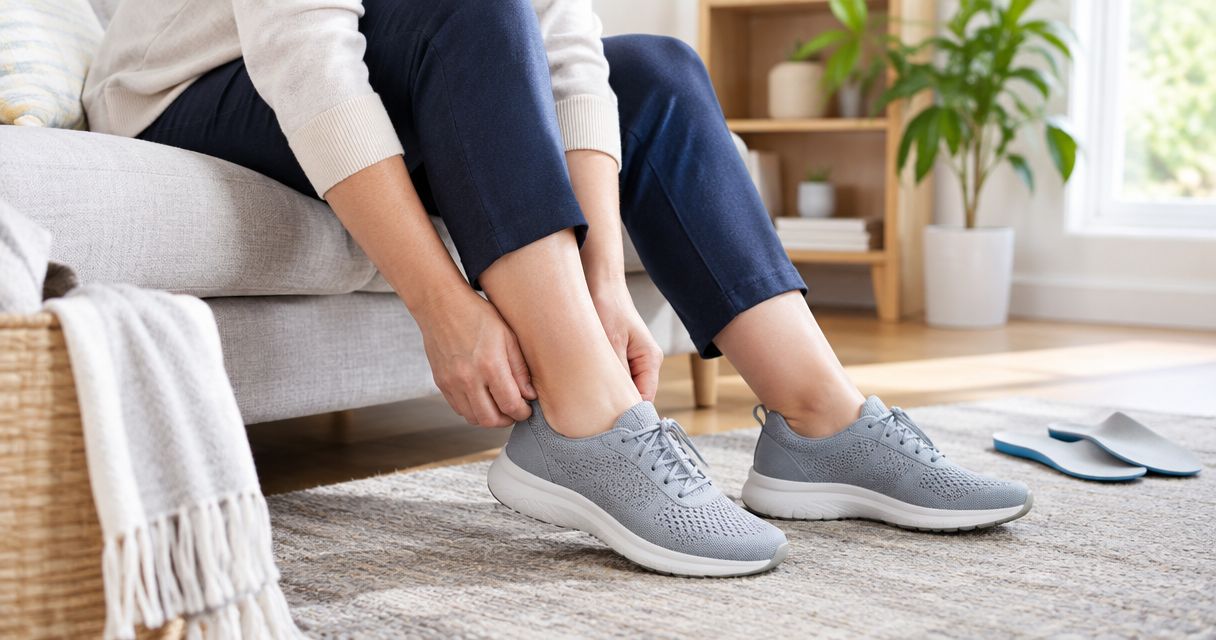
The best shoes for diabetic foot ulcers are usually not ordinary shoes while a wound is open: a clinician-prescribed offloading device takes pressure off the wound during healing. This 2026 guide compares those devices with protective footwear for after healing, so you can seek the right care rather than buy a shoe that leaves the ulcer under pressure.
- The best shoes for diabetic foot ulcers depend on whether the wound is open or healed.
- Nonremovable knee-high offloading is first choice for eligible neuropathic plantar forefoot or midfoot ulcers.
- Removable devices need a prescribed wearing plan; ordinary sneakers do not replace ulcer treatment.
- Achilles Foot and Ankle Center offers diabetic foot care for patients who need an evaluation.
Why this matters
A diabetic foot ulcer is an open sore. Nerve damage can reduce your ability to feel rubbing or pressure, so a shoe that feels comfortable can still injure your skin. Poor circulation and infection also affect treatment decisions.
An open wound needs prompt medical assessment, not a trial of new shoes. Achilles Foot and Ankle Center provides diabetic foot care in the Richmond area. If you are seeking care around Mechanicsville or West End, ask for an evaluation that addresses the wound, circulation, sensation, and pressure together.
The key distinction in this 2026 guide is healing versus prevention. Offloading devices protect an active wound from mechanical stress; therapeutic shoes help manage pressure after healing. Neither replaces wound care, infection treatment, or a circulation assessment when needed.
What makes the best footwear for a diabetic foot ulcer?
Choose according to the wound and your examination—not a brand name or a soft-feeling insole.
- Wound location: A sore under the forefoot requires a different pressure-relief plan from a sore on a toe or the back of the heel.
- Healing stage: Open ulcers and healed ulcers need different footwear strategies.
- Pressure relief: The device must reduce stress at the actual wound site, not simply cushion the whole foot.
- Safe fit: Swelling, dressings, foot shape, and skin fragility all affect fit.
- Consistent use: A removable device cannot protect your wound during steps taken without it.
- Medical suitability: Infection, reduced blood flow, balance, and the need to inspect the wound influence the prescription.
Diabetic ulcer footwear at a glance
These options are ranked by their role in care, not as interchangeable purchases. The first recommendation applies specifically to eligible ulcers under the forefoot or midfoot associated with loss of protective sensation.
| Option | Best for | Main benefit | Key limitation |
|---|---|---|---|
| Nonremovable knee-high offloading device | Eligible neuropathic plantar forefoot or midfoot ulcers | Reduces pressure and limits unprotected walking | Requires clinical application, monitoring, and appropriate patient selection |
| Removable knee-high offloading device | Patients unable to use nonremovable knee-high treatment | Allows removal when directed for wound care | Protection depends on wearing it as prescribed |
| Removable ankle-high offloading device | Selected patients unable to use knee-high devices | Provides an alternative pressure-relief approach | Not the default substitute for knee-high treatment |
| Custom-molded therapeutic footwear | Healed ulcers with foot shape that cannot fit suitable ready-made footwear | Accommodates complex shape and prescribed inserts | Not a stand-alone treatment for an open plantar ulcer |
| Extra-depth therapeutic shoes with prescribed inserts | Healed ulcers when ready-made footwear fits appropriately | Provides room for pressure-managing inserts | Extra depth alone does not prove adequate pressure relief |
1. Nonremovable knee-high device: best for eligible plantar ulcers
A nonremovable knee-high offloading device includes a total contact cast or a knee-high walker made nonremovable by a clinician. It redistributes pressure and limits the opportunity to walk without protection. This is a medical treatment, not a shoe to select yourself.
International Working Group on the Diabetic Foot guidance recommends this approach first for eligible neuropathic plantar forefoot or midfoot ulcers. “Plantar” means the bottom of your foot; “neuropathic” means nerve damage contributes to the problem.
Nonremovable knee-high device pros:
- Reduces mechanical stress at the ulcer site.
- Keeps protection in place during weight-bearing activity.
- Avoids relying on remembering to put the device back on.
Nonremovable knee-high device cons:
- Requires professional application and follow-up.
- Restricts access for wound inspection between visits.
- Is not appropriate for every infection, circulation problem, or mobility situation.
Best for: A clinically assessed plantar forefoot or midfoot ulcer when nonremovable treatment is appropriate. Toe wounds, heel wounds, and infected wounds require their own assessment rather than automatic application of this recommendation.
Verdict: Choose only when prescribed; do not substitute a retail walking boot.
2. Removable knee-high device: best when nonremovable care is unsuitable
A removable knee-high offloading device is a medical walker selected and fitted to reduce stress on the ulcer. Your clinician can consider it when nonremovable treatment is contraindicated or not tolerated. The wound dressing and pressure-relieving interface are part of the fit.
Removal makes wound access easier, but it also creates an important limitation: walking without the device exposes the wound to pressure again. Ask exactly when removal is allowed and what to wear for bathroom trips or nighttime walking.
Removable knee-high device pros:
- Allows access for prescribed dressing changes.
- Provides a knee-high alternative when nonremovable care is unsuitable.
- Can be adjusted within a clinician-directed treatment plan.
Removable knee-high device cons:
- Depends on consistent use during weight-bearing activity.
- Can affect balance and walking mechanics.
- Requires reassessment if swelling or fit changes.
Best for: Patients who need knee-high offloading but cannot use a nonremovable device safely or tolerate it.
Verdict: Choose when prescribed, and follow the wearing instructions for every weight-bearing activity.
3. Removable ankle-high device: best for selected knee-high intolerance
An ankle-high offloading device is another clinician-selected option when knee-high devices are contraindicated or not tolerated. It is not equivalent to buying a padded postoperative shoe. The design must match the ulcer location and pressure pattern.
A smaller device does not automatically mean a safer device. Your clinician still needs to assess stability, wound loading, and how you walk in it.
Removable ankle-high device pros:
- Offers an alternative when knee-high treatment cannot be used.
- Allows wound access when directed.
- Can accommodate an individualized pressure-relieving interface.
Removable ankle-high device cons:
- Is not the first-choice approach for eligible plantar forefoot or midfoot ulcers.
- Still depends on consistent use.
- Does not suit every wound location or foot shape.
Best for: Selected patients whose examination supports ankle-high treatment after knee-high options have been considered.
Verdict: Hold until your clinician confirms that the device adequately offloads your wound.
4. Custom-molded therapeutic footwear: best for complex shape after healing
Custom-molded therapeutic footwear is made to accommodate a foot that cannot be fitted appropriately in suitable ready-made footwear. After an ulcer heals, deformity or a previous partial-foot amputation can make this distinction important. The footwear and insert work together.
For this 2026 comparison, custom footwear belongs in the prevention-after-healing category. A custom label does not make an ordinary shoe an appropriate replacement for active-ulcer offloading.
Custom-molded therapeutic footwear pros:
- Accommodates foot shapes that ready-made shoes cannot fit adequately.
- Allows individualized consideration of pressure-prone areas.
- Supports a longer-term footwear plan after healing.
Custom-molded therapeutic footwear cons:
- Requires specialist fitting and reassessment.
- Can need adjustment as your foot or activity changes.
- Does not eliminate the need for daily skin checks.
Best for: A healed ulcer with complex foot shape that prevents safe fitting in ready-made therapeutic shoes.
Verdict: Choose after assessment when ready-made footwear cannot provide an appropriate fit.
5. Extra-depth therapeutic shoes: best for suitable feet after healing
Extra-depth therapeutic shoes provide additional room for prescribed inserts and foot accommodation. They are an option after healing when your foot fits appropriately in ready-made footwear. For a previous plantar ulcer, pressure relief at the former ulcer site matters more than a “diabetic shoe” label.
Do not assume a wide sneaker offers the same function. Width, depth, fastening, interior construction, and the insert must work together without creating new pressure points.
Extra-depth therapeutic shoe pros:
- Provides space for prescribed inserts.
- Offers ready-made options when your foot shape permits.
- Supports a protective everyday footwear plan after healing.
Extra-depth therapeutic shoe cons:
- Does not treat an open plantar ulcer by itself.
- Can still rub if the size, shape, or insert is wrong.
- Requires follow-up rather than relying on initial comfort alone.
Best for: A healed ulcer when ready-made therapeutic footwear and appropriate inserts fit safely.
Verdict: Choose after healing and fitting approval; skip ordinary sneakers as an active-ulcer treatment.
How these recommendations are ranked
The ranking follows the distinction in International Working Group on the Diabetic Foot offloading and prevention guidance: treat an active ulcer with appropriate pressure relief, then plan protective footwear after healing. It does not rank retail brands or claim hands-on product testing.
The 2026 decision remains clinical: wound location, infection, circulation, mobility, fit, and ability to follow the plan determine the appropriate option. A device recommended for an uncomplicated plantar ulcer is not automatically right for an infected toe wound.
What to do before buying anything
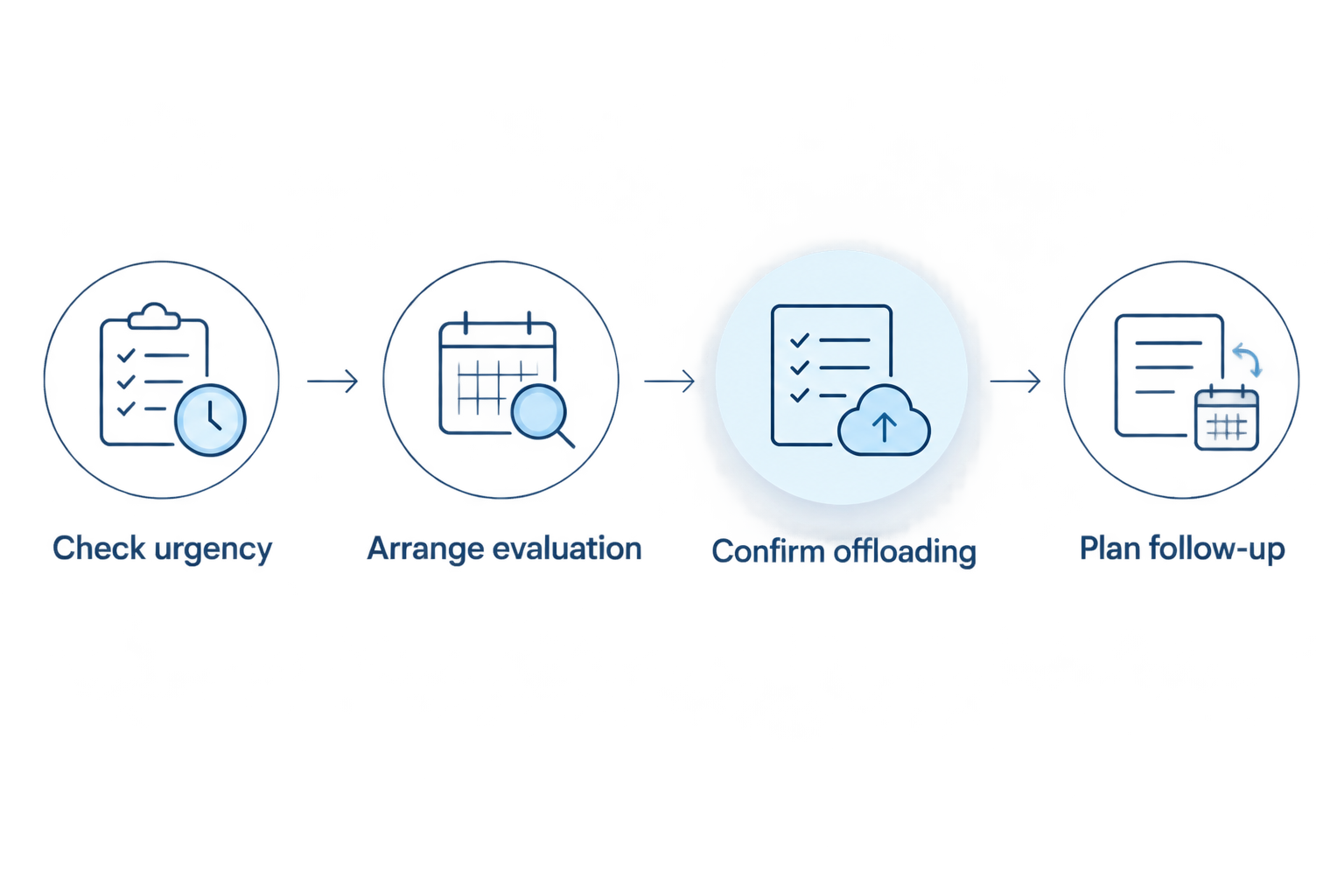
Start with these steps rather than ordering a larger shoe to fit over a dressing:
- Check urgency: Report a new open sore promptly. Do not wait for pain.
- Arrange evaluation: Ask for wound, circulation, nerve, and pressure assessment.
- Confirm offloading: Get instructions for walking, standing, and device removal.
- Plan follow-up: Know when the wound and device fit need reassessment.
Bring your current footwear, inserts, and any prescribed device to the appointment. Explain where you walk, how long you stand, and whether stairs or balance problems make the device difficult to use. These details help your clinician create instructions you can follow.
Achilles Foot and Ankle Center is an option for Richmond-area patients seeking diabetic foot care and a wound evaluation. Patients around Mechanicsville and West End should describe an open wound when requesting care so the practice can advise on appropriate timing.
Arrange a diabetic foot evaluation
Ask about an open wound, pressure relief, and the next step in your care.
Know when shoes are not the immediate concern
Spreading redness, warmth, swelling, drainage, or a new odor needs urgent medical advice. Fever, feeling very unwell, rapidly worsening changes, or blackened tissue warrants emergency assessment. A suddenly cold, pale, or blue foot also needs emergency care.
Pain is not a reliable warning system when you have reduced sensation. Read about when a diabetic foot ulcer is a medical emergency, but do not delay care to finish researching footwear.
Which option should you choose?
For an open ulcer, choose an evaluation before choosing shoes. If you have an eligible neuropathic plantar forefoot or midfoot ulcer, a nonremovable knee-high device is the first-choice offloading approach; alternatives depend on your examination.
For a healed ulcer, ask whether extra-depth therapeutic shoes are sufficient or whether your foot shape requires custom-molded footwear. Your 2026 prevention plan should include pressure management, regular follow-up, and checking both feet every day—not simply replacing your shoes.
FAQ
What are the best shoes for diabetic foot ulcers in 2026?
For an open diabetic foot ulcer, a prescribed offloading device is generally more appropriate than an ordinary shoe. Nonremovable knee-high offloading is first choice for eligible neuropathic plantar forefoot or midfoot ulcers; other wounds need an individualized assessment.
Can I wear sneakers over a diabetic foot ulcer dressing?
Do not assume sneakers are safe over an ulcer dressing. A dressing protects the wound surface but does not reliably remove pressure, and the added bulk can make the shoe rub.
Is a walking boot better than diabetic shoes for an open ulcer?
A properly prescribed offloading walker can be more appropriate than therapeutic shoes for an active plantar ulcer. A retail boot is not automatically suitable, and your clinician must assess the wound and fit.
Can I keep walking if my foot ulcer does not hurt?
Lack of pain does not mean walking is safe. Diabetic nerve damage can reduce sensation, so follow your clinician’s weight-bearing and offloading instructions.
Do I still need special shoes after a diabetic ulcer heals?
Protective therapeutic footwear is often part of care after a diabetic foot ulcer heals. Your clinician should select footwear and inserts according to your previous wound location, foot shape, and pressure risk.
Should I buy a bigger shoe to fit my wound dressing?
Do not size up on your own as a substitute for wound assessment. An oversized shoe can allow slipping and rubbing, while the wound still needs appropriate pressure relief.
Where can I seek diabetic foot care near Mechanicsville or West End?
Achilles Foot and Ankle Center provides diabetic foot care in the Richmond area. If you are near Mechanicsville or West End, contact the practice for evaluation guidance and describe any open wound or signs of infection.
One last thing
A healed wound is not the same as a pressure problem solved. Before returning to everyday footwear, ask your clinician to identify what caused the ulcer and how your next shoe-and-insert combination addresses that specific area. Keep the offloading plan in place until your treating clinician changes it.
Related guides
- Diabetic foot exams and endocrinologist visits
- Home diabetic wound care to office treatment
- Can diabetic foot ulcers recur after healing?