The most common answer to what causes pain in the heel of your foot is plantar fasciitis, an irritated band of tissue under the foot. Where the pain sits narrows the list quickly. Stabbing pain under the heel on your first morning steps points to plantar fasciitis. Pain and swelling at the back of the heel point to Achilles tendinitis or bursitis. Sharp pain that worsens with every step suggests a stress fracture. Burning or tingling that runs toward the inner ankle suggests a pinched nerve.
Heel pain is easy to wave off because it often starts mildly. Left alone, it can force you to change how you walk, and that strains your knees, hips and back. The foot makes no difference to the cause. Pain in the heel of your left foot has the same candidates as pain in the right. Pain in only one foot usually means a local problem, such as overuse, an injury or a structural issue. This article covers five causes, and each one explains how it feels, why it happens and what to do next.
At Achilles Foot and Ankle Center, our podiatrists in the Richmond area diagnose and treat all five. This guide is not a substitute for an exam. It helps you work out which cause fits your symptoms and how long it is reasonable to wait before getting help.
1. Plantar fasciitis
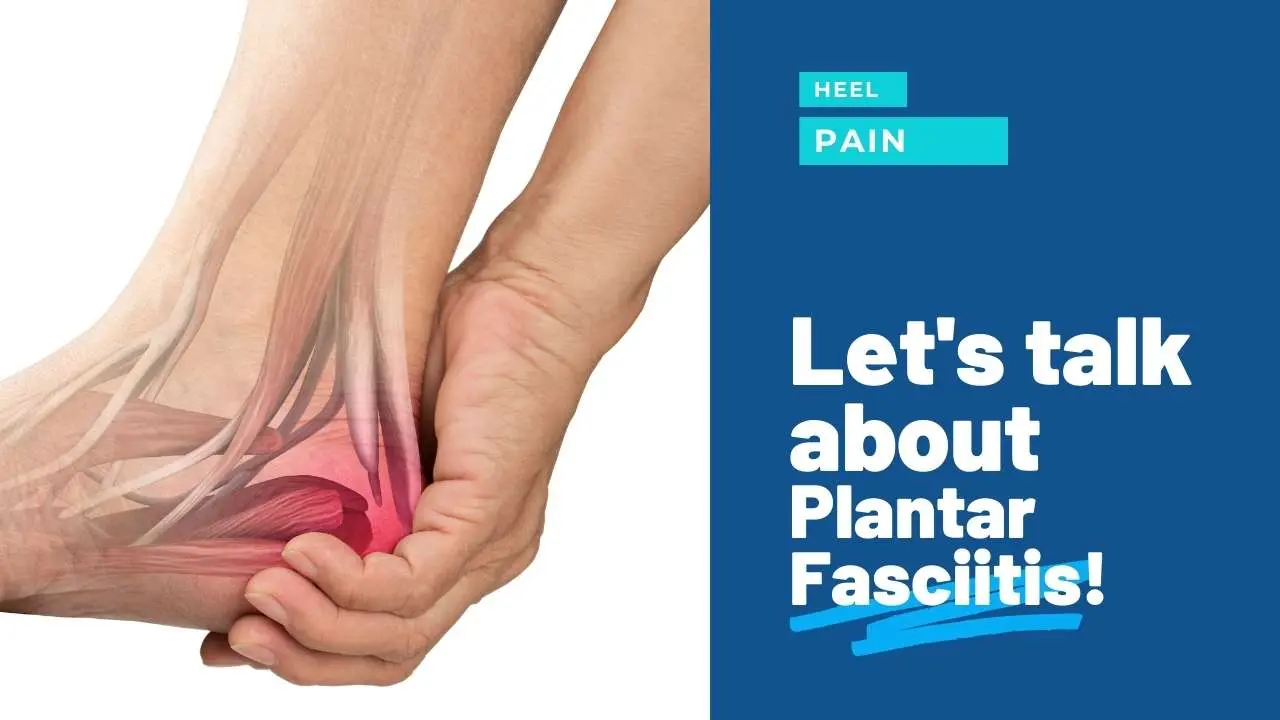
Plantar fasciitis is the leading cause of heel pain. It is an irritation of the thick band of tissue along the bottom of your foot.
How it feels
Expect a sharp, stabbing pain under the heel, close to the arch. It is usually worst with your first steps after waking or after a long period of sitting. It often eases as you warm up, then returns after long stretches of standing.
Why it happens
The plantar fascia connects your heel bone to your toes, supports the arch and absorbs shock. Too much tension causes tiny tears, and repeated tearing leads to irritation and inflammation. These factors raise your risk:
- Age between 40 and 60
- Running, jumping and high-impact workouts
- Flat feet, high arches or an unusual walking pattern
- Worn-out shoes or shoes that suit the wrong activity
- Extra body weight
- Long hours on hard floors
Chronic plantar fasciitis can also form a heel spur, a bony growth. Spurs are usually painless, so the fascia is normally the real source of pain.
What helps and when to get help
Start with calf and arch stretching, supportive shoes, ice and an over-the-counter insert. Conservative care works well here, and surgery is rarely needed. If the pain has not improved after a few weeks, have a podiatrist look at it.
Heel pain that bites hardest on your first steps of the day is plantar fasciitis until proven otherwise.
2. Achilles tendinitis
Achilles tendinitis causes pain behind the heel, and it is the usual suspect when the pain comes with swelling.

How it feels
You feel pain, stiffness and swelling at the back of the heel, often reaching up into the lower calf. It tends to hurt most when you start activity. Swelling can spread around the ankle, which is why this cause shows up in searches for heel pain with ankle swelling.
Why it happens
The Achilles tendon joins your calf muscle to your heel bone. It is the longest and strongest tendon in the body, but it is vulnerable to overuse. Runners and basketball players are most prone, especially after a sudden jump in mileage or intensity. It is an overuse injury, so the cause is usually a training or footwear pattern rather than one bad step.
What helps and when to get help
Rest from the aggravating activity, ice the tendon and stretch the calf gently. Our podiatrists may add splinting, immobilization, custom orthotics, physical therapy or anti-inflammatory medication. Untreated, the tendon can break down and eventually tear. A sudden pop or sharp pain at the back of the ankle needs same-day attention.
Pain and swelling at the back of the heel, not under it, usually means the Achilles tendon is the problem.
3. Heel bursitis and Haglund’s deformity
Bursitis and Haglund’s deformity are the next suspects when the pain sits at the back of the heel and shoes make it worse.

How it feels
Heel bursitis gives a tender, bruise-like ache at the back of the heel. You may also see redness and swelling on the outer side of the heel and ankle. Haglund’s deformity adds a hard bump at the back of the heel, often called a pump bump. The bump rubs against shoes and can cause blisters.
Why it happens
Bursae are small fluid-filled sacs that cushion the heel. They swell after long periods on your feet or from repeated friction. Stiff or high-backed shoes, and pumps in particular, press on the bump and keep the irritation going. In active children between 8 and 14, back-of-heel pain is often Sever’s disease, which is irritation of the growth plate.
What helps and when to get help
Rest, ice and anti-inflammatory medication ease the swelling. Heel cups or padding, roomier shoes and physical therapy to stretch the Achilles also help. Some patients need a walking boot. If a bump or swelling persists after you have changed your shoes, get it evaluated. Surgery to remove inflamed tissue and bone is reserved for symptoms that stay severe.
If your heel hurts only where the shoe rubs, look at your shoes before anything else.
4. Stress fracture or bone bruise
A stress fracture or bone bruise should be your first thought when the pain is sharp, sudden and gets worse with weight.

How it feels
A stress fracture can hurt along the bottom, side and back of the heel, and the pain grows the longer you stay on your feet. A bone bruise feels tender when you walk, and sometimes at rest. You may see no discoloration at all, so a normal-looking heel does not rule either one out.
Why it happens
Stress fractures are tiny hairline cracks in the bone from repetitive force. They appear when training volume jumps or the bone is not given time to recover. A bruise usually follows stepping hard on a sharp or rigid object. That bruises the fat pad that cushions your heel.
What helps and when to get help
Stop impact activity and do not try to run through it. Ice can be used as often as four times a day. Because a fracture needs an image to confirm, book an exam if the pain is sharp and weight-bearing hurts. We take X-rays in our office and plan a gradual return to activity.
Sharp heel pain that grows with every step is a reason to stop and get an X-ray.
5. Tarsal tunnel syndrome and nerve pain
Nerve problems are the cause people forget. They are the likely answer when heel pain feels more burning or tingling than aching.

How it feels
Tarsal tunnel syndrome often shows as burning, tingling or numbness along the inner ankle that spreads into the heel and sole. This is why some people search for causes of pain in the heel and ankle together. The sensation is electric rather than dull.
Why it happens
The posterior tibial nerve passes through a narrow channel on the inner edge of the ankle. When the tunnel is squeezed, the nerve becomes compressed and irritated. Diabetic neuropathy can also cause burning or tingling in the feet. If you have diabetes, tell your podiatrist about any new sensation.
What helps and when to get help
Diagnosis often includes nerve function tests. Nonsurgical treatment includes a cast or brace, anti-inflammatory medication, injections, orthotic devices, bracing and physical therapy. Because stretching alone rarely fixes a pinched nerve, do not wait it out. Numbness or tingling that comes back is worth a visit.
Burning or tingling in the heel points to a nerve, and a nerve needs a proper diagnosis.
Getting your heel checked
Heel pain has five common causes. Plantar fasciitis hurts under the heel and Achilles tendinitis hurts behind it. Bursitis and Haglund’s deformity are tied to shoe pressure, stress fractures cause sharp pain that worsens with weight, and nerve compression feels like burning or tingling. Most respond to conservative care, and the sooner you start, the quicker you recover.
See a podiatrist if the pain has not improved in a few weeks, if it makes walking hard, or if swelling is severe. We try to make room for urgent problems, though same-day slots are not guaranteed. You can book a same-day appointment online, or call 1-804-273-1717 and we will work out what is behind your heel pain.