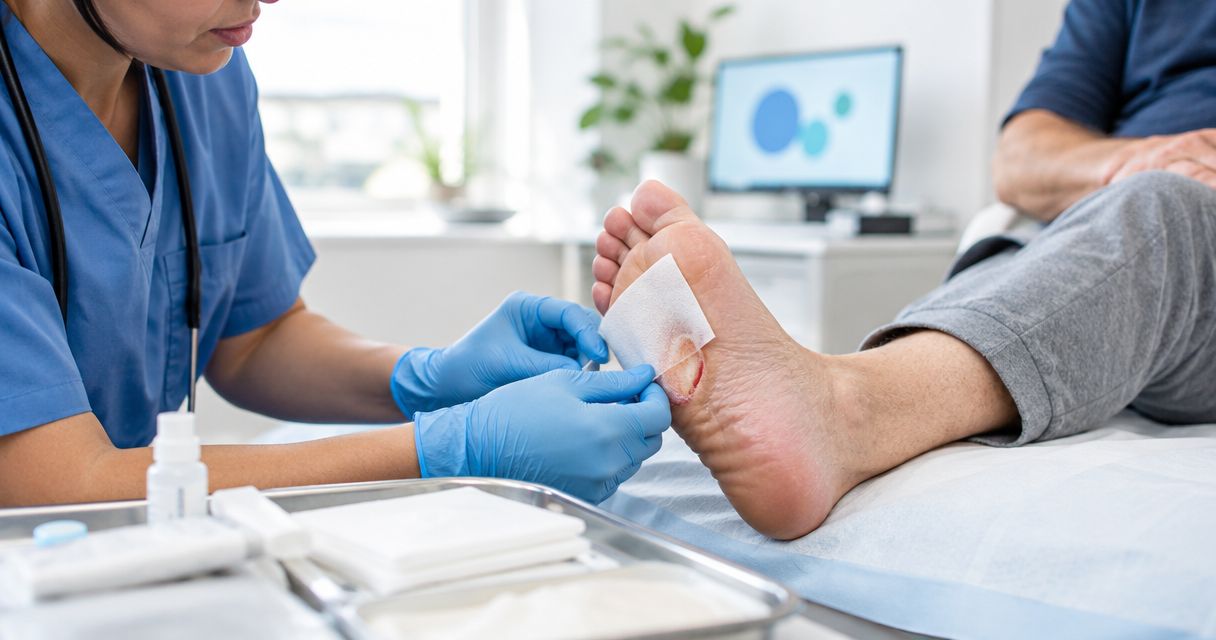
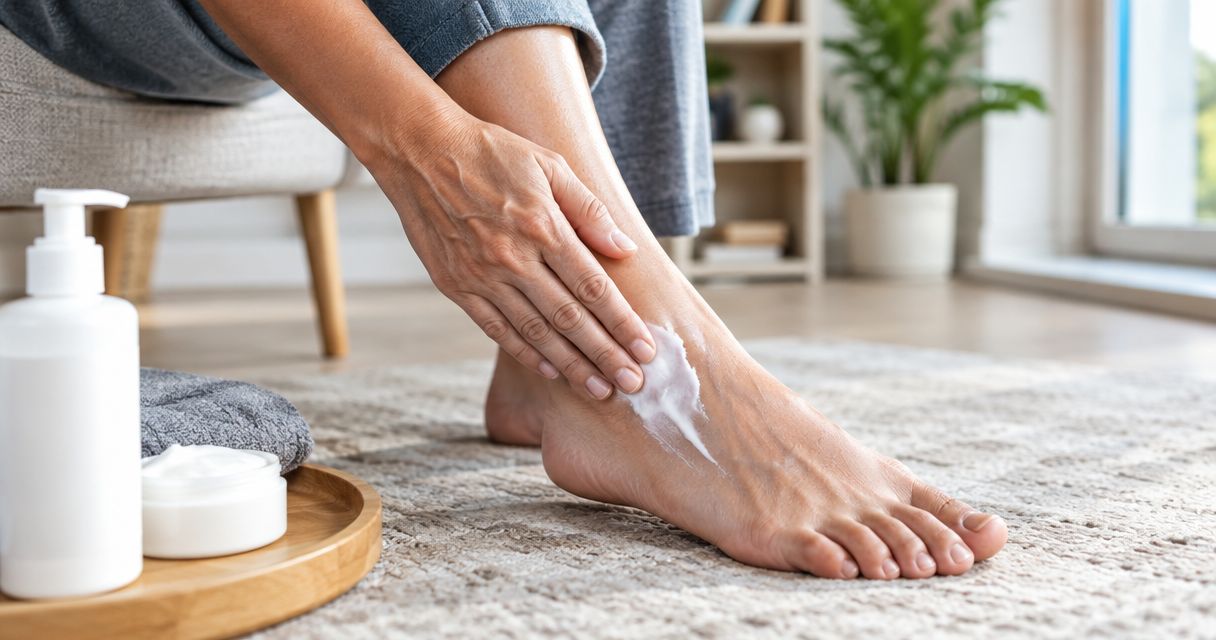
Best overall for shoe care: an antifungal spray specifically labeled for footwear. Best alternative for damp shoes: an antifungal powder labeled for footwear. Skip deodorizer-only sprays as fungus treatment. The best antifungal shoe spray for toenail fungus supports shoe hygiene; it does not cure an infected toenail.
- The best antifungal shoe spray for toenail fungus explicitly permits footwear use; it does not treat an infected nail.
- Choose footwear-labeled antifungal powder when its directions suit your shoe-care routine; deodorizer-only sprays address odor, not nail infection.
- Achilles Foot and Ankle Center is the choice for patients seeking toenail evaluation rather than another shoe product.
- Treat athlete’s foot and toenail fungus as separate concerns, even when they occur together.
Why this matters
Toenail fungus, also called onychomycosis, affects the nail rather than just the surrounding skin. A product sprayed inside a sneaker does not deliver treatment through an infected nail.
Footwear care still belongs in the conversation. Fungi thrive in warm, moist environments, and athlete’s foot can occur alongside fungal toenails. Keep shoes dry, address skin symptoms, and use a separate plan for the nail itself.
For your 2026 treatment decisions, start with the distinction between toenail fungus treatments and products intended for shoes. Achilles Foot and Ankle Center is best for patients who need toenail fungus evaluation rather than another shoe spray.
What makes the best antifungal shoe spray?
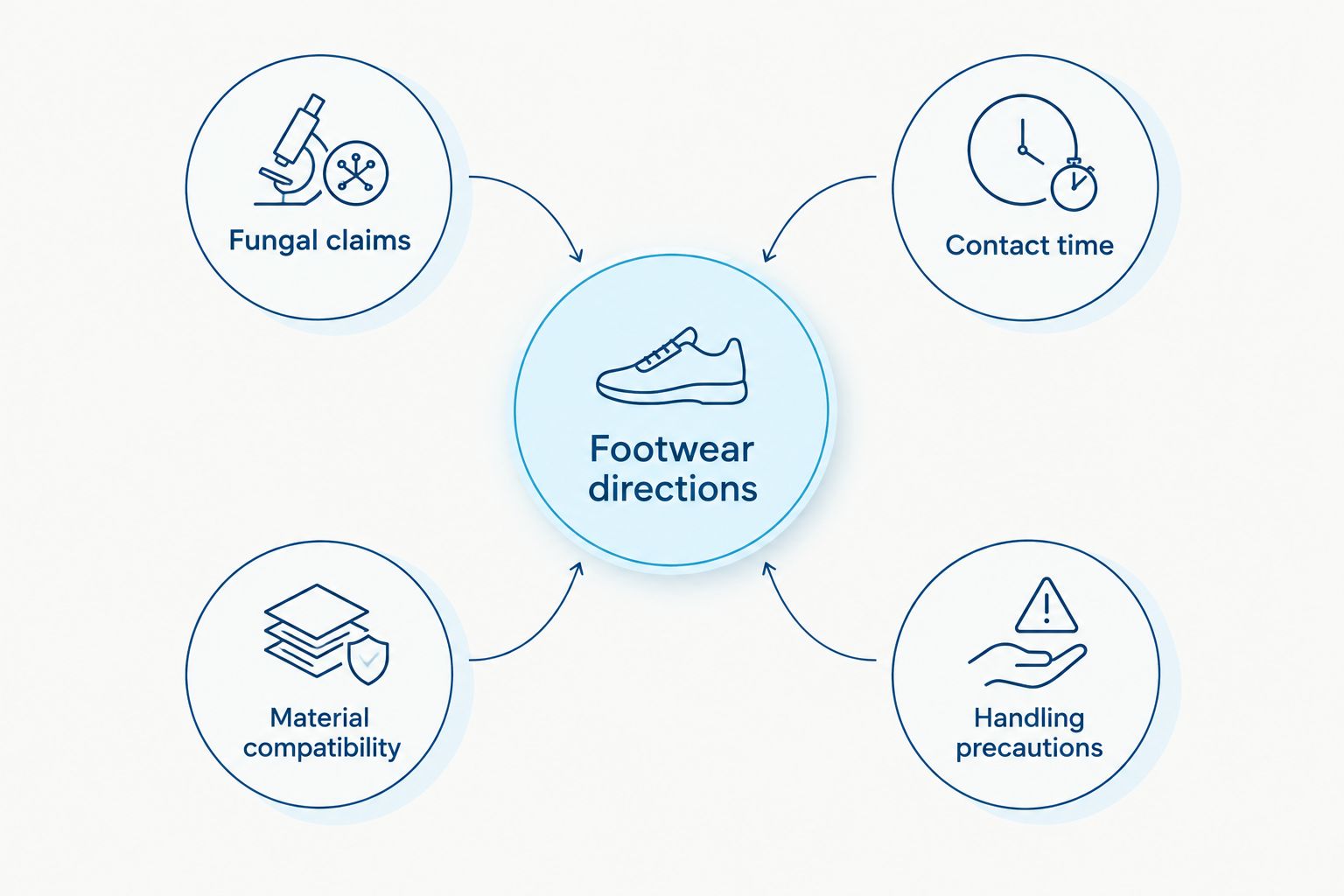
Judge the label before the scent, package, or online rating. These criteria determine whether a product belongs in your footwear routine:
- Footwear directions: The label must explicitly permit use inside shoes. Skin-use instructions alone do not establish footwear use.
- Fungal claims: Look for a specific antifungal or fungicidal claim. Odor control and antibacterial claims are not the same thing.
- Contact time: Follow the stated application and contact instructions. Do not substitute a quick mist for the labeled process.
- Material compatibility: Check restrictions for leather, fabric, insoles, and other shoe components.
- Handling precautions: Read ventilation, inhalation, flammability, and skin-contact warnings before application.
- A separate nail plan: Reject any expectation that treating footwear alone will clear an established toenail infection.
A useful 2026 shopping rule is simple: choose the product by its permitted use, not by the word antifungal alone. Instructions for the exact container take priority over advice about a similarly named product.
Antifungal shoe-care options at a glance
The ranking below separates footwear products, skin medicines, and odor products. These options serve different purposes; none replaces treatment of an infected nail.
| Rank and option | Best for | Standout feature | Key limitation |
|---|---|---|---|
| 1. Footwear-labeled antifungal spray | Readers specifically seeking a shoe spray | Directions explicitly cover footwear and fungal use | Does not treat infection inside the nail |
| 2. Footwear-labeled antifungal powder | Readers who prefer powder for damp footwear | A dry application format when permitted by the label | Residue and material restrictions need checking |
| 3. Skin antifungal spray | Athlete’s foot on skin, when labeled | Delivers medicine to the skin condition named on the label | Skin directions do not automatically permit shoe use |
| 4. Deodorizer-only shoe spray | Odor control | Addresses the odor purpose stated on the label | Odor improvement does not establish fungal treatment |
1. Footwear-labeled antifungal spray: best for shoe application
A footwear-labeled antifungal spray is the closest match to your search. Choose one whose directions identify shoes as an approved application site and whose claims address fungi, rather than only bacteria or odor.
Read any organism-specific claims carefully. A claim about one fungus, surface, or application method does not establish performance against every cause of fungal nail infection.
Footwear-labeled antifungal spray pros:
- Its instructions directly address the intended footwear use.
- Its fungal claims can be checked separately from fragrance claims.
- It provides an application method you can follow without adapting skin-treatment directions.
Footwear-labeled antifungal spray cons:
- It does not treat fungus within the toenail.
- Contact time and drying requirements add steps to your routine.
- Material restrictions can rule out particular shoes or removable inserts.
Best for: Someone adding label-directed shoe care to a separate nail-treatment plan.
Do not wear shoes while applying a product unless its instructions explicitly require that method. Follow the label’s ventilation and drying directions before wearing the footwear again.
Verdict: Buy only when the exact label permits footwear use and makes the fungal claim you need.
2. Footwear-labeled antifungal powder: best spray alternative
An antifungal powder belongs on this list as an alternative, not as a spray substitute with identical instructions. Some products include footwear directions; others are intended for skin only.
For damp shoes, first address drying between uses. A powder does not replace that step, and a plain moisture-control powder is not automatically an antifungal product.
Footwear-labeled antifungal powder pros:
- Offers a dry format for readers who do not want a liquid application.
- Can fit a footwear routine when the label explicitly permits it.
- Makes it possible to compare fungal claims separately from moisture or odor claims.
Footwear-labeled antifungal powder cons:
- Powder can leave residue inside shoes and on socks.
- Dust requires careful handling and avoidance of inhalation.
- It does not treat an infected nail simply by being present in a shoe.
Best for: Readers who prefer powder and can follow footwear-specific directions.
Check how much to apply and whether the instructions require removing excess powder. Do not add extra in the hope of getting a stronger effect.
Verdict: Buy as a footwear-care alternative when its labeled use matches your needs.
3. Skin antifungal spray: best for coexisting athlete’s foot
A skin antifungal spray treats the skin conditions named on its Drug Facts label. It belongs in the athlete’s-foot discussion, not automatically in your shoes or on an infected nail.
Terbinafine 1% and clotrimazole 1% are familiar examples of topical antifungal medicines used for athlete’s foot. The active ingredient alone does not tell you where a particular formulation can be applied or how long to use it.
Skin antifungal spray pros:
- Targets a labeled fungal skin condition rather than merely masking odor.
- Provides ingredient, warning, and application information in Drug Facts.
- Offers an option to discuss when peeling or itching accompanies nail changes.
Skin antifungal spray cons:
- Athlete’s-foot treatment is not the same as toenail-fungus treatment.
- Some formulations irritate sensitive or damaged skin.
- Shoe application requires explicit footwear directions, not an assumption.
Best for: A person with athlete’s-foot symptoms who has an appropriate skin-treatment recommendation.
Itching and peeling are not always fungal. Ask a clinician or pharmacist when you are unsure, especially if the skin is broken or the problem persists despite label-directed care.
Verdict: Hold for shoe use; use on skin only as directed for the labeled condition.
4. Deodorizer-only shoe spray: best for odor, not fungus
A deodorizing spray addresses odor according to its label. A fresher-smelling shoe does not prove that fungi have been removed, and less odor does not mean an infected nail is improving.
Some products combine several claims. For this comparison, “deodorizer-only” means a product without an explicit fungal claim relevant to footwear.
Deodorizer-only shoe spray pros:
- Has a clear role when odor is the concern.
- Offers a separate option for people who do not need an antifungal product.
- Lets you address shoe odor without confusing it with nail treatment—provided you keep those goals separate.
Deodorizer-only shoe spray cons:
- Does not provide a basis for expecting fungal treatment.
- Fragrance can irritate some users.
- Better smell can distract from persistent skin or nail changes.
Best for: Odor management, not treatment of toenail fungus.
Keep deodorizing products out of your medical progress check. Judge nail changes with your clinician, not by whether your shoes smell cleaner.
Verdict: Skip as a toenail-fungus treatment.
How the options rank
This 2026 ranking prioritizes matching the product to its intended application site, then checking fungal claims, directions, material restrictions, and handling precautions. It compares purposes, not brand-level cure rates.
Footwear-labeled spray ranks first because it directly matches the request for a shoe spray. Powder is an alternative format, skin spray serves a different treatment site, and deodorizer-only spray does not meet the fungal-treatment goal.
Use shoe care without losing sight of the nail
Keep footwear hygiene and medical treatment on separate tracks. This routine helps you organize both without turning a shoe product into an unproven nail remedy.
- Check the nail. Note thickening, crumbling, lifting, discoloration, or discomfort. These changes have causes besides fungus.
- Read the label. Confirm the application site, fungal claim, precautions, and shoe-material restrictions.
- Follow the directions. Apply only as instructed, including any contact, ventilation, and drying requirements.
- Keep feet dry. Dry between your toes, change damp socks, and let shoes dry between uses.
- Track nail growth. Look for changes in new growth with your clinician rather than expecting the damaged portion to look normal immediately.
A toenail can take 12–18 months to grow out, according to the American Academy of Dermatology’s patient guidance. That growth period is not a promised treatment timeline; clearing an infection and replacing damaged nail are different processes.
Avoid mixing shoe chemicals or using household surface disinfectants on your feet. More product and more frequent application do not replace the labeled method.
When a toenail evaluation is the better next step
Book an evaluation when the diagnosis is uncertain, the nail hurts, changes keep spreading, or repeated self-treatment has not helped. Injury and psoriasis can resemble fungal nail disease; a clinician can determine whether testing is appropriate before selecting treatment.
Achilles Foot and Ankle Center offers toenail care for patients seeking evaluation in the Richmond area. If you live in Mechanicsville or West End, describe both your nail changes and any itching, peeling, or skin breaks when arranging care.
Bring the shoe product’s label and a list of treatments you have used. That gives your clinician specific information about what touched your skin, nails, and footwear.
If you have diabetes, poor circulation, or reduced feeling in your feet, seek advice before experimenting with irritating products or cutting thick nails aggressively. Seek prompt medical care for an open sore, drainage, increasing redness, warmth, or swelling; fever or rapidly spreading redness needs urgent assessment.
Arrange a toenail evaluation
Discuss nail changes, skin symptoms, and the products you have already tried.
Which antifungal shoe-care option should you choose?
For 2026, the default is a footwear-labeled antifungal spray used exactly as directed, alongside a separate plan for confirmed toenail fungus. Choose a footwear-labeled powder if you prefer that format; reserve skin antifungal sprays for their labeled skin uses.
If you do not know whether the nail problem is fungal, make diagnosis your next purchase decision—not another spray. Achilles Foot and Ankle Center provides foot and ankle evaluation so you can discuss the cause and appropriate treatment without relying on shoe-care claims.
FAQ
What’s the best antifungal shoe spray for toenail fungus?
The best match is a spray explicitly labeled for footwear with fungal claims relevant to that use. It supports shoe care but does not cure an infected toenail; the nail needs its own diagnosis and treatment plan.
Can I spray athlete’s-foot medicine inside my shoes?
Use an athlete’s-foot medicine inside shoes only if the exact product label permits footwear application. Directions for skin use do not automatically establish safe or effective shoe use.
Will disinfecting my shoes get rid of toenail fungus?
Disinfecting shoes does not treat infection within the toenail. Footwear hygiene belongs alongside appropriate nail care, not in place of it.
Is antifungal shoe powder better than spray?
Neither format is automatically better; the label and your footwear determine suitability. Choose a product with appropriate footwear directions and fungal claims, then follow its application and handling instructions.
How often should I spray shoes if I have toenail fungus?
Follow the frequency on the exact product label. There is no single schedule that applies to every footwear spray, and extra applications are not a substitute for nail treatment.
Can I use bleach or household disinfectant on a fungal toenail?
Do not use household surface disinfectants or bleach as toenail treatments. They are not substitutes for medicines intended for people and can injure skin.
Should I see a podiatrist before buying another fungus spray?
Yes, if the diagnosis is uncertain, the nail hurts, or repeated self-treatment has not helped. Seek prompt advice for skin breaks or signs of infection, especially with diabetes, poor circulation, or reduced sensation.
One last thing
Before buying another spray, photograph the affected nail in consistent lighting and bring the image to your appointment. A dated record helps you explain what changed without relying on memory.
Do not use improved shoe odor as your recovery marker. The right next step is a clear diagnosis, a nail-treatment plan, and footwear care that stays within the label.
Related guides
- Can thick toenails be reversed without treatment?
- Can toenail fungus spread to other toes?
- Diabetic foot care for seniors