
Yes, you can get toenail fungus from a pedicure if contaminated tools, footbaths, or surfaces expose your nails to fungi. Small cuts and damage around the nail can make infection easier to develop, but a nail change after a pedicure does not prove the salon caused it. For your 2026 foot-care decisions, the priority is recognizing changes, protecting your skin, and getting the right diagnosis rather than guessing.
- Can you get toenail fungus from a pedicure? Yes, contaminated equipment and damaged skin create opportunities for infection.
- Achilles Foot and Ankle Center evaluates fungal toenails; discoloration alone does not confirm fungus.
- Choose careful instrument cleaning, avoid cuticle cutting, and postpone pedicures when skin is broken.
- Spreading redness, drainage, or increasing pain needs prompt medical attention, especially with diabetes.
Can you get a fungal toenail infection from a pedicure?
A pedicure can expose you to fungi, but exposure does not automatically mean infection. Fungi can spread through contaminated nail-care tools and shared wet environments. Damage from aggressive trimming, filing, or cuticle cutting creates another concern: a weakened protective barrier around the nail.
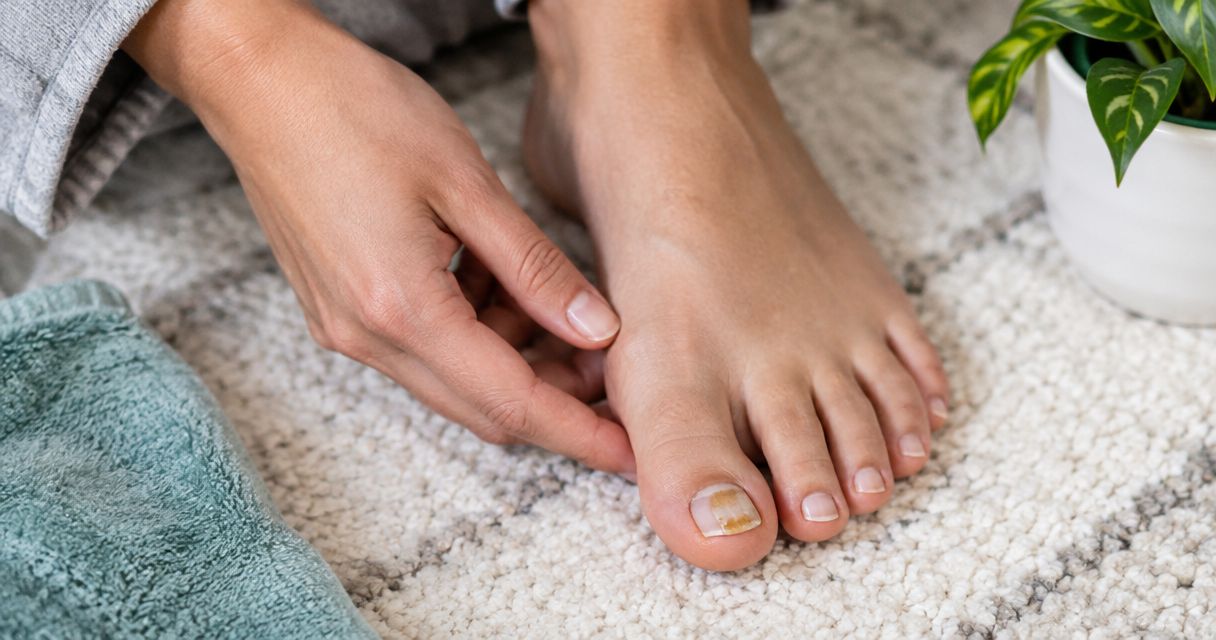
The medical name for fungal nail infection is onychomycosis. It can cause thickening, discoloration, crumbling, or separation of the nail from the skin beneath it. However, injuries and conditions such as psoriasis can cause similar changes, so appearance alone is not enough to choose treatment.
If your nail has changed, start with an examination rather than another cosmetic cover-up. The discussion of toenail fungus treatments explains treatment approaches, but confirming the cause comes first.
| Pedicure situation | What it means for your feet | Practical response |
|---|---|---|
| Instruments are properly cleaned and disinfected | This reduces contamination risk but does not eliminate every source of exposure | Ask how reusable tools are processed between clients |
| A shared footbath is not properly cleaned and disinfected | Contaminated water-contact surfaces can expose skin to microorganisms | Skip the soak if cleaning practices are unclear |
| Cuticles are cut or skin is nicked | The skin barrier is damaged, creating an entry point for infection | Stop any service that causes bleeding or injury |
| A nail is already thick, discolored, or lifting | Fungus is possible, but injury and other nail disorders can look similar | Arrange an evaluation before further cosmetic treatment |
Why this matters
A nail that looks unhealthy does not always hurt. That makes it tempting to hide the change under polish and continue regular pedicures. The problem is that cosmetic care cannot establish whether you have fungus, an injured nail, or another condition requiring different treatment.
The distinction also affects urgency. A slowly changing nail without surrounding inflammation is different from a toe that becomes red, hot, swollen, or draining after a service. Treat signs of skin infection as a medical concern, not simply a bad pedicure.
Why pedicure-related infection risk varies
There is no reliable way to judge safety from a salon's appearance alone. For a 2026 pedicure appointment, focus on what happens to the equipment and your skin rather than whether the room looks tidy.
- Instrument processing: Reusable clippers and other tools need appropriate cleaning and disinfection between clients. A quick wipe does not tell you the full process.
- Footbath cleaning: Shared basins and their components need cleaning and disinfection according to applicable requirements and equipment instructions. A disposable liner does not replace every cleaning step.
- Skin damage: Cutting cuticles, digging into nail corners, and aggressive callus removal can break the skin's protective barrier.
- Existing skin or nail problems: Athlete's foot, cracked skin, or a damaged nail deserves attention before cosmetic work. Athlete's foot and fungal toenails can occur together.
- Your health: Diabetes, poor circulation, reduced sensation, and immune suppression change the precautions you need. Ask your clinician whether salon foot care is appropriate.
These factors explain why the same service is not equally suitable for everyone. They do not establish that any particular salon caused an infection.
How can you tell whether a nail change is fungus?
Look for a pattern rather than a single color change. A fungal nail can become yellowish, whitish, or brownish; it can also thicken, crumble at the edge, collect debris underneath, or lift away from the nail bed. Some affected nails are uncomfortable in shoes, while others cause no pain.
A pedicure-related injury can also change a nail's appearance. So can repeated shoe pressure, psoriasis, and other nail disorders. A clinician examines the nail and surrounding skin and can collect a clipping or scraping for testing when needed.
Do not use the timing of your appointment as the diagnosis. Noticing a damaged nail after polish removal does not establish when the change began. A photograph of the bare nail can help you document changes, but it cannot confirm fungus or identify the source.
A new or changing dark streak, pigment extending onto nearby skin, or unexplained bleeding also deserves medical assessment. Do not assume every unusual nail is fungal.
How do you make your next pedicure safer?
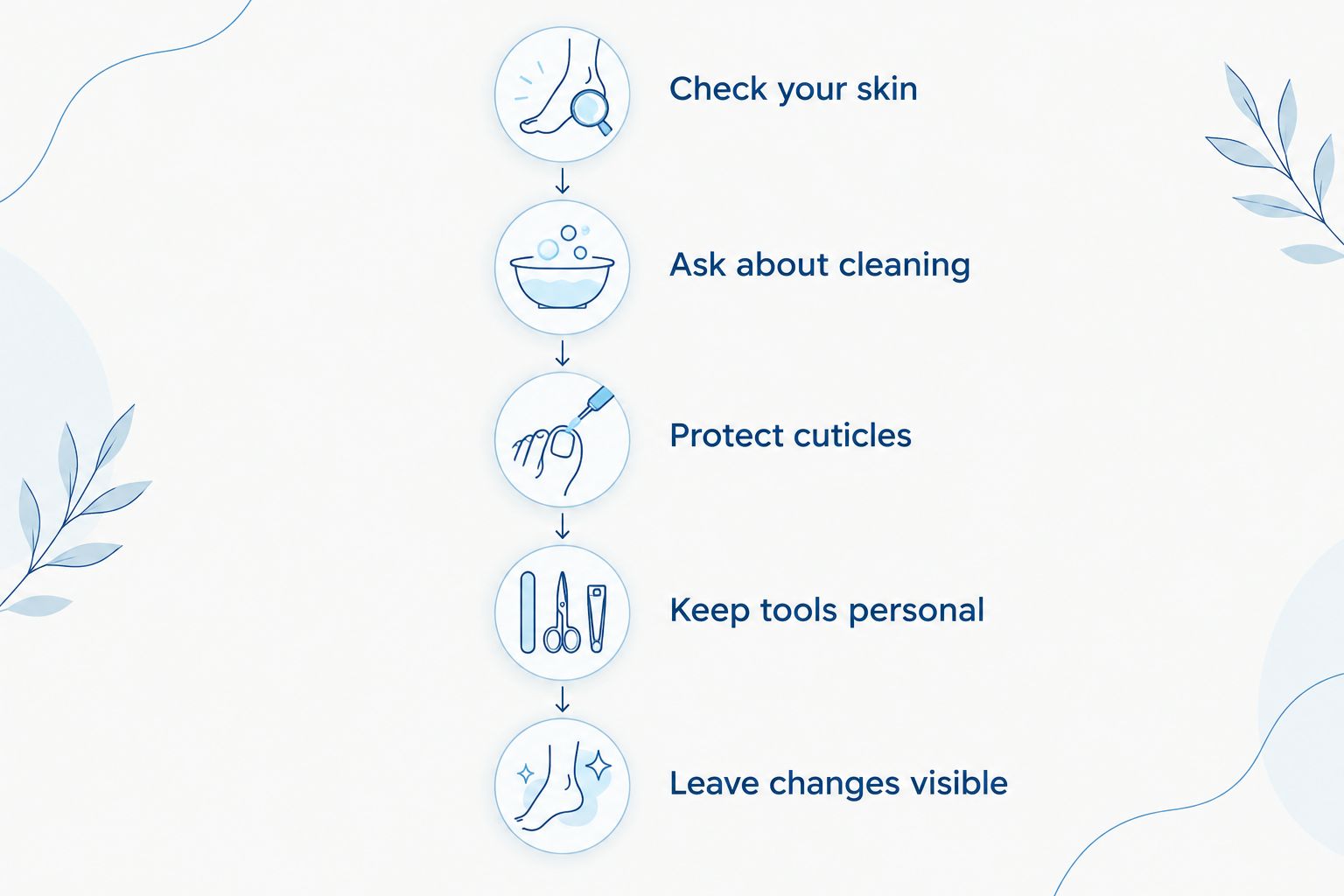
Use this checklist before your next appointment in 2026. The aim is to reduce avoidable exposure and protect your skin—not to promise a risk-free salon visit.
- Check your skin. Postpone the service if you have an open cut, blister, draining area, or inflamed nail fold. Ask a clinician about unexplained changes before covering them.
- Ask about cleaning. Find out how reusable instruments and footbaths are cleaned and disinfected between clients. An unclear answer is a reason to decline the service.
- Protect cuticles. Ask the technician not to cut cuticles or use tools that injure the surrounding skin. Speak up immediately if trimming or filing hurts.
- Keep tools personal. Do not share your home clippers or files. If you bring personal tools to the salon, keep them properly cleaned and ask how they will be handled.
- Leave changes visible. If a nail becomes discolored, thickened, or lifted, pause cosmetic coverage long enough to have it examined. Polish is not treatment.
Bringing your own instruments addresses only part of the situation. It does not control footbath hygiene, shared surfaces, or the technique used on your skin. Likewise, declining a soak does not make aggressive cuticle cutting safe.
What should you do if you suspect an infection afterward?
First, leave the nail and surrounding skin alone. Do not dig beneath the nail, cut away attached tissue, or try to drain a swollen area. Gentle washing and careful drying are reasonable basic care; harsh chemicals and repeated scraping can cause additional injury.
Next, note what changed and when you noticed it. Tell the clinician about pain, drainage, redness, nail lifting, recent injuries, and products you have applied. Mention diabetes, circulation problems, reduced sensation, or medicines that affect your immune system.
Arrange a routine evaluation for persistent thickening, discoloration, crumbling, or separation without acute inflammation. Seek prompt care for increasing pain, warmth, swelling, pus, or spreading redness. Fever or feeling unwell with a worsening foot infection needs urgent medical assessment.
Achilles Foot and Ankle Center provides fungal toenail and diabetic foot care for patients in the Richmond area. An office evaluation can assess the nail and guide treatment, but it cannot necessarily determine where an infection originated.
Does managing sweaty feet help prevent another problem?
Keeping feet dry supports prevention because fungi thrive in warm, moist environments. That makes managing sweaty feet part of everyday foot care, alongside drying between your toes, changing damp socks, and allowing shoes to dry before wearing them again.
Moisture control has limits. It does not disinfect salon instruments, repair a damaged cuticle, or cure an established fungal nail infection. Think of dry-foot habits as a supporting measure rather than a substitute for diagnosis or treatment.
For your 2026 foot-care routine, also check for peeling, itching, or scaling between the toes. Those changes can occur with athlete's foot, which deserves attention even when the nail itself is your main concern. Avoid sharing towels and nail tools, and ask your clinician how to clean personal items appropriately.
What changes if you have diabetes or numb feet?
Diabetes does not make every pedicure injury inevitable, but it changes the consequences of a small injury. Reduced sensation can make a cut harder to notice, while circulation problems can interfere with healing. You need a foot-care plan based on your own examination, not a general salon checklist.
Before booking a service, ask your foot-care clinician whether your nails, skin, circulation, and sensation make salon care appropriate. An active wound, infection, or significant nail problem belongs in a medical setting. Tell the clinician if reaching your feet or trimming your nails safely is difficult.
Check your feet daily if you have diabetes, including between the toes and underneath the foot. Use a mirror or ask someone to help if you cannot see these areas. Do not wait for pain before reporting a wound or an inflamed toe when sensation is reduced.
What happens at a fungal toenail evaluation?
A visit starts with the nail itself and the surrounding foot. Your clinician asks about the changes, examines the skin, and considers other causes before recommending treatment. Testing a nail sample can help distinguish fungus from conditions that look similar.
Treatment decisions depend on the diagnosis, how much nail is involved, your symptoms, and your health history. Prescription nail treatments and oral antifungal medicines serve different situations. They also have limitations: nail treatments require consistent use, while oral medicines require a review of potential side effects and interactions.
A damaged nail does not instantly return to normal when treatment starts. Improvement depends partly on new nail growth, so judging success by the appearance immediately after a pedicure is misleading. Ask what changes to watch for and when to return for reassessment.
Achilles Foot and Ankle Center is best suited to Richmond-area patients who need a medical evaluation of fungal toenails, not cosmetic nail coverage. For patients in Mechanicsville and West End, the next step is the same: describe your symptoms and arrange an appropriate assessment rather than continuing to cover a changing nail.
You can request an evaluation for persistent nail changes. If you have spreading redness, fever, or a rapidly worsening wound, seek urgent care instead of waiting for a routine appointment.
Can you keep getting pedicures while treating toenail fungus?
Pause cosmetic work on the affected nail until your clinician advises what is appropriate. Trimming, polish, and artificial coverings can interfere with watching the nail or applying certain treatments. Follow the instructions for your specific treatment rather than assuming every product works under polish.
Tell the salon about the nail problem before any future appointment. Do not ask a technician to remove diseased tissue aggressively or treat a painful, inflamed toe. A pedicure is cosmetic care; it cannot replace medical management of infection.
FAQ
Can you get toenail fungus from a pedicure even if the salon looks clean?
Yes, a clean-looking salon can still have inadequate instrument or footbath cleaning. Ask about the actual cleaning and disinfection process rather than relying on appearance.
Does a yellow toenail after a pedicure mean I have fungus?
No, a yellow toenail does not confirm a fungal infection. Polish staining, injury, and other nail conditions can change nail color, so persistent changes need an examination.
How soon will I notice toenail fungus after a pedicure?
There is no dependable symptom timeline that proves a pedicure caused toenail fungus. Nail changes can develop gradually, and you might notice an existing problem only after polish is removed.
Can I put nail polish over a fungal toenail?
Ask your clinician before covering a suspected fungal nail. Polish can hide changes and can conflict with the application instructions for some nail treatments.
Should I bring my own tools to a pedicure?
Personal tools can reduce sharing, but they still need appropriate cleaning and handling. They do not address contaminated footbaths or skin damage from the service.
Is a painful, swollen toe after a pedicure always fungus?
No, a painful, swollen toe can indicate a skin infection or an injured or ingrown nail. Seek prompt assessment if redness spreads, drainage develops, or symptoms worsen.
Should someone with diabetes get a salon pedicure?
Someone with diabetes should ask their foot-care clinician whether salon care is appropriate for their feet. Wounds, reduced sensation, circulation problems, or active infection require individualized precautions.
One last thing
For your 2026 pedicure plans, remember that a painless nail is not necessarily a healthy nail. Removing polish and noticing a change is a reason to look more closely—not proof of a recent infection. Keep the nail visible, avoid aggressive trimming, and get persistent changes assessed.
Related guides
- Can diabetics get pedicures safely?
- Can a foot wound get infected quickly?
- Is it safe to cut out an ingrown toenail at home?