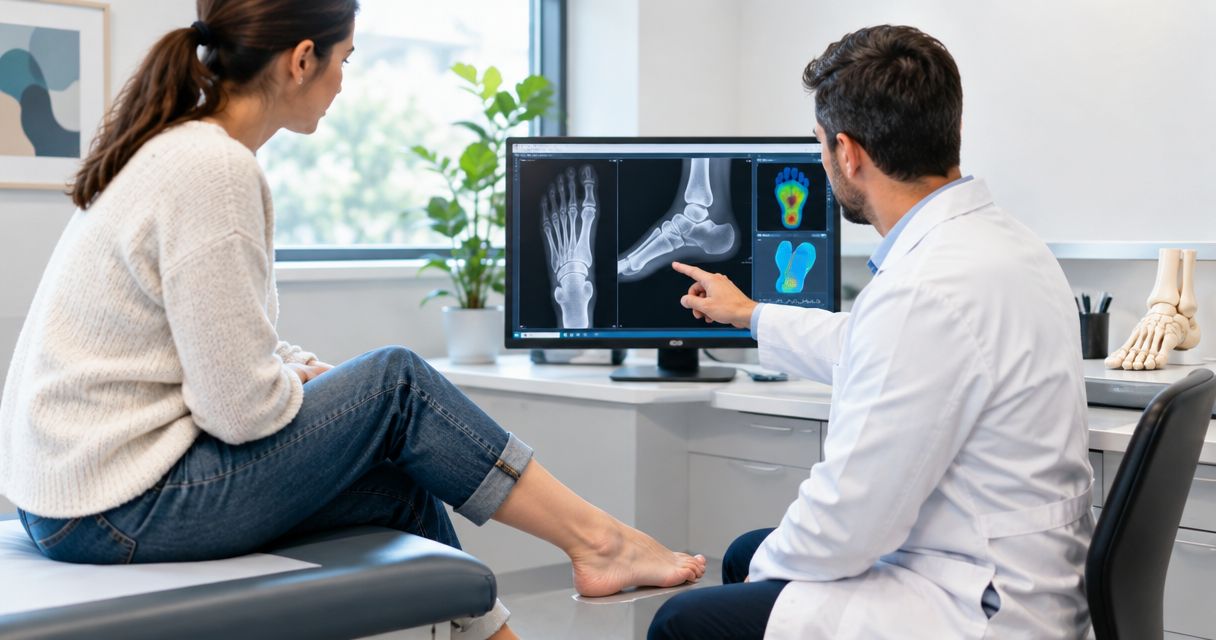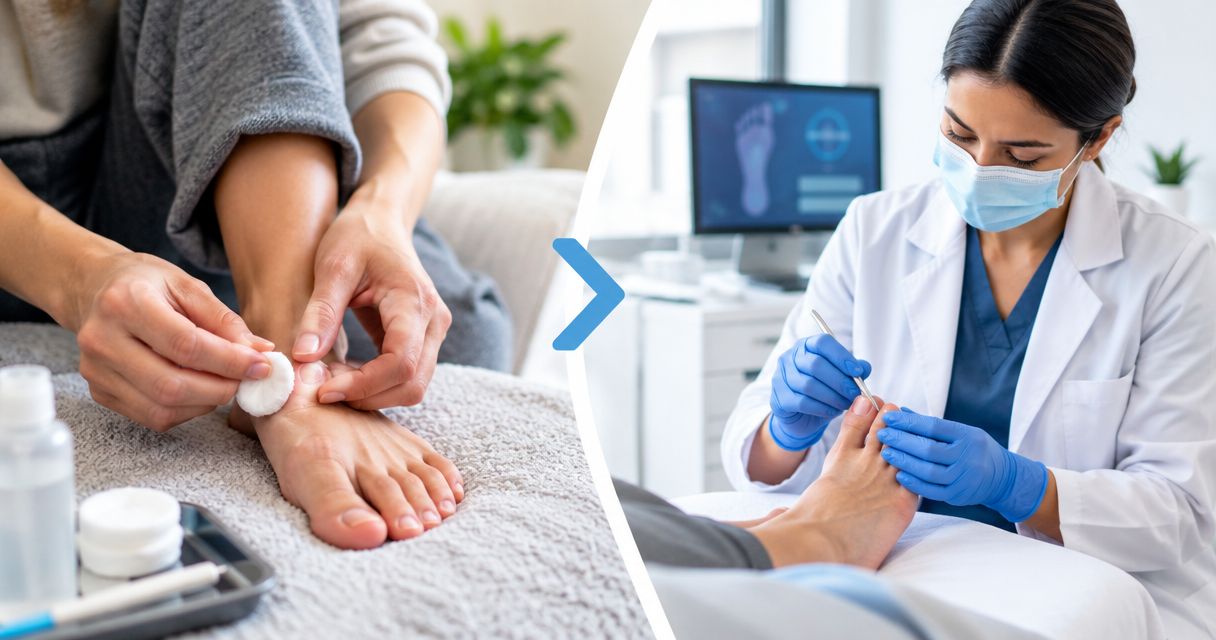
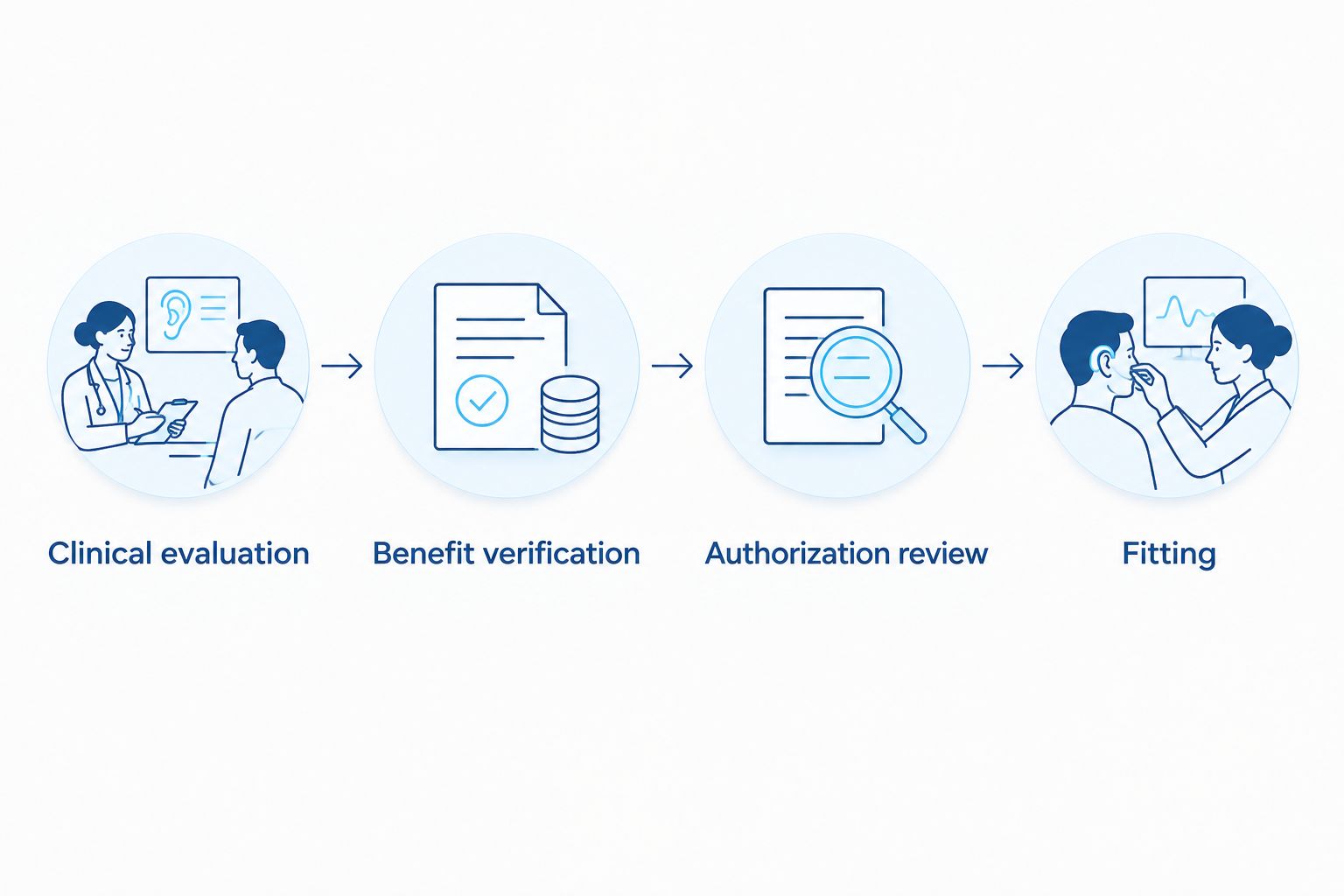
Instead of repeating your symptoms to the clinic and insurer, organize the custom orthotics insurance approval process around a clinical evaluation, benefit verification, any required authorization, and fitting. A gait scan helps describe foot function; it does not establish insurance coverage or replace a diagnosis.
- Start the custom orthotics insurance approval process with an evaluation, not a scan alone.
- Achilles Foot and Ankle Center is best for patients seeking a clinical foot-and-ankle evaluation before choosing orthotics.
- Verify orthotic benefits and prior authorization separately; approval does not guarantee claim payment.
- Keep gait assessment findings, the prescription, and insurer correspondence together through fitting and claim review.
Why this matters
A prescription, authorization, and paid claim are different things. Your clinician decides whether an orthotic is appropriate. Your insurer applies your plan's coverage rules, and the claim receives a separate review after the service is billed.
For patients in Mechanicsville and West End, Achilles Foot and Ankle Center offers foot-and-ankle evaluation and care. Ask whether custom orthotics fit your treatment needs and what the office needs from your insurer before proceeding. This guide describes a patient workflow, not a promise of a particular scanning method or insurance outcome.
Use your current 2026 plan documents. An earlier benefit determination does not establish coverage under a changed policy.
Before you start
- Gather access and records: Have your insurance card, current benefit documents, insurer contact information, and any referral your plan requires. You do not need a particular app; use your insurer's official communication channel.
- Prepare a symptom summary: Bring a 1-page note describing where your foot hurts, when symptoms began, activities affected, and treatments already tried. Bring the shoes you regularly wear and any existing inserts.
- Check the non-obvious restriction: A plan can cover a podiatry visit but exclude custom foot orthotics or require a particular supplier. Verify the device benefit separately from the appointment benefit before authorizing fabrication.
Do not delay medical care while collecting paperwork if you have an open wound, spreading redness, drainage, or a suddenly hot, swollen foot. With diabetes or reduced sensation, a new skin injury deserves prompt clinical attention.
Clinical evaluation and gait assessment
- Describe the problem before requesting a device. Explain whether pain occurs with your first steps, after standing, during exercise, or inside particular shoes. Mention diabetes, numbness, previous wounds, surgery, and changes in walking.
- Review previous treatment. Tell the clinician what you tried and what happened. Do not describe a treatment as unsuccessful unless you actually used it; accurate history supports both care decisions and documentation.
- Ask what the examination shows. A gait assessment examines how you walk. Depending on the clinical question, assessment can include observation, physical examination, pressure measurement, or another measurement method.
- Clarify the purpose of any scan. A scan might measure foot shape or pressure, depending on the equipment. Ask what it records and how the finding changes the treatment recommendation.
- Confirm the recommendation. Ask whether custom orthotics, a prefabricated insert, footwear changes, another treatment, or further investigation is appropriate. Custom does not automatically mean better for your particular problem.
Expected result: You understand the working diagnosis, treatment goal, and reason for recommending—or not recommending—custom orthotics. A scan without that explanation is not a complete treatment plan.
Custom orthotics versus prefabricated inserts
These options serve different purposes. Choose according to the examination and your footwear needs, not the assumption that a made-to-measure device always produces a better result.
| Option | Best for | Main advantage | Limitation |
|---|---|---|---|
| Custom foot orthotics | Patients whose clinician identifies a need for an individualized prescription | Can incorporate prescribed shape and modifications | Require clinical assessment and fitting; insurance coverage is not automatic |
| Prefabricated inserts | Patients whose assessed needs can be met by an existing design | Offer an off-the-shelf option without custom fabrication | Do not provide the same individualized prescription and might not fit the treatment goal |
Neither option replaces wound assessment, evaluation of unexplained numbness, or investigation of a new injury. At Achilles Foot and Ankle Center, the useful starting question is what is causing your symptoms—not which insert to order.
Benefit verification and referral requirements
- Ask about the exact benefit. Tell your insurer you are asking about prescribed custom foot orthotics, not simply a podiatry visit or ordinary shoe inserts. Ask the treating office which device description and billing codes to verify.
- Check the provider and supplier. Confirm whether the clinician and the entity supplying the device meet your plan's network requirements. Do not assume the same coverage rules apply to both.
- Separate referral from authorization. A referral directs you to specialist care; prior authorization is an insurer's advance review of a requested service or device. Your plan can require either, both, or neither.
- Ask about exclusions and documentation. Confirm whether your plan excludes the device, limits covered diagnoses, requires earlier treatments, or needs a particular form. Ask where the relevant rule appears in your plan documents.
- Record the response. Keep 1 reference number for each insurer conversation, along with the date and what was confirmed. Request written confirmation through the insurer's official channel when available.
Expected result: You know whether the device is a covered benefit, who can supply it, and whether a referral or authorization is required. You also know which questions remain unresolved.
If specialist access requires another clinician's referral, the PCP referral-to-podiatrist workflow explains that separate preparation step.
For a 2026 request, confirm the effective dates of the policy being checked. Also ask about deductible, coinsurance, and other patient responsibility without treating an estimate as a payment guarantee.
Authorization documentation and decision tracking
- Confirm who submits the request. Ask the treating office whether its staff or a separate supplier handles authorization. Identify who will receive the decision and who will tell you the next step.
- Match the paperwork to the clinical record. When required by the insurer, the submission should contain the prescription, examination findings, diagnosis, relevant treatment history, and an explanation of why the prescribed device is needed. The clinician must supply accurate findings—not wording invented to obtain approval.
- Confirm receipt. Ask the submitting party whether the insurer received the request and whether anything is missing. Submission alone is not confirmation that the review has started.
- Review the actual decision. If authorization is issued, check the approved device or service, named supplier, dates, and any stated limits. Ask the office to resolve discrepancies before fabrication proceeds.
- Clarify what approval means. Ask what conditions still apply to payment. Eligibility, benefit exclusions, network rules, and claim details can still affect the final determination.
Expected result: You have either a written authorization with understood conditions, confirmation that authorization is unnecessary, or a documented reason the request cannot proceed as submitted.
Keep these stages separate: Clinical evaluation, Benefit verification, Authorization review, and Fitting. They answer different questions, and completing an earlier stage does not automatically complete the next.
If your plan does not require prior authorization, do not request it simply to complete a checklist. Confirm the benefit and applicable rules, then follow the treating office's instructions.
Fabrication release, fitting, and claim review
- Confirm readiness before fabrication. Ask the office what decision or acknowledgment is needed before the device is made. Resolve unanswered coverage questions rather than assuming a later claim will settle them.
- Bring your usual footwear to fitting. Orthotics need to work inside the shoes you use. Ask whether the existing removable liner should come out and whether the device sits securely without crowding your toes.
- Follow individualized wear instructions. Ask for a gradual wearing schedule appropriate to your feet and activities. Do not adopt someone else's schedule, especially if you have diabetes, reduced sensation, or a history of skin injury.
- Arrange follow-up for problems. Report rubbing, new numbness, persistent pain, or changes in walking. Do not grind, cut, or otherwise alter a custom device yourself.
- Compare the claim documents. Review the insurer's explanation of benefits against the office statement. An explanation of benefits describes claim processing; it is not itself a bill.
Expected result: You understand the fit, wearing instructions, follow-up plan, and claim status. Receiving the device is not the end of checking comfort or coverage.
For your 2026 records, keep the prescription, authorization correspondence, fitting instructions, and claim documents together. Insurance approval does not tell you whether an orthotic fits safely. Your symptoms and skin checks still matter.
Arrange a foot evaluation
Discuss foot pain, walking changes, and whether an orthotic belongs in your treatment plan.
When an existing orthotic needs replacement
A replacement request is a related workflow, not an automatic repeat order. Changes in symptoms, footwear, health, or foot shape deserve reassessment before another device is made.
- Start with the problem: Explain whether the device is worn, damaged, uncomfortable, or no longer meeting the treatment goal.
- Bring the existing device: Let the clinician assess its condition and fit rather than relying only on its age.
- Recheck the current benefit: Ask about replacement rules, documentation, and authorization under your 2026 policy. Previous payment does not establish a new entitlement.
- Confirm the new order: Ask whether the prescription remains appropriate and whether new measurements are needed.
The advantage of reassessment is a prescription matched to your current needs. The limitation is that an earlier scan or authorization might not satisfy the requirements for a new request.
Troubleshooting: resolve the specific barrier
The insurer says the visit is covered, but not the orthotic
Ask whether the issue is a device exclusion, network restriction, missing authorization, or unmet clinical criteria. Those are different problems. A covered examination does not override an excluded device benefit.
The authorization request is missing information
Ask for the exact missing item and who must provide it. Route clinical questions to the treating clinician and benefit questions to the insurer; resending the same incomplete packet does not address the request.
The request is denied despite a prescription
Read the written reason and appeal instructions. If the denial concerns missing or inaccurate documentation, ask the office whether the record supports a correction or appeal. A prescription alone does not override plan exclusions, and an appeal does not guarantee reversal.
The orthotic rubs or makes symptoms worse
Stop the activity or wear pattern causing the problem and contact the treating office. New blisters, broken skin, or numbness need attention rather than an attempt to push through discomfort, particularly when sensation is reduced.
Customize your workflow
Match the paperwork and follow-up to your main concern. For heel pain, document when symptoms occur and how they affect walking; for diabetes, include wound history, reduced sensation, and skin changes; for sports-related pain, describe training demands and recent injuries.
Achilles Foot and Ankle Center provides foot-and-ankle care, including heel pain, diabetic foot care, and sports injuries. An evaluation can address those concerns; it does not guarantee an orthotic prescription or insurer approval. Patients seeking care in Mechanicsville or West End should confirm the appointment details and insurance requirements directly.
FAQ
Does a gait scan guarantee insurance approval for custom orthotics?
No. A gait scan provides clinical information, while insurance approval depends on your plan’s benefit rules and required documentation. A scan does not replace an examination or prescription.
What is the first step in the custom orthotics insurance approval process?
Arrange a clinical evaluation and check whether your plan requires a referral. Before fabrication, verify the custom orthotic benefit and any prior authorization requirements separately from visit coverage.
Do I need a referral and prior authorization?
Your plan determines whether you need a referral, prior authorization, both, or neither. A referral and an authorization serve different purposes, so confirm each requirement separately.
Does prior authorization mean my insurer will pay the claim?
No. Prior authorization is not a guarantee of claim payment. Eligibility, benefit terms, network requirements, and the submitted claim still matter.
Can I appeal a denial for custom orthotics?
Follow the appeal rights and instructions in your written denial. Ask the treating office whether clinical documentation supports an appeal, and submit it within the deadline stated by your plan.
Are custom orthotics always better than store-bought inserts?
No. The appropriate choice depends on your symptoms, examination, footwear, and treatment goals. Some patients need an individualized prescription; others can use a prefabricated option.
What should I do if new orthotics cause rubbing or numbness?
Stop the wear pattern causing symptoms and contact the treating office for guidance. Broken skin, new numbness, or a new injury needs prompt attention, especially with diabetes or reduced sensation.
One last thing
Bring your shoes, not just your scan. An orthotic interacts with your foot and your footwear, so a device that looks appropriate outside a shoe still needs an in-shoe fit check. Before leaving the fitting, explain which shoes you actually wear for work, exercise, and daily errands.
Related guides