The best arch support shoes for flat feet are stability shoes with a firm heel counter, a stiff midfoot, and a wide base that keeps your arch from collapsing inward with every step. The Brooks Adrenaline GTS 25 is the best all-round pick. The HOKA Gaviota 6 suits you if you want maximum cushioning, and the Topo Ultrafly 6 suits wide, flat feet. If you need a leather shoe for work, the Brooks Addiction Walker 2 is the one to look at.
Flat feet make shoe shopping harder than it should be. A shoe that feels soft in the store can let your arch sag by mid-afternoon, and the word "supportive" on a box tells you almost nothing. The result is sore arches, tired legs, or heel pain that you blame on everything except your footwear.
This guide ranks six shoes by the support they give, using specs and lab measurements from independent testing, and matches each one to a type of wearer. It also explains what to check before you buy and when shoes alone will not be enough.
What arch support means for flat feet
Arch support in a shoe means structure that controls how your foot moves, not just a bump under the arch. A good shoe limits how far your arch collapses and how far your foot rolls inward, mainly through the midsole shape, the heel counter, and the width of the base.
Do flat feet need arch support shoes?
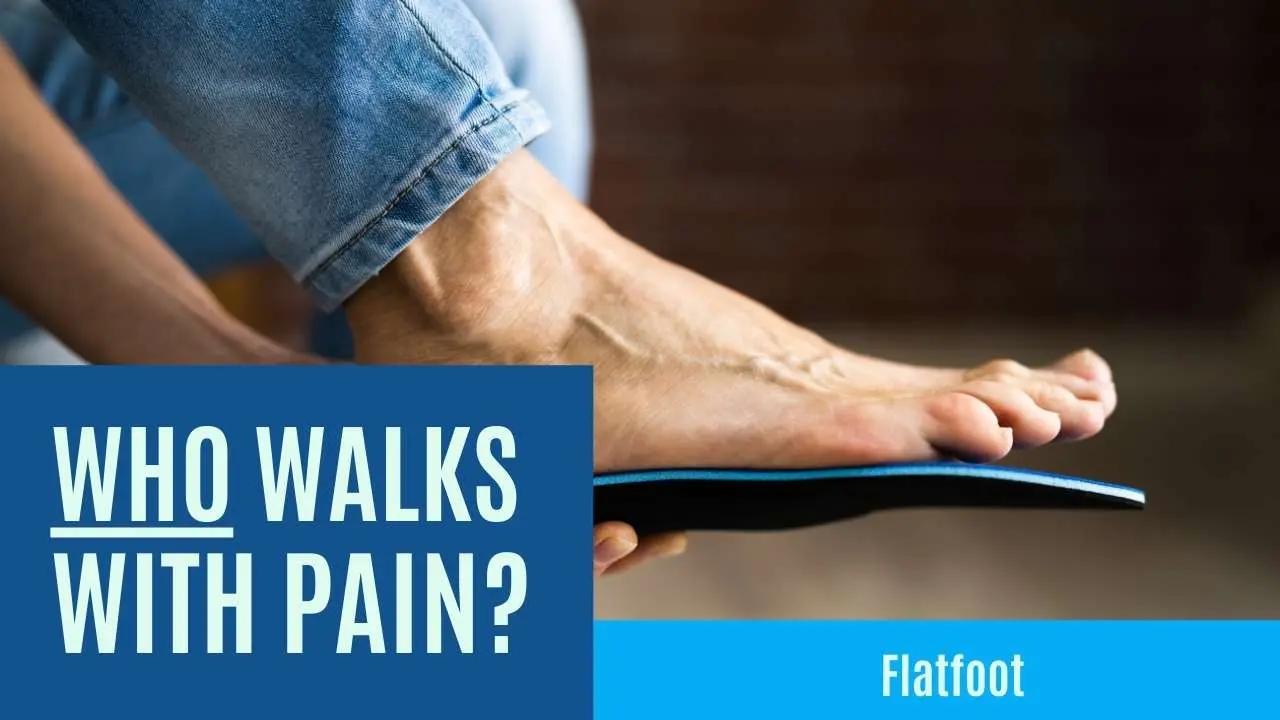
Yes, if your flat feet are flexible and cause symptoms. Flexible flat feet show an arch when you sit and lose it when you stand, and a stability shoe helps control that collapse. Rigid flat feet, where the arch is missing even off your feet, need a medical evaluation, because shoes alone will not manage them.
Shoes do not rebuild an arch either. There is no good evidence that walking barefoot raises one, so treat shoes as a way to reduce strain, not as a cure.
A supportive shoe controls how your arch collapses. It does not create an arch that is not there.
Five features that separate good picks
Check these before you look at brand names:
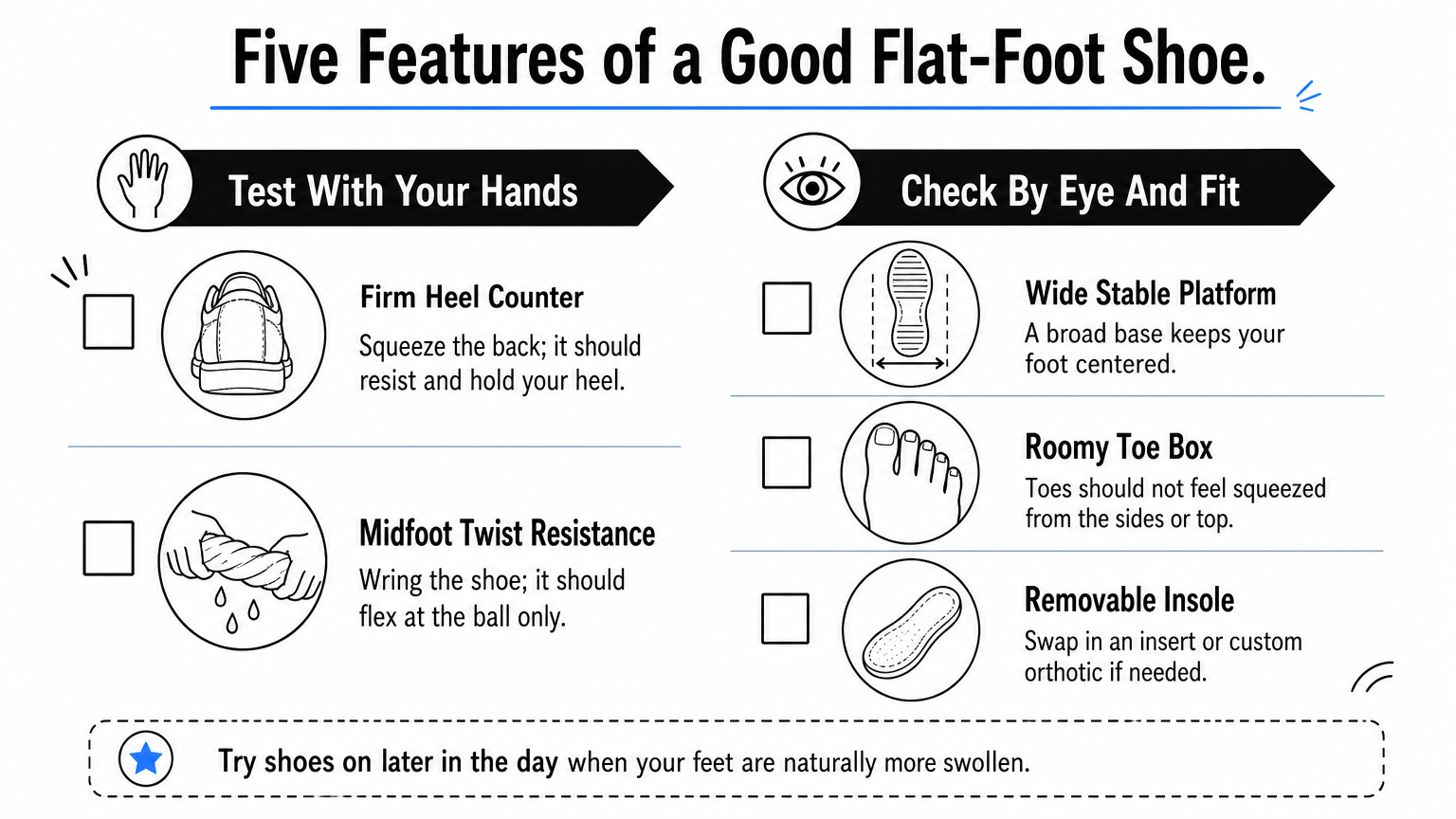
- A firm heel counter. Squeeze the back of the shoe. It should resist, and your heel should sit snug without slipping.
- A midfoot that resists twisting. Wring the shoe like a towel. It should flex at the ball of the foot, not twist in the middle.
- A wide, stable platform. A broad base, often with raised sidewalls, keeps your foot centered.
- Room in the toe box. Your toes should not be squeezed from the sides or the top. Look for models offered in wide widths.
- A removable insole. You can then swap in an insert or custom orthotic if you need one.
How the six picks compare
All six are sold in men’s and women’s versions. The table shows what each does best.
| Shoe | Best for | Support feature | Worth knowing |
|---|---|---|---|
| Brooks Adrenaline GTS 25 | Daily walking, easy runs | GuideRails | Standard, wide, extra-wide |
| HOKA Gaviota 6 | Long days on your feet | Enhanced H-Frame | 6 mm drop |
| ASICS Gel-Kayano 33 | Plush ride, wet weather | FluidSupport, PureGEL heel | Strong traction score |
| New Balance 860 v14 | Arch-related tendon strain | Medial wedge | Normal, wide, extra-wide |
| Topo Ultrafly 6 | Wide feet, orthotic users | Medial post at heel | Roomy toe box |
| Brooks Addiction Walker 2 | Work, dress-casual | Diagonal support bar | All-leather |
1. Brooks Adrenaline GTS 25
The Adrenaline GTS 25 is the best all-round choice among the best arch support shoes for flat feet. It guides your foot without making the shoe stiff.
Key specs and support
Its GuideRails system keeps your foot centered on a broad platform and limits excessive arch collapse. Independent lab tests measured the heel midsole at 117.7 mm wide, and the shoe bends 7% more easily than the average walking shoe, so you get guidance without a rigid ride.
Support that guides your foot without stiffening the shoe is what most flat-footed walkers need.
- Support system: GuideRails
- Stack: 37 mm heel, 27 mm forefoot, 10 mm drop
- Widths: standard, wide, and extra-wide
- Weight: 10.4 oz (295 g)
Who it suits and trade-offs
This is the safest first pick if you have flexible flat feet and want one shoe for walking, standing all day, and easy jogging. The wide and extra-wide options also help if your forefoot spreads.
The main complaint is weight, which you notice late in the day. Energy return is modest, and the list price is about $145, though retailers often discount it. If you want a lightweight walking shoe, look elsewhere on this list.
2. HOKA Gaviota 6
The Gaviota 6 is the pick for people who want a highly cushioned shoe that still controls overpronation.
Key specs and support
HOKA’s enhanced H-Frame stability system guides the foot and keeps it centered on the midsole, which limits inward roll. The CMEVA midsole absorbs shock while staying controlled, and an internal ghillie lacing system wraps the midfoot so your foot does not slide around inside the shoe.
If your feet ache after hours of standing, cushioning with built-in stability is the combination to look for.
- Support system: enhanced H-Frame
- Midsole: CMEVA cushioning
- Drop: 6 mm
- Upper: technical mesh with ghillie lacing
Who it suits and trade-offs
Choose this one if you stand or walk for most of your day, such as in retail, teaching, or healthcare, and you want max cushioning plus real stability. It is also lighter than earlier Gaviota versions, so it feels less bulky on long walks.
The trade-off is feel. A tall, cushioned platform sits you farther from the ground, and some people miss that ground contact. It is HOKA’s premium stability model, so check the current price at the retailer before you commit.
3. ASICS Gel-Kayano 33
The Gel-Kayano 33 is the plush option, and it grips better than most stability shoes in wet weather.
Key specs and support
The FluidSupport system and wide base give a stable ride, with firm foam placed to add lateral support. Lab testing measured the midsole at 120.7 mm wide at the heel, and a traction score of 0.93, among the highest recorded. PureGEL in the heel softens landings, and the heel measured 132 on the shock absorption scale.
A stable platform and real grip matter more than softness when you walk on wet pavement.
- Support system: FluidSupport with a wide base
- Heel stack: 36.8 mm
- Outsole: Hybrid ASICSGRIP
- List price: about $170
Who it suits and trade-offs
Pick it if you want a premium, cushioned stability shoe for daily walking and live somewhere rainy or icy. It works for heel strikers and midfoot strikers alike, and ASICS held the price steady from the last version.
It is stiff, measuring 44% stiffer than average in the bend test, and it feels heavy. Energy return is low. Extreme overpronators may find it less stable than a dedicated motion-control shoe, so ask a podiatrist if your foot rolls in sharply.
4. New Balance 860 v14
The 860 v14 is the standout among New Balance shoes for flat feet because it is one of the few mainstream shoes with a built-in medial wedge.
Key specs and support
A medial wedge of firm foam under the arch tilts the foot slightly outward and offloads stress from the arch area. On top of it sits plush Fresh Foam X cushioning, so the shoe does not feel like a brick.
A medial wedge works by tilting your foot, which is a different job from simply propping up the arch.
- Support system: medial wedge with firm foam under the arch
- Cushioning: Fresh Foam X
- Widths: normal, wide, and extra-wide
Who it suits and trade-offs
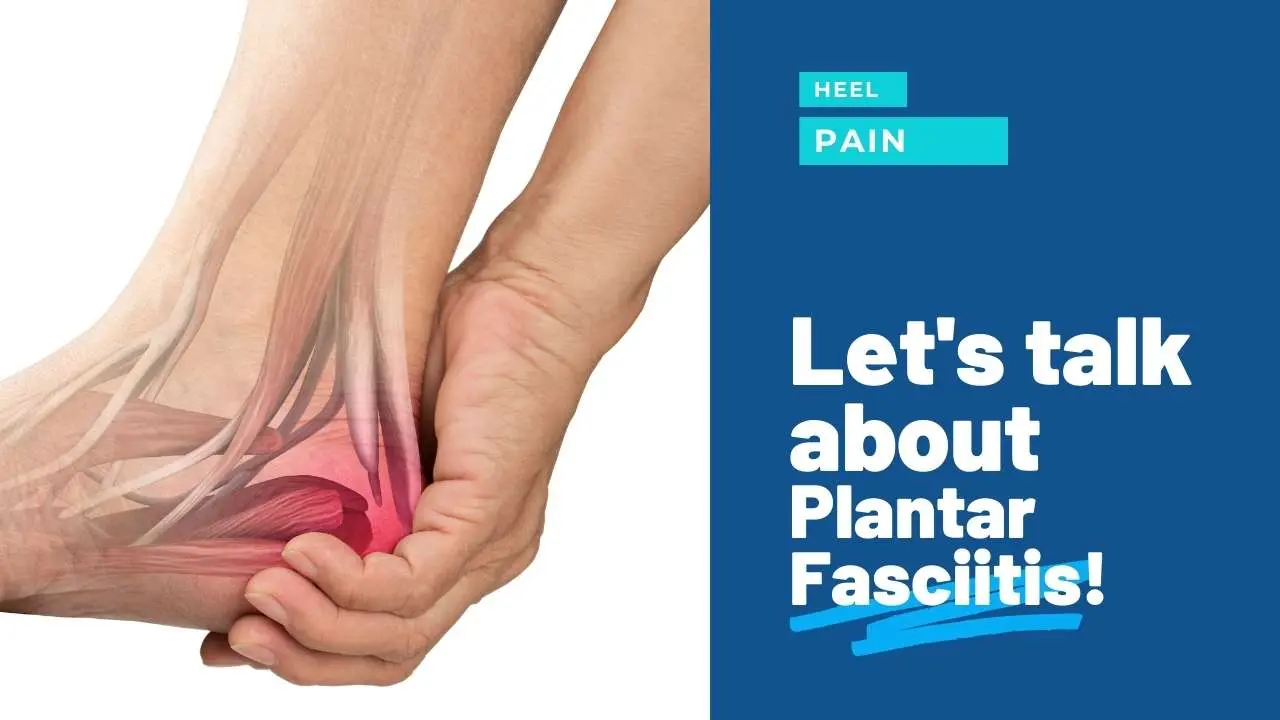
It suits people whose flat feet come with strain on the arch, such as plantar fasciitis or posterior tibial tendon irritation. It is a good fit for those who want more correction than a typical stability shoe gives.
It is not right for everyone. If you have had ankle instability or peroneal tendon problems, the wedge may work against you, so get advice first. A newer 860 v15 is also out, and it is described as a bigger change than a normal update, so do not assume the two feel the same. Check which version your store carries.
5. Topo Ultrafly 6
The Ultrafly 6 is the best choice for wide, flat feet, and it pairs well with your own orthotics.
Key specs and support
The shoe has a roomy fit that lets your toes splay. Lab measurements recorded a maximum width of 96.7 mm and a toe box of 80.3 mm, both wider than average. A medial post wrapping around the heel adds subtle stability without stiffening the midsole, and the shoe bends 18% more easily than the average walking shoe.
Flat feet are often wide feet, and a shoe that squeezes the forefoot undoes any arch support it offers.
- Platform: 33.0 mm heel, 26.4 mm forefoot
- Drop: 6.6 mm
- List price: about $150
- Insole: works well with custom orthotics
Who it suits and trade-offs
Choose it if standard widths pinch, or if you already wear a custom orthotic and need a shoe with space for it. The anatomical toe box is also kind to bunion-prone feet. It works for walking and easy runs.
Expect less cushioning than the other picks. Lab testing showed low shock absorption, and the midsole technology is dated. High torsional rigidity may bother some wearers. If you want a soft landing on pavement, the Gaviota 6 or Kayano 33 is the better match.
6. Brooks Addiction Walker 2
The Addiction Walker 2 is the best leather option, and the closest thing here to a supportive dress shoe.
Key specs and support
An Extended Progressive Diagonal Bar under the midfoot supports the arch and reduces excess motion. The all-leather upper is tough, since a rough abrasion test barely marked it, and the stiffness scored the highest rating of 5 out of 5, which keeps you centered when your feet tire.
If your job needs leather shoes, support has to come from the structure, because the upper will not give you any.
- Upper: all leather
- Support: Extended Progressive Diagonal Bar
- Weight: 13.7 oz (388 g)
- List price: about $140
Who it suits and trade-offs
Pick it for the office, a nursing shift in cold weather, or any setting where sneakers look wrong. It passes with business-casual clothes and handles cold, drizzly days well, and it fits true to size. Dress shoes with real arch support are rare, so this is a practical compromise.
Be realistic about the downsides. It is nearly 40% heavier than the average walking shoe, it is stiff and needs breaking in, and the leather is not breathable. Slip resistance was weaker than advertised in testing, so take care on wet floors.
Choosing a pair and knowing when shoes are not enough
Choose by your foot width, your daily routine, and your symptoms, then confirm the fit in person. If pain continues in the right shoe, the shoe is not the problem, and you need a different kind of support.
Fit and buying checklist
Fit decides whether good arch support helps or hurts. Before you buy:
- Try shoes on in the afternoon, when your feet are at their largest.
- Wear the socks, and any insert, you will use every day.
- Check that your heel stays put and your toes have space.
- Walk on a hard floor, not just store carpet.
- If you are unsure of your arch type, wet your foot and step on paper. A full print with almost no curve means a flat arch.
Shoes, insoles, or custom orthotics
Stability shoes handle mild flat-foot symptoms. Over-the-counter insoles add a layer of support, and custom orthotics are made from your own foot shape. Which one is best depends on how stubborn your pain is.
| Option | Best for | Limit |
|---|---|---|
| Stability shoe | Mild, flexible flat feet | Cannot be tuned to your foot |
| Store-bought insole | Extra support in a roomy shoe | Generic shape |
| Custom orthotic | Ongoing pain or unusual foot shape | Needs an exam and a fitting |
At Achilles Foot and Ankle Center, our podiatrists and nurse practitioners make custom orthotics using a 3D imaging system, and you can request a same-day appointment.
When to see a podiatrist
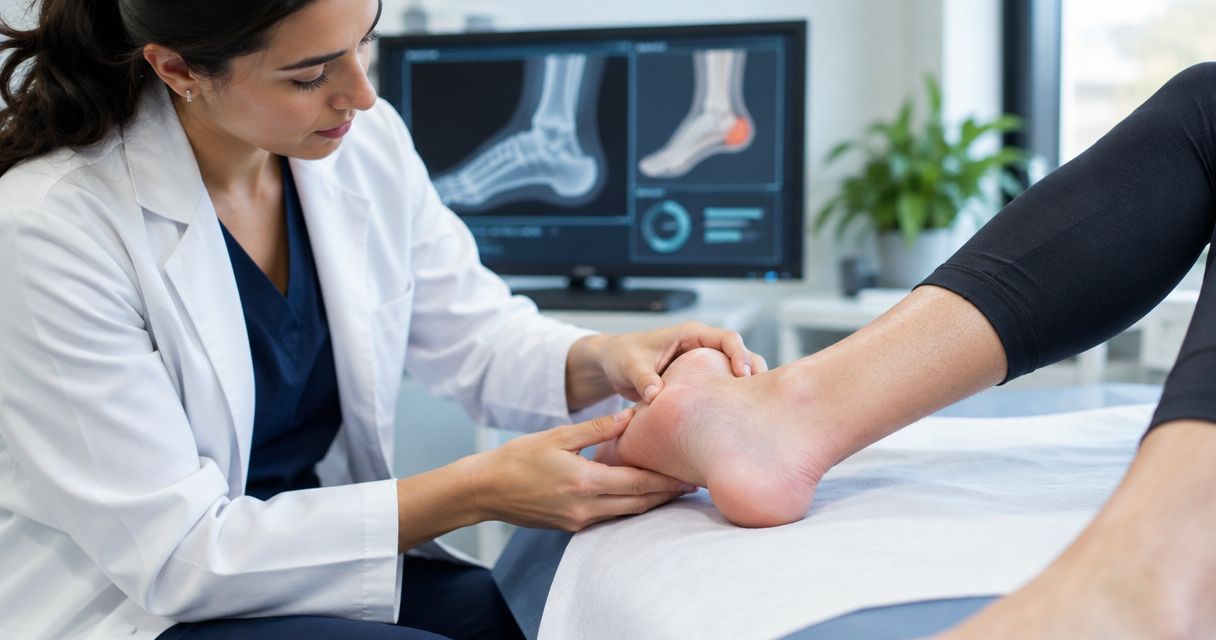
See a podiatrist if pain keeps returning in supportive shoes, if the inner ankle swells, or if one foot seems to be flattening over time. Adults with diabetes should talk to a podiatrist before choosing shoes themselves. We treat adult flatfoot and pronation problems, including for people who found no relief from supportive running shoes.
Picking your pair
Start with the Brooks Adrenaline GTS 25 if you want one dependable shoe. Move to the HOKA Gaviota 6 for cushioning, the Topo Ultrafly 6 for width, the New Balance 860 v14 for medial correction, the Kayano 33 for grip, or the Addiction Walker 2 for leather. Check the firm heel, the stiff midfoot, and the toe room in person, and buy the pair that fits your feet.
If supportive shoes do not stop the pain, the next step is an exam. You can book a same-day appointment at one of our Richmond-area offices, and we will look at your arch, your walking pattern, and whether custom orthotics make sense for you.