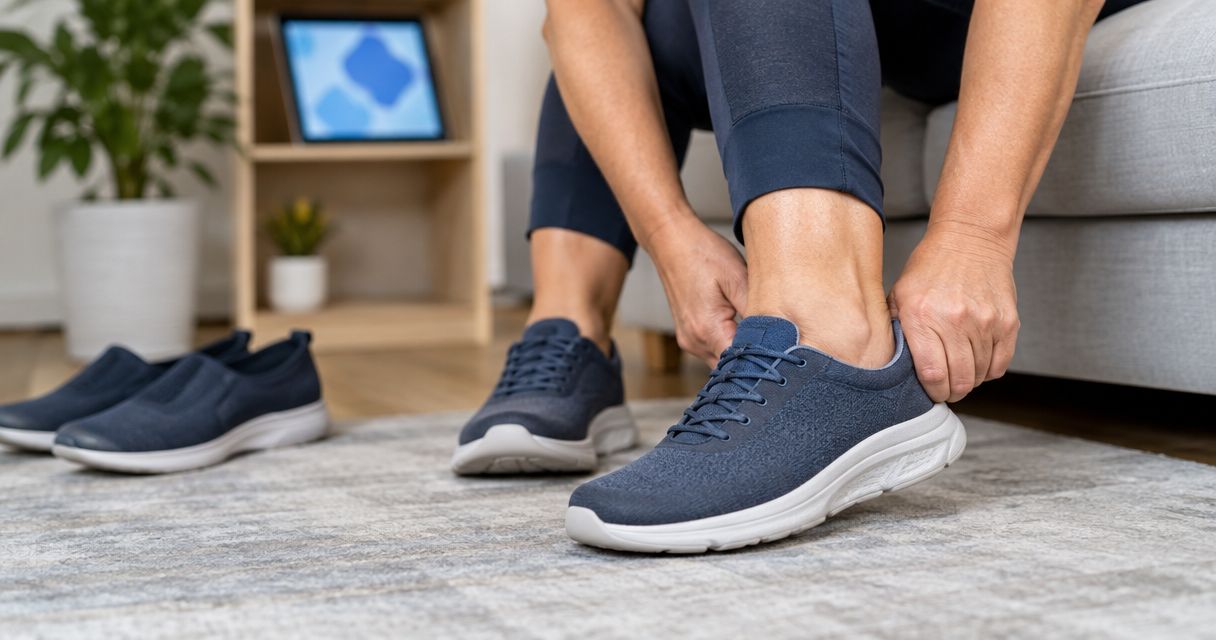
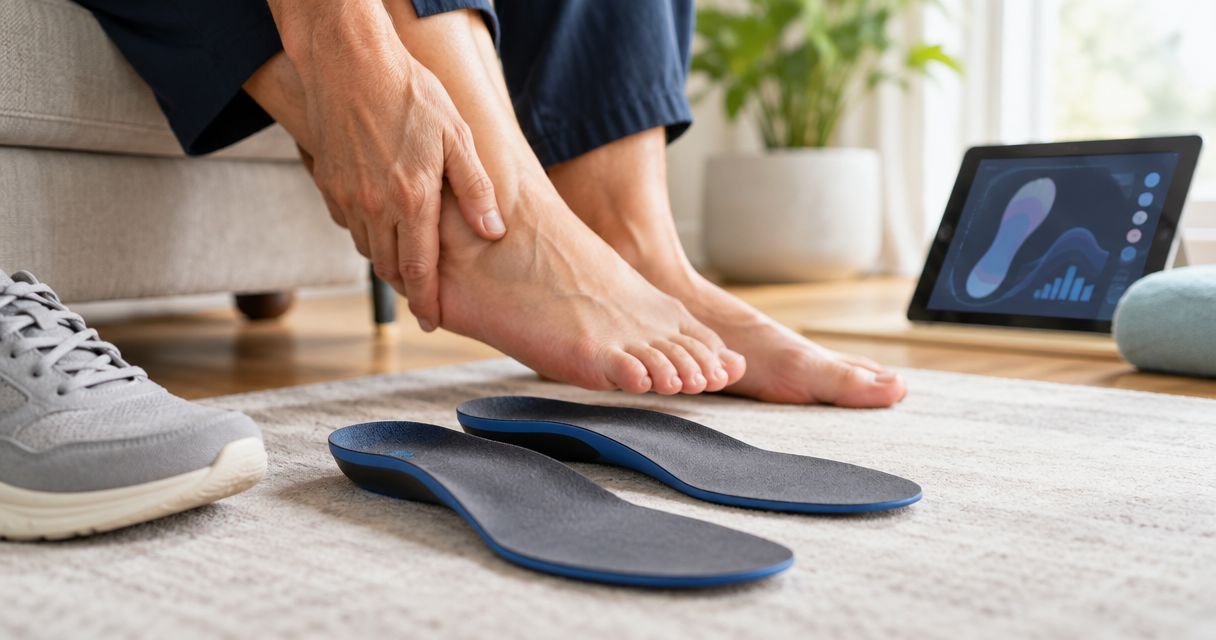
The best arch support for flat feet is a firm, contoured insole with a deep heel cup, matched to how low your arch really is. For most people with mild, flexible flat feet, the PowerStep Pinnacle Low is the best over-the-counter place to start, and Dr. Scholl’s Stability Support is the budget pick. If you have pain that keeps returning, an arch that keeps collapsing, or swelling on the inside of your ankle, custom orthotics from a podiatrist beat anything on a store shelf.
Choosing is harder than it should be. An estimated 20 to 30 percent of adults have flat feet, and most of them face a wall of near-identical packages. Soft gel and foam inserts feel great in the store, then flatten within months and leave the arch unsupported, so the pain you wanted to fix comes back.
We are a podiatry practice that treats flatfoot and overpronation in the Richmond area. This list ranks seven options in the order we would point a patient to them, starting with our own custom orthotics. You will see how each one works, who it suits, and where it falls short, plus a short guide to choosing by arch height.
How to choose arch support for flat feet
Good arch support for flat feet is firm, shaped to your arch height, and cupped at the heel. A two-minute home test tells you which arch profile to try first, and four checks separate real support from soft padding.
What firm, contoured support looks like
Support should resist your foot, not give way to it. Press on the arch with your thumbs: you should be able to flex it, but not easily. Soft gel and plain foam compress under body weight, so the arch you paid for disappears within weeks.
- Firm arch: it holds the arch up instead of squashing flat.
- Deep heel cup: it steadies the heel and limits overpronation, the inward roll of the foot.
- Matching height: an arch that is too tall feels like a lump and can hurt.
- Fit: sizes that follow your shoe size or a trim guide, and a weight rating if you are heavier.
- Durability: foam insoles often flatten within roughly 6 to 12 months of daily wear.
Soft insoles feel good for a week, but firm, contoured support is what holds your arch up.
Can arch support correct flat feet?
Arch support relieves flat-foot symptoms, but in an adult it does not rebuild the arch. It holds the foot in a better position and spreads pressure, which eases strain on the plantar fascia, the inner ankle and the knee. Pair it with supportive shoes and foot-strengthening exercises for the best result.
Here is what podiatrists typically recommend. Start with a firm over-the-counter insole for mild, flexible flat feet. Move to a custom device when pain persists after a fair trial, when one foot flattens faster than the other, or when the inside of your ankle swells.
Find your arch height
Wet your foot and step on dark paper or concrete. Then sit and cross your ankle over your knee to see the arch unweighted.
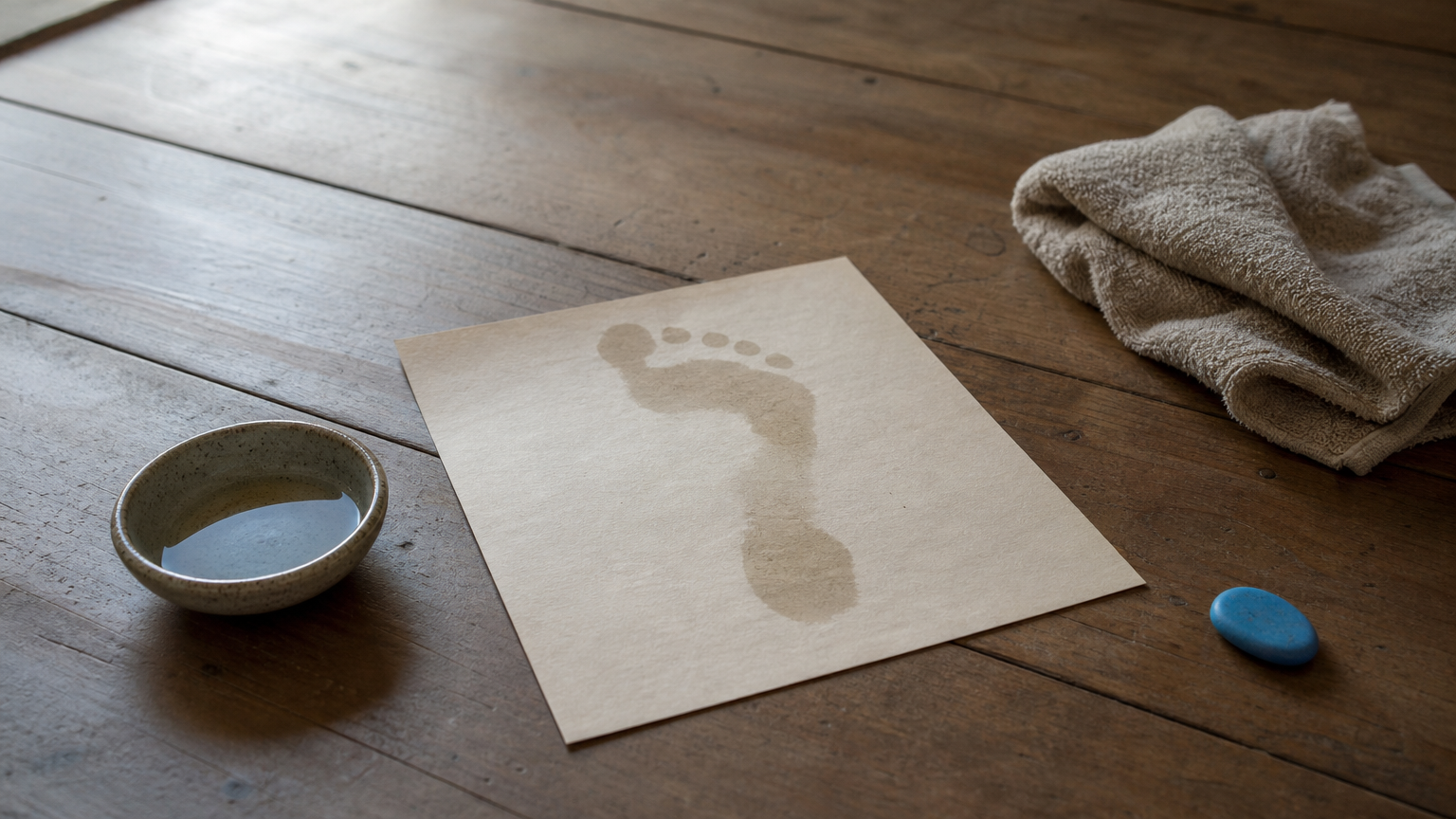
| What you see | What it suggests | Arch profile to try |
|---|---|---|
| Full footprint, arch flat even when seated | Rigid or severe flat foot | Low profile, and get an exam |
| Full footprint, arch appears when seated or on tiptoe | Flexible flat foot | Low to medium profile |
| Narrow band along the inside edge | Mild low arch | Medium profile |
The seven picks at a glance
Here is how the seven options compare before we go through each one.
| # | Pick | Type | Best for |
|---|---|---|---|
| 1 | Achilles custom orthotics | Custom, prescribed | Persistent pain, progressive flattening |
| 2 | PowerStep Pinnacle Low | Over the counter | Everyday wear for most people |
| 3 | Dr. Scholl’s Stability Support | Over the counter, trim to fit | Tight budgets, mild overpronation |
| 4 | Superfeet All-Purpose Support High Arch | Over the counter, trim to fit | Active days, long hours standing |
| 5 | Superfeet Run Pacer Elite | Carbon plate | Runners |
| 6 | PowerStep Wide Fit | Wide sizes | Feet from 3E to 6E |
| 7 | Sole Performance | Heat-moldable | Feet that stock shapes do not fit |
1. Achilles Foot and Ankle Center custom orthotics
Custom orthotics are the strongest choice when shelf insoles keep failing. They are built from your foot, not from a size chart, and prescribed after an exam.
How it works
Custom orthotics are medical devices designed around the demands of your own foot. At Achilles Foot and Ankle Center, podiatrists and nurse practitioners examine your foot and symptoms, then capture its shape with a state-of-the-art 3D imaging system so the device matches your arch and heel.
- Designed from a 3D image of your foot
- Prescribed after an exam, so the diagnosis shapes the device
- Available through our Richmond-area clinics, including Mechanicsville and Glen Allen
Who it suits
Choose this route if pain returns after two or three over-the-counter insoles, if your arch keeps flattening, or if the inside of your ankle swells. It also fits people whose overpronation persists despite supportive running shoes.
Skip it for occasional, mild soreness and start with one of the picks below. Our podiatrists try non-surgical options first, and the exam also checks whether your flatfoot needs more than an insole, such as bracing, therapy or exercises.
When shelf insoles keep failing, the missing piece is usually fit, not effort.
Cost and trade-offs
Expect a higher upfront cost than any shelf insole, and an appointment instead of a checkout page. We explain findings, options and pricing upfront. Coverage for orthotics varies by plan, so check with your insurer before you commit.
- Pro: matches your foot and your diagnosis
- Con: costs more and needs a visit
2. PowerStep Pinnacle Low insoles
The PowerStep Pinnacle Low is the best all-round over-the-counter pick. It combines firm support with a cushioned top and needs no trimming.
How it works
A firm EVA foam bottom layer carries the support, while a softer top layer cradles the foot. A deep, sturdy heel cup holds the foot in position, and a semi-flexible shell lets it move naturally without giving up support.
- Sizes that correspond to real shoe sizes
- No trimming required
- Odor- and moisture-control top fabric
Who it suits
This is the pick for most adults with mild to moderate, flexible flat feet who want one dependable insole for everyday shoes. It also suits first-time buyers, because the size-matched fit removes the cutting and guesswork.
Look elsewhere if your feet are very wide, where pick 6 fits better, or if the support does not improve things after a few weeks of consistent wear.
For a first insole, buy support you can size by shoe size and wear straight away.
Cost and trade-offs
It costs more than a drugstore insole, which is reasonable for a dual-layer build. One reported annoyance is that the printed logo can melt and stain socks.
- Pro: easy fit, firm yet comfortable
- Con: logo can transfer onto socks
3. Dr. Scholl’s Stability Support insoles
Dr. Scholl’s Stability Support is the best value on this list. It adds real overpronation control at a price well below the premium picks.
How it works
Added arch support pairs with stability guardrails that limit the inward roll of the foot. A thick, shock-absorbing heel cup softens repeated impacts, and an included guide shows where to trim the insole to fit your shoe.
- Stability guardrails against overpronation
- Shock-absorbing heel cup
- Trim guidelines in the package
Who it suits
Choose it if you are on a tight budget or want to test whether support helps before spending more. It works well for mild flat feet with overpronation, foot, leg or lower back soreness, and shoes with removable liners.
Be careful in snug shoes. The thick heel raises your foot, so a normally comfortable shoe can start to feel tight.
A low price is a fair way to find out whether support helps, as long as you budget for replacements.
Cost and trade-offs
Budget the replacement. As an example, a $40 pair replaced every six months costs $80 a year, or $240 over three years.
- Pro: strong support for the money
- Con: heel can be too thick for some shoes
4. Superfeet All-Purpose Support High Arch insoles
Superfeet All-Purpose Support is the pick for active days and long hours on your feet. It is firm, durable and trimmable.
How it works
A sculpted heel cup absorbs impacts and controls pronation. The insoles come in many sizes and can be trimmed, so you can tune the fit to your go-to athletic shoes.
- Sculpted heel cup
- Good pronation control
- Wide size range, trimmable
Who it suits
Gym-goers, hikers, and people who walk or stand for most of the day will get the most from it. It is a good match for athletic shoes and work boots with removable liners.
Despite the "high arch" name, it is a firm profile. If your feet are very flat and the arch presses painfully after a short break-in, step down to a lower-profile option such as pick 2.
Firm support only helps when its arch height matches yours, so give it a short break-in and then judge.
Cost and trade-offs
It sits in the mid-to-upper price range for over-the-counter insoles, which buys durability. Some wearers report that it holds foot odor, so watch for that if you sweat heavily.
- Pro: firm, durable, easy to trim
- Con: odor complaints from some users
5. Superfeet Run Pacer Elite insoles
The Superfeet Run Pacer Elite is the best running option, with arch support plus a carbon plate. It is also the most expensive pick here.
How it works
A carbon plate partners with SuperRev foam to add spring while keeping the insole comfortable. Arch support aligns with your natural mechanics, so you can drop it into your own running shoes.
- Carbon plate for a reactive feel
- SuperRev foam
- Backed by a 60-day comfort guarantee (confirm terms with Superfeet)
Who it suits
Runners with flat feet who want to make a plain trainer more reactive for tempo runs and races are the target. It works at slow or fast paces, so one pair covers easy days and workouts.
It is not for casual walkers on a budget. If running causes pain on the inside of your ankle or in the arch, get an exam before spending on a performance insole.
Spend on a performance insole only after pain is under control.
Cost and trade-offs
Expect to pay well above the other over-the-counter picks. Check that your running shoes have a removable liner and enough volume for the plate.
- Pro: arch support plus energy return
- Con: high price
6. PowerStep Wide Fit insoles
PowerStep Wide Fit is the answer when standard insoles do not fit. It covers shoe widths from 3E to 6E.
How it works
It delivers the same reliable arch support and heel control as other PowerStep models, sized for broad feet. Sizes run from about 3.5 men’s to 16, and the design can ease plantar fasciitis symptoms.
- Widths 3E to 6E
- Wide size range
- Made in the USA
Who it suits
Pick this if standard insoles squeeze the sides of your foot, slide around, or your shoe size falls outside the usual range. It also suits people with flat feet and heel pain who need a firm, structured support.
The foam is firm, so very sensitive feet may need a short break-in. Wear them for an hour or two at first and build up.
If an insole pinches your foot, it is the wrong size, however good its support.
Cost and trade-offs
Pricing varies by retailer, so compare before buying. Make sure your shoes have room for the extra width.
- Pro: rare width and size coverage
- Con: foam can feel too hard at first
7. Sole Performance insoles
Sole Performance is the best moldable option. You heat and shape it to your own foot at home.
How it works
A cork bottom layer, made from recycled wine corks, positions the foot and absorbs impact. A softer foam top layer adds comfort, and the insole supports a range of arch heights. Molding takes a few steps:
- Heat the insoles in the oven following the package directions.
- Move them quickly into your shoes and lace up.
- Stand still for a few minutes while they take your foot’s shape.
Who it suits
It suits people whose feet do not match stock shapes but who are not ready for custom orthotics. Standing for hours is easier with the softer top layer.
Remember that heat molding copies your foot as it stands, but it is not a prescription. If pain persists, an exam still tells you more than any insole can.
Home molding improves fit, but only an exam tells you what your foot actually needs.
Cost and trade-offs
It is on the expensive end of over-the-counter options, so make sure you will follow the molding steps carefully.
- Pro: custom-style fit without an appointment
- Con: higher price and a bit of prep work
Choosing the right support for your feet
Firm, contoured support with a deep heel cup and the right arch height is what works. For mild, flexible flat feet, start with the PowerStep Pinnacle Low or the Dr. Scholl’s pick, and match width, running and molding needs to the other options. If pain keeps coming back, or your arch keeps flattening, a custom device built from an exam will do more than any shelf insole.
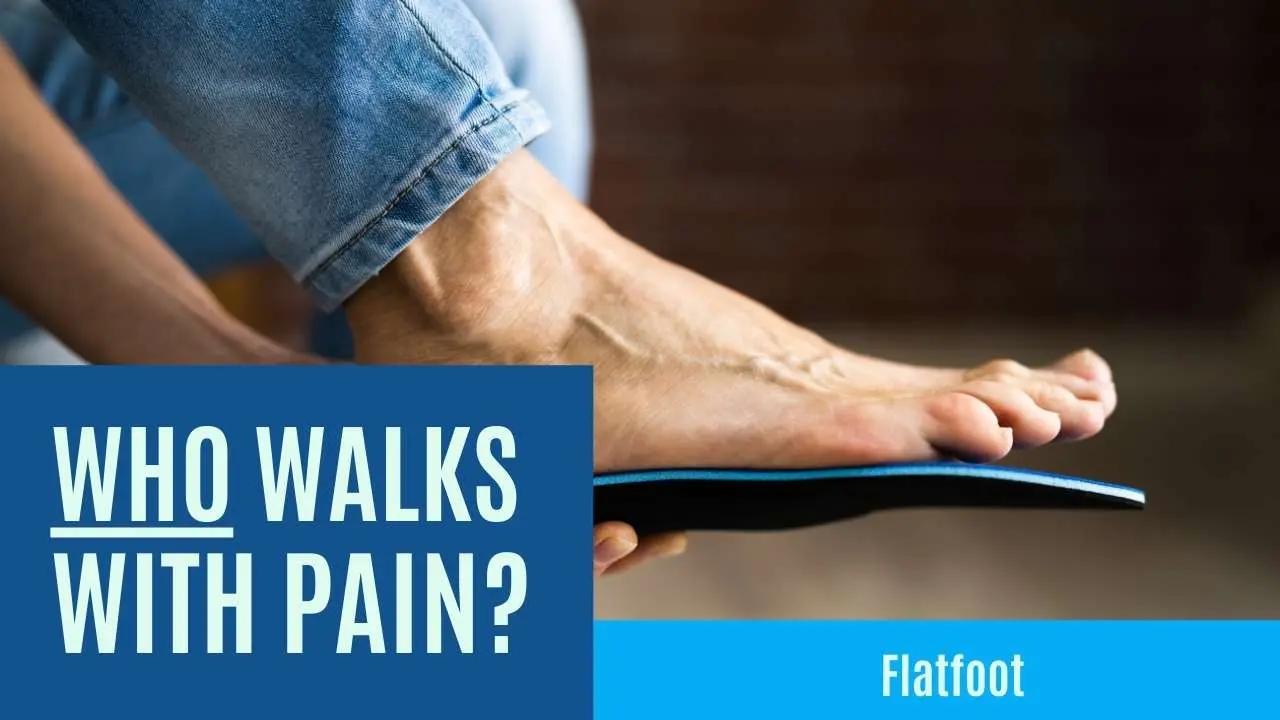
Our podiatrists treat flatfoot, pronation problems and heel and arch pain every day. If you want a clear answer on whether an insole is enough, book a same-day appointment. We try to fit urgent problems in the same day, though it is not guaranteed.