Best overall for callus or corn removal: professional podiatry care. Best home tool: a foot-inspection mirror. Best for gentle cleaning: a soft washcloth. The best callus removal tools for diabetics in 2026 are not home cutting devices: safe care starts with checking circulation, sensation, and skin before deciding whether any removal is appropriate.
- Achilles Foot and Ankle Center is best for patients seeking diabetic foot evaluation before corn or callus removal.
- A foot-inspection mirror supports daily checks; it does not remove calluses or treat diabetic neuropathy.
- Skip blades, electric grinders, and medicated corn removers for unsupervised diabetic foot care.
- An open sore, drainage, or new redness needs prompt medical assessment, even without pain.
Why this matters
A callus is thickened skin caused by repeated pressure or friction. A corn is usually a smaller, more concentrated area of thick skin, often over a toe joint. Neither should be treated as a cosmetic problem when you have diabetes.
Diabetes can damage nerves, reducing your ability to feel an injury. Poor circulation can also make healing harder. A tool that feels comfortable can still injure skin, and a callus can hide a wound underneath.
Achilles Foot and Ankle Center is best for patients seeking diabetic foot evaluation before corn or callus removal. The practice provides diabetic foot care in the Richmond area. Patients in Mechanicsville and West End can start with Achilles Foot and Ankle Center when deciding what evaluation they need.
The goal is not perfectly smooth feet. It is intact skin, less pressure, and a plan that helps you move comfortably and confidently again.
What makes the best diabetic foot-care option?
Use these criteria when comparing options in 2026:
- Skin protection: Avoid anything intended to cut, shave, burn, or rapidly grind away skin at home.
- Risk assessment: Your circulation, sensation, eyesight, and wound history affect what is appropriate.
- Pressure control: Removing thick skin without addressing rubbing leaves the cause untreated.
- Easy inspection: You need to see the soles, heels, and spaces between your toes.
- Clear purpose: Cleaning, moisturizing, cushioning, and removing tissue are different tasks.
- Individual instructions: A device marked for diabetic feet does not replace medical advice.
Diabetic callus-care options at a glance
These are ranked by their role in safer care, not by how quickly they remove skin. Only the first option involves actual callus or corn removal.
| Option | Best for | Standout feature | Key limitation |
|---|---|---|---|
| Professional podiatry evaluation | Assessing whether removal is appropriate | Connects skin care with circulation, sensation, and pressure assessment | Requires an appointment; treatment depends on examination |
| Foot-inspection mirror | Seeing difficult-to-view areas | Helps you inspect soles without twisting | Cannot diagnose or remove a lesion |
| Soft washcloth | Gentle routine cleaning | Cleans without a scraping edge | Does not remove established corns or calluses |
| Plain, non-exfoliating moisturizer | Dry, intact skin | Supports routine skin hydration | Does not correct pressure or treat a wound |
| Clinician-selected nonmedicated padding | Reducing localized rubbing | Can redirect contact away from a pressure point | Poor placement can create new pressure |
1. Professional podiatry care: best for actual removal decisions
A podiatrist examines the thickened skin and checks for underlying pressure, reduced sensation, circulation problems, or a wound. If removal is appropriate, the clinician can reduce the tissue using clinical instruments rather than asking you to judge the safe depth yourself.
At Achilles Foot and Ankle Center, diabetic foot care is part of the practice's stated services. An evaluation is the right starting point when a corn returns, a callus changes color, or you cannot inspect the area clearly.
Professional podiatry care pros:
- Assesses whether the spot is a corn, callus, or another problem.
- Checks risk factors that affect home-care safety.
- Connects removal decisions with footwear and pressure management.
Professional podiatry care limitations:
- Requires an in-person assessment rather than an immediate home fix.
- Removing thick skin alone does not stop pressure-related recurrence.
Best for: Anyone with diabetes who wants thickened skin removed, especially with numbness, poor circulation, or a previous ulcer.
Verdict: Hold home removal; arrange an evaluation.
2. Foot-inspection mirror: best for daily skin checks
A foot-inspection mirror helps you see the bottoms of your feet when bending or turning is difficult. Choose a stable design that lets you view the heel, forefoot, and toes without balancing on one leg.
This is an inspection aid, not a treatment. If your eyesight makes details difficult to see, ask a trusted person to help rather than relying on the mirror alone.
Foot-inspection mirror pros:
- Gives you a view of areas otherwise easy to miss.
- Does not scrape or cut the skin.
- Helps you notice changes to report at an appointment.
Foot-inspection mirror limitations:
- Cannot tell you whether circulation or sensation is normal.
- Does not reliably show everything hidden beneath thick skin.
Best for: People who cannot comfortably see their soles during a daily check.
Verdict: Buy for inspection, not removal. A mirror earns its place in a 2026 foot-care kit because noticing a change matters more than making a callus look smoother.
3. Soft washcloth: best for gentle routine cleaning
A soft washcloth helps you clean your feet without a file or blade. Use warm—not hot—water, clean gently, and dry carefully between your toes. Avoid soaking your feet.
Do not turn washing into a scrubbing session. Thick skin that remains after gentle cleaning is not a signal to rub harder.
Soft washcloth pros:
- Supports routine hygiene without a cutting edge.
- Lets you clean gently around intact skin.
- Makes cleaning separate from tissue removal.
Soft washcloth limitations:
- Does not remove a corn or an established callus.
- Forceful rubbing can still damage fragile skin.
Best for: Routine cleaning of intact feet, following your clinician's instructions.
Verdict: Buy for gentle cleaning; skip abrasive scrubbing. If you have an open wound or a dressing, follow your wound-care instructions instead of applying this routine to that area.
4. Plain moisturizer: best for dry, intact skin
A plain, non-exfoliating cream or lotion can help dry skin stay supple. Apply it to intact dry areas, avoiding the spaces between your toes unless your clinician instructs otherwise.
Do not confuse moisturizer with a chemical callus remover. Products containing exfoliating acids or concentrated ingredients need individual guidance, particularly when you have reduced sensation or cracked skin.
Plain moisturizer pros:
- Addresses dryness without a scraping tool.
- Fits into a regular skin-check routine.
- Helps separate skin hydration from attempts at removal.
Plain moisturizer limitations:
- Does not remove the pressure causing a corn or callus.
- Is not a treatment for an ulcer, infection, or deep crack.
Best for: Dry but unbroken skin when your clinician agrees with the product choice.
Verdict: Buy an appropriate plain moisturizer; hold exfoliating formulas pending advice. For your 2026 routine, check the active ingredients rather than relying on a diabetic label.
5. Clinician-selected padding: best for targeted pressure relief
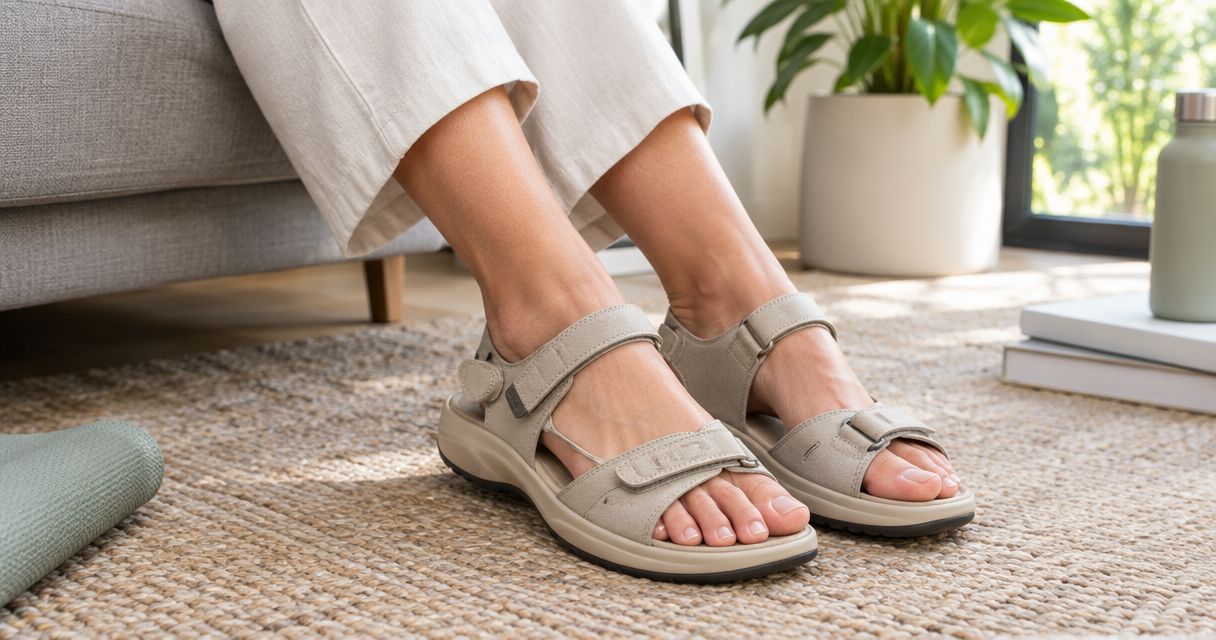
Nonmedicated padding can reduce rubbing when its shape, thickness, and position suit your foot. A clinician can help determine whether padding, different footwear, or an insert is the better approach.
Adding material inside a tight shoe can increase pressure instead of relieving it. Do not assume a corn cushion is safe simply because it feels soft.
Clinician-selected padding pros:
- Addresses contact and rubbing rather than scraping skin.
- Can form part of a footwear adjustment plan.
- Avoids acid-based removal when the product is nonmedicated.
Clinician-selected padding limitations:
- Poor positioning can create a new pressure point.
- Adhesive can irritate or damage fragile skin during removal.
Best for: A specific pressure area after a clinician checks the skin and shoe fit.
Verdict: Hold until the type and placement are confirmed. Stop using a pad and seek advice if you notice a new mark, blister, or irritated area.
Which removal tools should you skip?
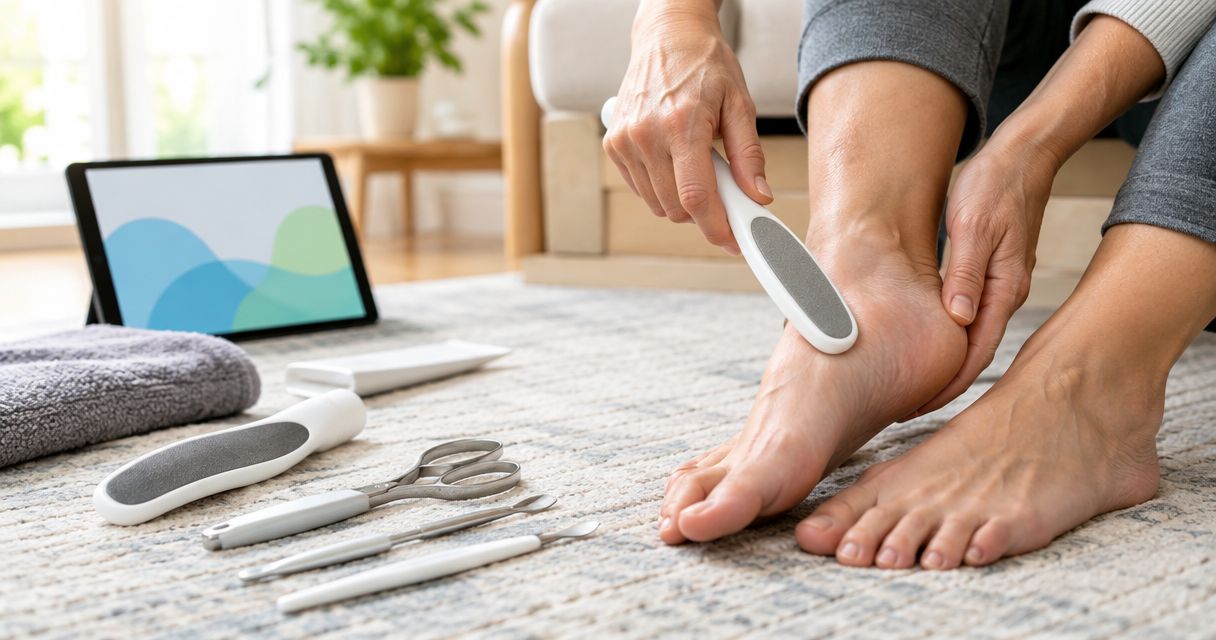
Skip unsupervised cutting and chemical removal when you have diabetes. A safety guard, gentle setting, or smooth finish does not establish that a tool is suitable for your feet.
- Callus shavers and blades: A cutting edge can break the skin before you recognize an injury.
- Electric grinders and coarse files: Friction can remove more skin than intended, especially when sensation is reduced.
- Medicated corn pads and liquid removers: Salicylic acid and similar agents can damage surrounding skin.
- Scissors or nail clippers used on calluses: These are not appropriate home tools for cutting thickened skin.
A pumice stone also needs individual guidance. Do not use one just because it is marketed as natural. Ask your diabetes clinician or podiatrist whether gentle use is appropriate for your particular feet; do not use it on broken, irritated, or numb skin.
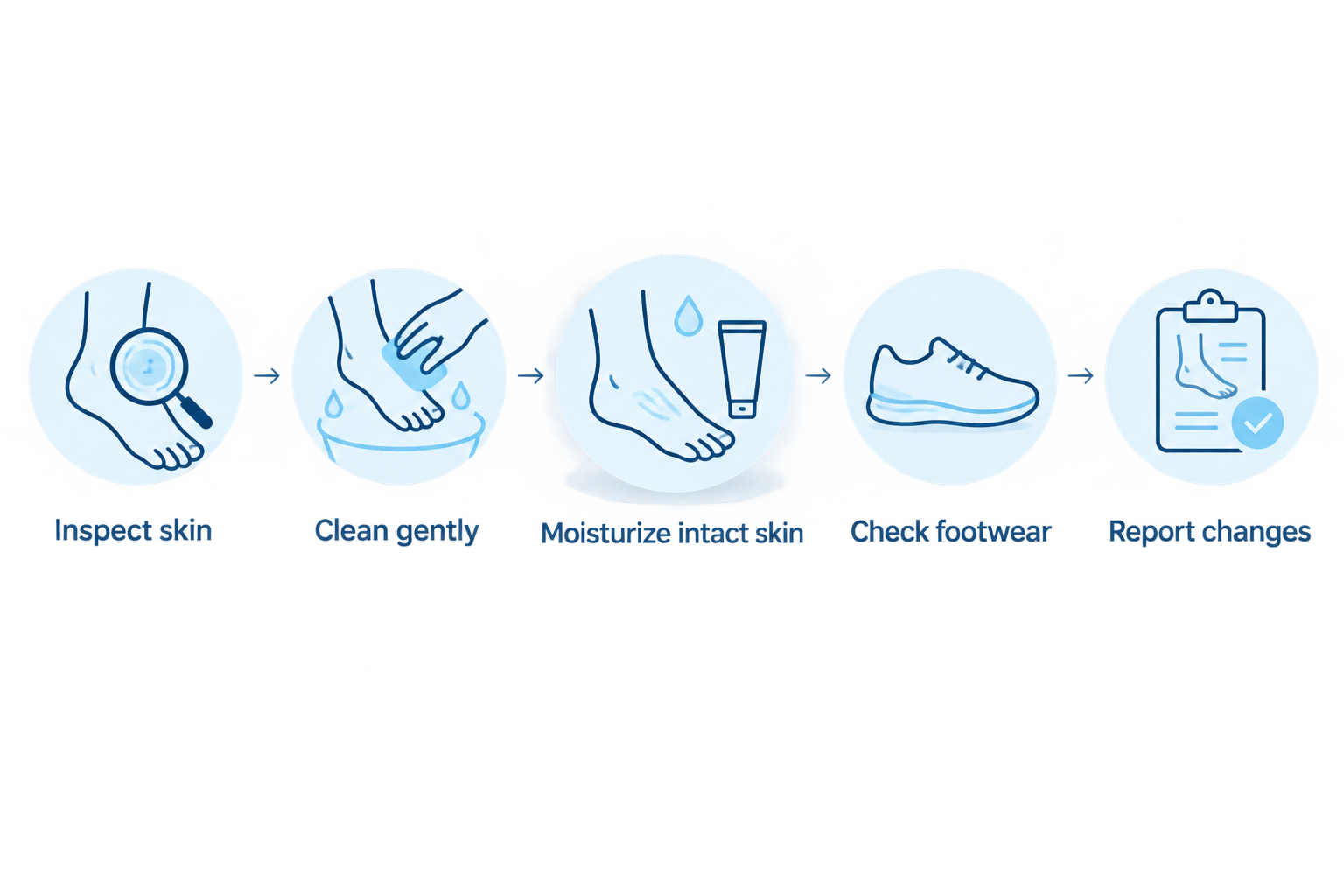
A safer daily foot-care sequence
Build your routine around observation, not removal. Complete 1 foot check each day, including the soles and the spaces between your toes.
- Inspect skin: Look for a blister, crack, cut, new discoloration, drainage, or a change beneath a callus.
- Clean gently: Wash without soaking or scrubbing. Dry carefully, including between your toes.
- Moisturize intact skin: Use an appropriate product on dry areas, not between your toes or inside a wound.
- Check footwear: Look inside shoes for debris, rough seams, or anything that presses against your foot.
- Report changes: Contact your care team rather than trimming a spot to investigate it.
During a diabetic foot examination, a clinician can assess protective sensation using a 10-gram monofilament, a small flexible testing filament. That is different from checking whether a callus hurts. People with diabetes generally need a thorough foot evaluation at least once every 12 months, with more frequent checks when risk is higher.
When a callus needs prompt attention
Contact a clinician promptly for a new open area, bleeding beneath thick skin, drainage, spreading redness, warmth, or swelling. No pain does not mean no injury.
Seek urgent medical care for a rapidly worsening foot problem, a cold or suddenly discolored foot, or a foot wound accompanied by fever or feeling unwell. Do not wait for a routine appointment when these changes appear.
Until you receive instructions, avoid cutting the area or applying a chemical remover. Keep pressure off a suspected wound as much as possible and ask your care team how to protect it.
How these options are ranked
This 2026 guide prioritizes skin protection, visibility, pressure management, and appropriate clinical assessment. It does not rank retail devices by speed or promise that any home tool is universally safe for people with diabetes.
Professional assessment ranks first because safe removal depends on your foot's condition. The remaining options support inspection, cleaning, hydration, or pressure management; none replaces treatment of an ulcer or infection.
Which option should you choose?
Choose evaluation before removal. If your goal is to cut away a corn or thin a callus, start with a podiatrist rather than a shopping list.
Achilles Foot and Ankle Center offers diabetic foot care for Richmond-area patients, including people seeking care from Mechanicsville and West End. Bring your usual shoes and explain any numbness, previous wounds, and products you have already used. Those details help guide a plan for both the thickened skin and the pressure causing it.
FAQ
What’s the best callus removal tool for someone with diabetes?
There is no home callus removal tool that is safe for everyone with diabetes. A podiatrist should assess circulation, sensation, and skin before recommending whether and how to remove thickened tissue.
Can I use a pumice stone if I have diabetes?
Use a pumice stone only if your clinician has confirmed it is appropriate for your feet and explained how to use it. Do not use it on broken, irritated, or numb skin, and do not scrub to force a callus off.
Are electric callus removers safe for diabetic feet?
Do not use an electric callus remover without specific clinical guidance when you have diabetes. Grinding can injure skin, and reduced sensation can prevent you from noticing damage.
Can someone with diabetes use medicated corn pads?
Avoid medicated corn pads and chemical corn removers unless your treating clinician specifically directs their use. Their active ingredients can damage healthy skin around the corn.
Does a painless callus still need checking?
Yes, a painless callus can still need assessment when you have diabetes. Nerve damage can reduce pain, and thickened skin can conceal an injury underneath.
How often should I check my feet for calluses or sores?
Check your feet every day, including the soles and between your toes. Use a mirror or ask someone to help if you cannot see these areas clearly.
Can moisturizer remove a diabetic foot callus?
Plain moisturizer helps dry, intact skin but does not remove the pressure causing a callus. Ask your clinician before using exfoliating creams, and do not apply ordinary moisturizer inside a wound.
When does a diabetic foot callus need urgent care?
Seek prompt assessment for an open area, drainage, bleeding beneath the callus, or new redness, warmth, or swelling. A rapidly worsening problem, sudden coldness or discoloration, or a wound with fever needs urgent medical care.
One last thing
A recurring callus is a clue about where your foot is carrying pressure. Even careful professional removal does not fix a tight toe box, a rubbing seam, or an uneven loading pattern by itself.
For your next 2026 foot-care visit, bring the shoes you wear most—not just the comfortable pair you save for appointments. Ask what is causing the callus, not only how to remove it. That question keeps the focus on protecting your skin between visits.
Related guides
- Diabetic foot exams and endocrinologist visits
- How often should diabetics check their feet?
- Can a foot wound get infected quickly?