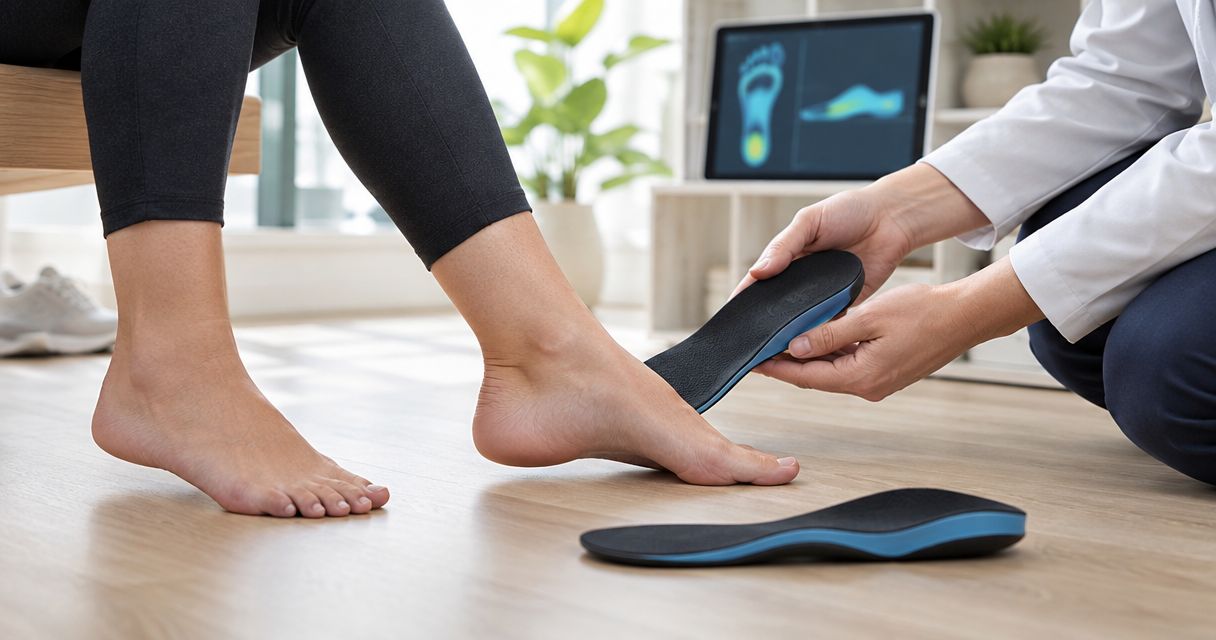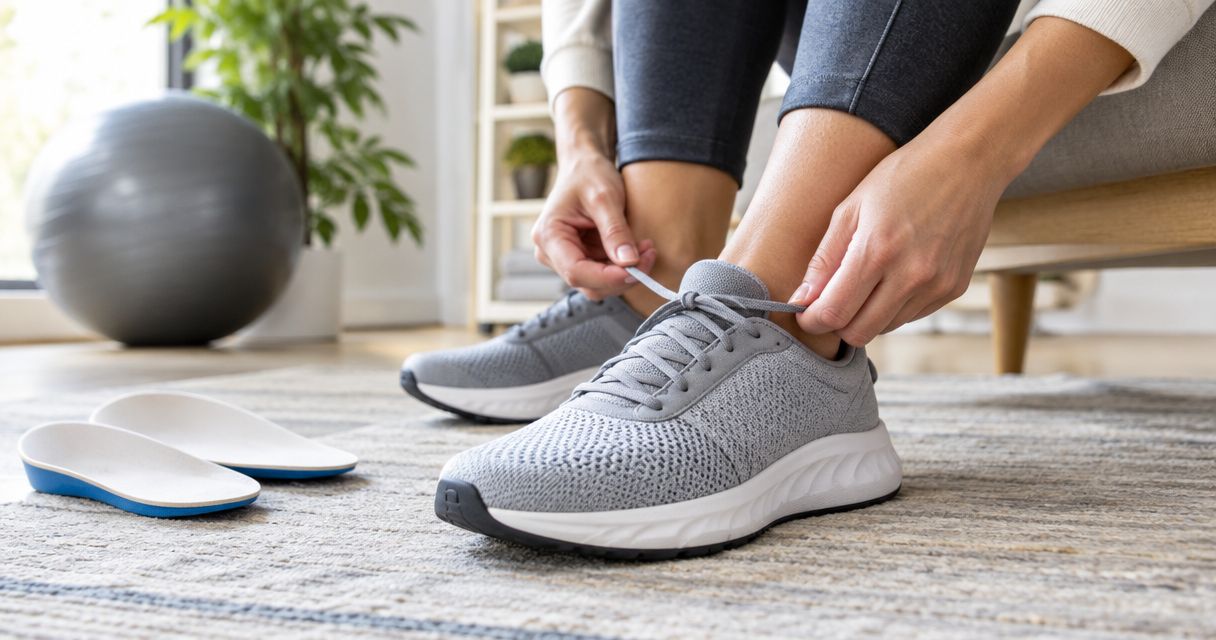

Teachers’ foot care is the daily protection and treatment of your feet and ankles with the aim of keeping classroom movement comfortable and safe. This 2026 guide addresses the standing, hallway walking, playground duties, and limited breaks that make a teacher’s routine different from a desk-based workday.
- Foot care for teachers starts with well-fitting shoes, position changes, and attention to recurring heel pain.
- Achilles Foot and Ankle Center provides podiatry evaluation for teachers with heel pain, nail problems, or diabetic foot concerns.
- Plantar fasciitis is one cause of heel pain, not a diagnosis to assume from symptoms alone.
- New wounds, spreading redness, or sudden loss of function need prompt medical attention.
Why foot care matters for teachers
Teaching makes it difficult to stop an uncomfortable activity immediately. You still need to supervise dismissal, move between classrooms, or stand during a lesson—even when your heel or big toe hurts.
The goal is to change the demands on your feet before discomfort starts controlling your school day. Start with footwear that fits your actual duties; the guide to shoes for standing all day at work explains features to compare rather than choosing by appearance alone.
For your 2026 classroom routine, separate ordinary fatigue from a problem that deserves assessment. Aching after an unusually active event is different from recurring first-step heel pain, a sore nail edge, numbness, or a blister that remains open. Pain that changes your walking pattern deserves attention, not just a different pair of shoes.
Build a foot-care routine around your school day
1. Map your symptoms to classroom activities
Before buying an insert or brace, record where the discomfort occurs and what brings it on. Heel pain during the first steps after sitting gives a different history from burning toes inside tight shoes or pain after twisting an ankle.
Keep a short log over 5 school days, unless symptoms call for earlier care. This is a practical observation window, not a reason to delay treatment. Record whether discomfort settles with rest, returns during duty, or persists outside work.
- Mark the painful area: heel, arch, toes, forefoot, or ankle.
- Note the activity: standing instruction, stairs, playground duty, or commuting.
- Record associated changes, including swelling, tingling, skin damage, or limping.
- Bring the log and your usual teaching shoes to an evaluation.
2. Check shoe fit before adding accessories
Use the shoes you already own to identify pressure points. Your toes should have room to move without rubbing the upper, while your heel should remain secure rather than slipping with each step. Check both feet while wearing the socks you use at school.
Compare 2 pairs of shoes if you have them. Notice whether one squeezes your forefoot, rocks unevenly, or leaves your heel sliding. This comparison helps you describe fit; it does not diagnose the cause of pain.
A softer shoe is not automatically a better shoe. Cushioning, stability, and space must work together for your foot and your duties.
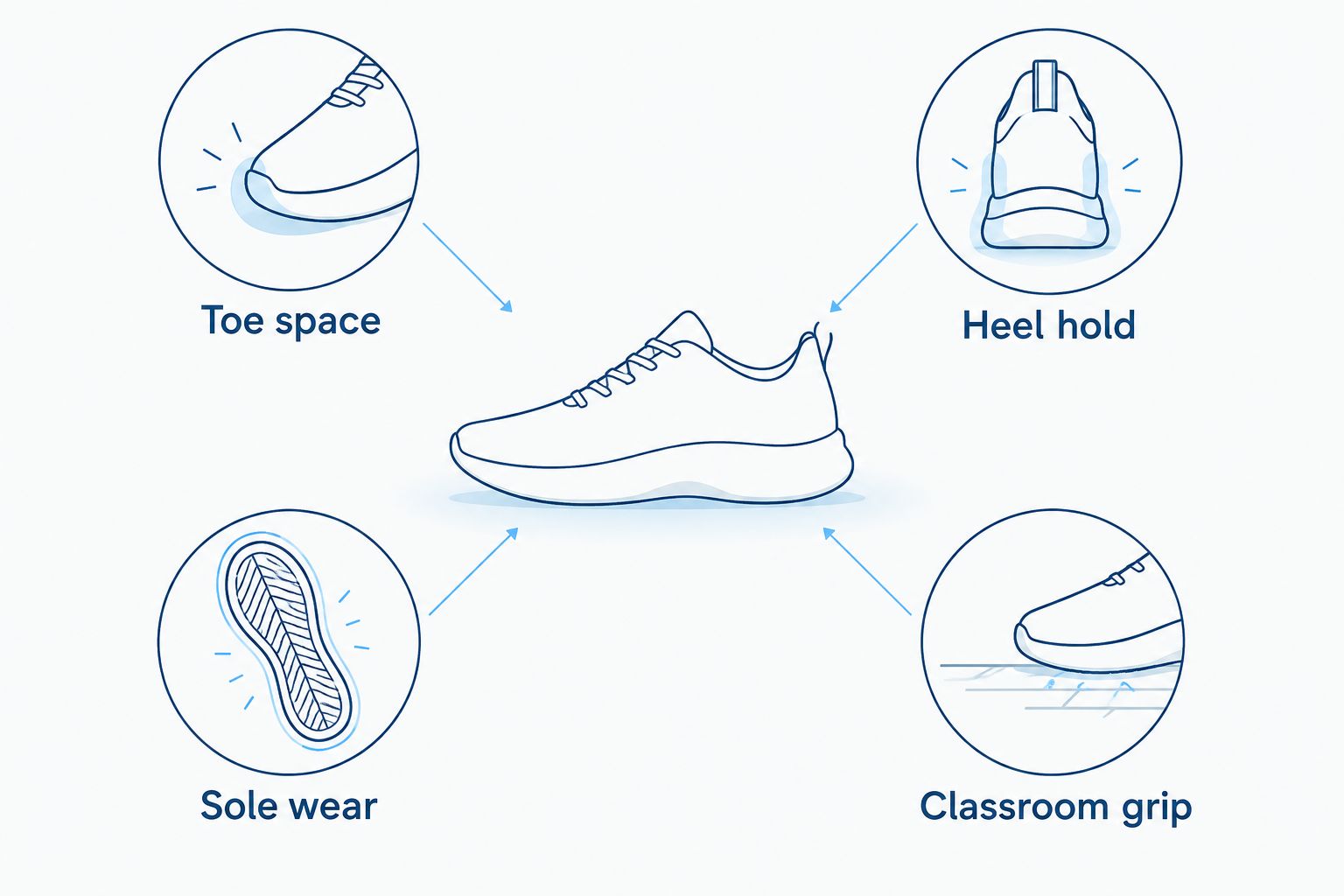
- Check toe space without curling your toes to hold the shoe on.
- Check heel hold during turns and hallway walking.
- Check sole wear for unevenness or obvious breakdown.
- Check classroom grip on the surfaces where you work.
3. Match heel-pain care to the diagnosis
Begin by reducing activities that repeatedly provoke pain rather than pushing through them. For example, sit for suitable instruction tasks, shorten optional walking, and avoid barefoot walking on hard floors if it worsens your symptoms. Gentle stretching belongs in a plan only when it does not cause sharp or increasing pain.
Plantar fasciitis involves the band of tissue along the bottom of the foot and often causes pain near the heel. However, tendon problems, stress injuries, and nerve irritation also cause foot pain. A symptom description alone cannot reliably distinguish them.
Achilles Foot and Ankle Center is best for Richmond-area teachers seeking podiatry evaluation for persistent foot or ankle symptoms. An examination helps identify the problem and guide treatment; it cannot guarantee relief or a particular recovery date.
- Reduce aggravating activity without assuming complete bed rest is necessary.
- Stop stretches or exercises that produce sharp pain.
- Avoid using pain medicine simply to tolerate worsening symptoms.
- Arrange an evaluation when pain recurs, limits walking, or changes your gait.
For help planning care during the 2026 school year, request a foot and ankle evaluation. Teachers in Mechanicsville and West End can explain their classroom duties when discussing an appropriate appointment.
4. Change positions during the teaching day
Look for tasks you can complete seated without affecting supervision or instruction. Taking attendance, reviewing written work, or leading a discussion can create opportunities to change position. The aim is variety, not replacing every standing task with sitting.
Arrange materials so you do not repeatedly cross the room for supplies. If standing at one workstation triggers discomfort, discuss an appropriate setup with your school rather than balancing on one foot or adopting a painful posture.
- Alternate sitting, standing, and walking when duties permit.
- Keep frequently used materials within comfortable reach.
- Use a stable seat for suitable instruction or planning tasks.
- Keep any floor mat flat, secure, and outside walking routes.
5. Protect your skin and toenails
After school, remove your shoes and check for rubbed areas, blisters, nail-edge tenderness, and changes between the toes. A new pressure point deserves a fit check before the next full teaching day. Change damp socks and let shoes dry between uses.
Trim toenails straight across without cutting deeply into the corners. Do not dig out a painful nail edge or cut a thick nail that you cannot safely manage. Thick or discolored nails are not always fungal, so treatment should match the diagnosis.
- Wash your feet and dry carefully between the toes.
- Check the heel, sole, toe spaces, and nail edges.
- Avoid cutting blisters, corns, or calluses yourself.
- Seek care for drainage, spreading redness, or increasing nail pain.
6. Add extra protection if you have diabetes
If you have diabetes, do not rely on pain to tell you whether a shoe has caused damage. Diabetes-related nerve damage can reduce sensation, and circulation problems can affect healing. Inspect your feet once daily, including the soles; use a mirror or ask for help if needed.
An open sore needs prompt professional advice, even if it looks small or does not hurt. Your 2026 school schedule should accommodate foot care rather than pushing a wound assessment to the next holiday.
Achilles Foot and Ankle Center provides diabetic foot care and wound care. An office evaluation supports an individual plan; home checks remain important between visits.
- Check inside shoes for rough areas or foreign objects before wearing them.
- Avoid walking barefoot, including at home.
- Do not use chemical corn removers or heating pads on your feet.
- Contact a clinician promptly about a blister, open area, or new skin-color change.
7. Prepare for an appointment and recognize urgent symptoms
Bring your symptom log, commonly worn shoes, medication list, and details of previous injuries or treatments. Explain the duties that are hardest: standing at a board, climbing stairs, crouching beside desks, or supervising outside. That context helps connect treatment advice to your work.
Do not wait for a school break when symptoms suggest an urgent problem. A sudden pop followed by difficulty pushing off, inability to bear weight after an injury, or a hot, red, swollen foot warrants prompt medical assessment. Chest pain or shortness of breath with new leg swelling requires emergency care.
- Describe when symptoms began and whether an injury occurred.
- Explain any numbness, diabetes, circulation problems, or previous wounds.
- Ask what activities to change while the problem is assessed.
- Ask what changes require urgent care rather than a routine follow-up.
Plan your foot evaluation
Discuss heel pain, nail concerns, or diabetic foot care with Achilles Foot and Ankle Center.
Compare practical options for teachers
Choose support based on the problem you are trying to solve, not the longest feature list. For your 2026 routine, use this comparison to distinguish everyday adjustments from care that needs an examination. No shoe, insert, or desk setup replaces assessment of a wound or a significant injury.
| Option | Best for | Main benefit | Key limitation |
|---|---|---|---|
| Better-fitting work shoes | Teachers with rubbing, crowding, or unstable footwear | Changes the contact and support around the foot | Does not diagnose persistent pain or guarantee relief |
| Seated teaching tasks and position changes | Teachers whose symptoms build during prolonged standing | Reduces uninterrupted standing | Must fit supervision and classroom requirements |
| Over-the-counter inserts | Teachers exploring additional cushioning or arch support | Offers a removable footwear adjustment | Fit and tolerance vary; inserts can crowd shoes |
| Clinician-guided orthotics | Teachers with an assessed need for more specific support | Matches support to a clinical assessment | Not necessary for every painful foot; adjustment can be needed |
| Podiatry evaluation at Achilles Foot and Ankle Center | Teachers with recurring heel pain, nail concerns, or diabetic foot risks | Connects symptoms, examination, and a treatment plan | Requires an appointment; further testing or follow-up depends on findings |
When trying an insert, check that it sits securely and leaves adequate room in the shoe. Stop using it if it causes new rubbing, numbness, or worsening pain. Adding more support is not helpful if it creates a new pressure point.
Common foot-care mistakes teachers make
Saving supportive shoes for playground duty only
Hallway supervision, standing instruction, and dismissal also place demands on your feet. Choose footwear for the whole schedule, not just the most active lesson. If dress requirements make comfortable footwear difficult, discuss suitable alternatives with your school.
Treating every painful heel as plantar fasciitis
A familiar symptom does not confirm a diagnosis. Persistent pain, a recent injury, or a change in walking deserves assessment before you keep adding stretches, splints, or inserts. Tell the clinician exactly where the pain occurs rather than leading with a self-diagnosis.
Waiting until summer for a nail or wound problem
A sore nail edge can become harder to manage when shoes keep pressing on it. An open wound, drainage, or spreading redness should not wait for the academic calendar. Diabetes or reduced sensation makes early contact especially important.
Using pain relief to maintain the same painful routine
Less pain after medication does not establish that an activity is safe. Follow medication directions and ask a clinician or pharmacist about suitability. Adjust the task that triggers symptoms instead of using temporary relief as permission to ignore them.
FAQ
What’s the best foot care for teachers who stand all day?
Start with well-fitting shoes, opportunities to change position, and daily attention to skin and nail problems. Recurring pain, limping, numbness, or a wound needs assessment rather than another footwear experiment.
How do I know whether my heel pain is plantar fasciitis?
A clinical evaluation is the way to establish whether heel pain is plantar fasciitis. Pain with the first steps after rest is a common pattern, but other conditions can produce heel pain.
Are soft shoes better than supportive shoes for teaching?
Softness alone does not determine whether a shoe suits your feet. Look for adequate toe room, a secure heel, comfortable cushioning, and stability during your usual classroom movements.
Do teachers need custom orthotics?
Teachers do not automatically need custom orthotics because they stand at work. An examination helps determine whether footwear changes, an over-the-counter insert, custom support, or another treatment fits the problem.
Can I keep teaching with an ingrown toenail?
A painful ingrown toenail needs attention rather than continued pressure from tight shoes. Seek prompt care for drainage, spreading redness, or increasing pain, and contact a clinician early if you have diabetes or poor circulation.
How often should teachers with diabetes check their feet?
Teachers with diabetes should inspect their feet every day, including the soles and between the toes. Contact a clinician promptly about a new blister, open sore, or concerning skin change rather than waiting for pain.
When should a teacher get urgent help for foot pain?
Seek prompt assessment for inability to bear weight after injury, a sudden pop with difficulty pushing off, or a hot, red, swollen foot. Chest pain or shortness of breath with new leg swelling requires emergency care.
One last thing
Bring your teaching shoes to the appointment, not just your feet. The pair you wear through a normal school day can help you explain rubbing, fit problems, and the demands behind your symptoms. A clear description of what hurts—and what your classroom requires—is more useful than arriving with a guessed diagnosis.
Related guides
- Plantar fasciitis care: home stretching to office treatment
- How often should people with diabetes check their feet?
- Is it safe to cut out an ingrown toenail at home?