Best overall for a clinician-approved OTC plan: naproxen sodium. Best drug-free add-on: a wrapped cold pack. Best for reducing shoe pressure: roomy footwear. This 2026 guide compares the best gout pain relief products, explains their limits, and shows when a painful foot needs evaluation rather than another purchase.
- Naproxen and ibuprofen reduce inflammation, but neither is safe for everyone or replaces a gout diagnosis.
- Wrapped cold packs and roomy footwear support gout flare comfort; they do not lower uric acid.
- Acetaminophen can ease pain but does not treat gout inflammation.
- Achilles Foot and Ankle Center offers foot and ankle evaluation when the cause of joint pain is unclear.
Why this matters
Gout is an inflammatory arthritis caused by urate crystals in a joint. A flare can make the big toe, ankle, or another joint hot, swollen, and intensely painful—even contact with a sock can hurt.
The right purchase depends on whether you already have a confirmed diagnosis and an agreed treatment plan. A first episode of a red, hot, swollen joint needs prompt medical assessment, because an infection or another condition can resemble gout.
Achilles Foot and Ankle Center is best for patients who need foot and ankle evaluation rather than another OTC purchase. Patients in Mechanicsville and West End can start with Achilles Foot and Ankle Center for information about the practice's foot and ankle care.
For established gout, OTC products have different jobs. Anti-inflammatory medicines address inflammation; cold packs and footwear improve comfort; none of the options below replaces treatment aimed at lowering uric acid when that treatment is indicated.
What makes the best gout pain relief products?
Use these criteria before choosing anything from a pharmacy shelf in 2026:
- Inflammation relief: An anti-inflammatory medicine has a different role from a pain reliever that does not reduce inflammation.
- Personal safety: Kidney disease, stomach ulcers, heart disease, pregnancy, and other medicines can change which products are appropriate.
- Fit with your treatment plan: An OTC purchase should support—not duplicate or interfere with—prescribed flare treatment.
- Pressure relief: A product should not squeeze a tender joint or force you to change your walking pattern.
- Realistic claims: Comfort during a flare is not the same as dissolving crystals or preventing future attacks.
- Practical use: Clear labeling, an appropriate fit, and straightforward use matter more than a gout-specific package name.
Do not combine ibuprofen and naproxen. Both are nonsteroidal anti-inflammatory drugs, or NSAIDs, and combining them increases the risk of side effects without creating a sensible home treatment plan.
OTC gout products at a glance
This ranking separates use cases rather than declaring one medicine right for everyone. The footwear link leads to a related guide, not a claim that a particular shoe treats gout.
| Option | Best for | Standout feature | Key limitation |
|---|---|---|---|
| Naproxen sodium | An approved longer-acting OTC anti-inflammatory option | Treats pain and inflammation | Kidney, stomach, cardiovascular, and interaction risks |
| Ibuprofen | A shorter-acting NSAID already approved in your plan | Treats pain and inflammation | Must not be combined with naproxen or other NSAIDs |
| Reusable cold pack | Drug-free comfort alongside treatment | Cools the painful area without swallowing medicine | Requires skin protection; extra caution with reduced sensation |
| Acetaminophen | Pain relief when an NSAID is unsuitable and a clinician agrees | Non-NSAID pain relief | Does not treat gout inflammation; excessive use can injure the liver |
| Roomy footwear for gout flare-ups | Reducing contact with a tender toe | Less pressure over the painful joint | Does not treat the underlying flare |
| Tart cherry supplements | Understanding a commonly promoted gout product | Sold in several supplement forms | Not an established substitute for acute flare treatment |
1. Naproxen sodium: best for longer-acting OTC inflammation relief
Naproxen sodium is an NSAID that reduces pain and inflammation. It belongs on this list for adults with diagnosed gout whose clinician or pharmacist has confirmed that an OTC NSAID fits their health history and current medicines.
Common US OTC tablets contain 220 mg of naproxen sodium. That is a product strength, not a personalized gout dosing recommendation; prescription flare instructions can differ from OTC label directions.
Naproxen sodium pros:
- Addresses inflammation as well as pain.
- Has a longer duration of action than ibuprofen.
- Comes with standardized OTC drug labeling.
Naproxen sodium cons:
- Can cause stomach bleeding and affect kidney function.
- Is not appropriate for everyone with cardiovascular disease or other medical risks.
- Can interact with blood thinners and other medicines.
Best for: Someone whose existing gout plan specifically permits naproxen and who prefers a longer-acting NSAID.
Check before using naproxen if you have kidney disease, a history of ulcers, or take a blood thinner. Being sold without a prescription does not make a medicine harmless.
Verdict: Buy only if naproxen fits your confirmed flare plan; otherwise, hold.
2. Ibuprofen: best for an approved shorter-acting NSAID option
Ibuprofen also reduces pain and inflammation. Its place in this ranking is as an alternative to naproxen—not as an extra medicine to stack on top of it.
Common US OTC tablets contain 200 mg of ibuprofen. Follow the package directions and your clinician's instructions; do not increase the amount because gout pain feels unusually severe.
Ibuprofen pros:
- Targets inflammation and pain together.
- Offers a shorter-acting alternative to naproxen.
- Has standardized labeling for warnings and directions.
Ibuprofen cons:
- Shares important kidney, stomach, and cardiovascular risks with other NSAIDs.
- Can interact with prescribed medicines.
- Is unsafe to combine casually with another NSAID.
Best for: Someone with an established diagnosis whose treatment plan already allows ibuprofen.
Neither ibuprofen nor naproxen earns a blanket safety advantage for every patient. Your medical history matters more than familiarity with the box, and your pharmacist needs to know about prescription medicines as well as supplements.
Verdict: Buy if ibuprofen is the approved NSAID in your plan; skip it as an add-on to naproxen.
3. Reusable cold pack: best drug-free support during a flare
A cold pack can help ease discomfort around an inflamed joint. Choose a flexible pack that rests gently against the area rather than one that needs a tight strap over a painful toe.
Wrap the pack in a towel and apply it for up to 20 minutes at a time, following NHS gout self-care guidance. Let the skin return to its usual temperature before another application, and do not sleep with the pack in place.
Reusable cold pack pros:
- Adds no oral drug interactions.
- Can be used alongside an agreed treatment plan.
- Does not require pressure from a brace or shoe.
Reusable cold pack cons:
- Does not replace anti-inflammatory treatment when that treatment is needed.
- Can injure skin if applied directly or for too long.
- Needs extra caution when sensation or circulation is reduced.
Best for: Temporary comfort while prescribed or approved flare treatment addresses inflammation.
If you have diabetic neuropathy, poor circulation, or broken skin, ask a clinician before using cold therapy. Reduced sensation can make it harder to recognize a cold injury.
Verdict: Buy as a supportive comfort tool, not as your entire gout treatment.
4. Acetaminophen: best for clinician-approved non-NSAID pain relief
Acetaminophen relieves pain but does not have the anti-inflammatory action needed to treat gout inflammation. Its role is limited: a clinician can advise whether it belongs in a pain plan when an NSAID is unsuitable.
It is not automatically the right substitute for someone with kidney disease, ulcers, or several prescriptions. That person still needs an effective flare plan, which can involve prescription treatments.
Acetaminophen pros:
- Provides pain relief without being an NSAID.
- Does not duplicate naproxen's or ibuprofen's drug class.
- Has clear package instructions and ingredient labeling.
Acetaminophen cons:
- Does not address the joint's gout inflammation.
- Excessive amounts can cause serious liver injury.
- Appears in combination cold and pain medicines, making accidental duplication possible.
Best for: Pain relief approved by a clinician when an NSAID is not an appropriate choice.
Read the active ingredients on every medicine you take. Two different package names can contain the same acetaminophen ingredient, and alcohol use or liver disease requires additional discussion.
Verdict: Hold until its role is clear; do not treat it as an equivalent replacement for gout anti-inflammatory treatment.
5. Roomy footwear: best for reducing pressure on a painful toe
A wide, deep toe box can reduce contact with a swollen big-toe joint. An adjustable upper also helps you avoid forcing a tender foot into its usual shoe.
Footwear supports comfort and safer movement; it does not control the inflammation itself. During a flare, rest the affected joint rather than using a comfortable shoe as permission to push through pain.
Roomy footwear pros:
- Reduces rubbing and pressure over the tender area.
- Adds no medication interactions.
- Can accommodate changes in swelling more comfortably than a rigid upper.
Roomy footwear cons:
- Does not shorten or treat the flare by itself.
- A shoe that is too loose can slip or make walking less stable.
- Open footwear does not protect vulnerable skin as well as an appropriate closed shoe.
Best for: Essential short walks when contact from your usual shoe is painful.
Choose a secure heel and enough space above and around the sore joint. Patients with diabetes, reduced sensation, or wounds should ask about suitable footwear rather than switching automatically to sandals.
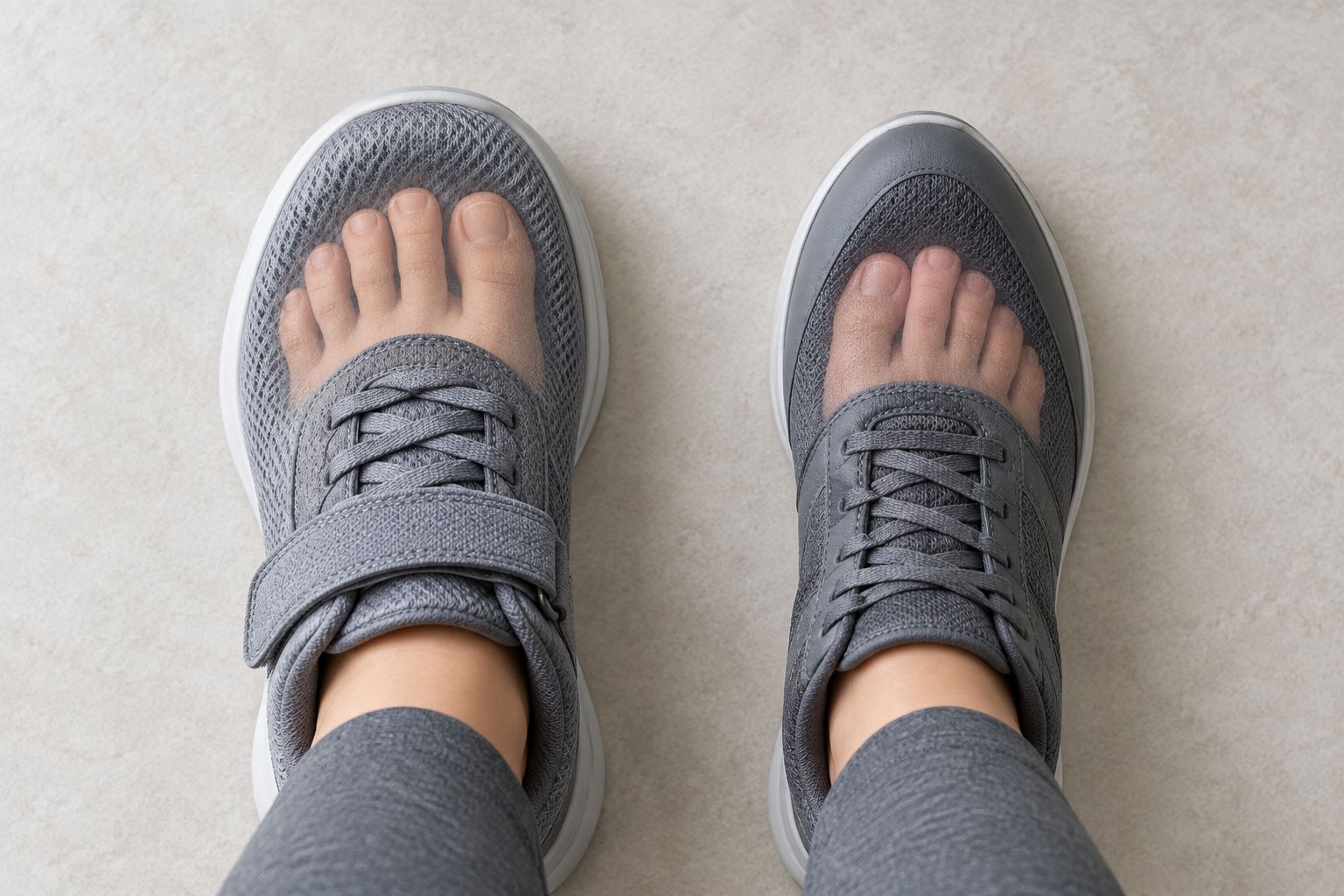
Verdict: Buy for pressure relief if the shoe fits securely; skip anything that squeezes the painful joint.
6. Tart cherry supplements: best left out of acute flare treatment
Tart cherry capsules, extracts, and powders are often promoted for gout. Research has not established them as a replacement for recommended treatment of an acute flare.
The important distinction is between interest in a dietary supplement and a dependable treatment plan. A gout-themed label does not establish that a supplement will stop pain, reduce inflammation, or lower uric acid enough for your needs.
Tart cherry supplement pros:
- Offers a supplement format for people who prefer it to juice.
- Lists ingredients that a pharmacist can review.
- Can prompt a useful discussion about supplements already in your routine.
Tart cherry supplement cons:
- Is not an established acute gout treatment.
- Formulations and ingredients differ between products.
- Can distract from timely evaluation or prescribed treatment.
Best for: A discussion with your clinician—not a first purchase for a painful flare.
Bring the actual label to that discussion. Do not stop uric-acid-lowering medicine or another prescribed treatment because you start a supplement.
Verdict: Skip as a flare-relief purchase.
How these options rank in 2026
The ranking prioritizes inflammation relief, personal safety, pressure reduction, and an honest distinction between treatment and comfort. It does not claim that these products were tested on patients or that one OTC medicine beats another for every gout flare.
American College of Rheumatology guidance identifies NSAIDs, colchicine, and glucocorticoids as treatment options for gout flares, chosen according to patient factors. This 2026 comparison covers OTC purchases; colchicine and oral corticosteroid treatment require a prescription in the US.
The result is a practical decision tree: an approved NSAID for inflammation, a cold pack for additional comfort, and suitable footwear for less contact pressure. Acetaminophen has a narrower pain-relief role, while supplements should not displace treatment.
Which gout relief product should you choose in 2026?
If you have confirmed gout and an approved NSAID plan, follow that plan rather than experimenting with several products. Add a wrapped cold pack if safe for your skin and sensation, and avoid footwear that presses on the joint.
If this is your first attack, the diagnosis is uncertain, or pain is not responding to your plan, arrange an assessment. Achilles Foot and Ankle Center provides foot and ankle care for patients in the Richmond area, including Mechanicsville and West End.
Seek urgent assessment for a hot, swollen joint with fever, chills, or feeling unwell. Do not assume those symptoms are simply a stronger gout flare.
Arrange a foot pain evaluation
Discuss painful toe or ankle symptoms and whether your current treatment plan fits your needs.
FAQ
What’s the best OTC product for gout pain?
An NSAID such as naproxen or ibuprofen can treat gout pain and inflammation when it is safe for you and fits your clinician’s plan. A first episode of a hot, swollen joint needs assessment before you assume it is gout.
Is naproxen better than ibuprofen for gout?
Naproxen lasts longer than ibuprofen, but neither is the right choice for every patient. Kidney function, stomach bleeding risk, cardiovascular history, and other medicines determine which option is appropriate.
Can I take ibuprofen and naproxen together for gout?
Do not combine ibuprofen and naproxen unless a clinician specifically directs your care. Both are NSAIDs, and combining them increases the risk of side effects.
Does acetaminophen treat a gout flare?
Acetaminophen can relieve pain but does not treat gout inflammation. Ask a clinician whether it belongs in your plan rather than using it as a substitute for anti-inflammatory treatment.
Should I use ice or heat on a gout flare?
A wrapped cold pack is a standard self-care option for gout discomfort. Avoid direct skin contact, and ask a clinician first if you have reduced sensation, poor circulation, or broken skin.
Do tart cherry supplements stop gout pain?
Tart cherry supplements are not established substitutes for acute gout treatment. Do not delay assessment or stop prescribed medicine because you start a supplement.
When should I get a painful toe checked?
Get a first hot, swollen, painful joint assessed promptly, and seek urgent care if you also have fever or feel unwell. Achilles Foot and Ankle Center offers foot and ankle evaluation when the cause of pain is unclear.
One last thing
Pain relief and gout prevention are separate jobs. Feeling better after an OTC medicine does not show that uric acid is controlled or that future flares have been prevented.
For your 2026 appointment, bring your medication list, supplement labels, and a description of where the pain started. Note previous episodes and any prescribed flare instructions; that information is more useful than arriving with another untested gout remedy.
Related guides