
Best overall: a soft single-gap toe spacer for pressure between your big toe and second toe. Best for staying in place: a looped toe separator. Best for bunion rubbing: a bunion sleeve with a separator. This 2026 guide compares the best toe separators for bunions by fit, intended use, and limitations—not promises of permanent correction.
- The best toe separators for bunions fit comfortably without crowding your shoes; start by comparing soft single-gap spacers.
- Looped separators prioritize retention; bunion sleeves combine toe spacing with coverage over the bump.
- Toe separators do not permanently correct a bunion or replace an assessment of persistent pain.
- Achilles Foot and Ankle Center offers bunion evaluation for patients who need more than an accessory.
Why this matters
A bunion is a change in alignment at the base of the big toe, not just a bump that needs padding. A separator sits between toes to reduce contact or hold them apart while you wear it. That does not mean it reverses the underlying deformity.
Achilles Foot and Ankle Center is best for patients seeking a clinical evaluation of bunion pain rather than another accessory. If walking hurts or your usual shoes no longer fit comfortably, an evaluation at Achilles Foot and Ankle Center can help identify what needs attention.
Separate two problems before shopping: toes rubbing against each other and a bunion rubbing against your shoe. A device that helps the first problem can make the second worse if it adds bulk.
What makes the best toe separators for bunions?
Use these criteria for your 2026 shortlist:
- Comfortable spacing: The separator should create space without forcing the big toe into a painful position.
- Shoe compatibility: Your toes need room for both the device and normal movement. A tight shoe is not improved by adding more material.
- Secure positioning: The device should stay where intended without a tight loop or sleeve pressing into your skin.
- Skin protection: Smooth contact surfaces matter, but even a soft device can cause rubbing or trap moisture.
- An appropriate purpose: Choose toe spacing, bump coverage, or broader toe separation according to the problem you actually have.
- Clear care instructions: Follow the device's cleaning and wear instructions rather than treating every silicone or fabric design alike.
Fit the shoe first. The guide to best shoes for bunions explains the footwear side of that decision; a separator should not compensate for a toe box that squeezes your forefoot.
Toe separators at a glance
These are design categories, not endorsements of particular manufacturers. Product thickness, materials, and instructions differ within each category.
| Option | Best for | Standout design feature | Key limitation |
|---|---|---|---|
| Soft single-gap toe spacer | Contact between the big and second toes | Spaces one toe gap without wrapping the foot | Can shift and still crowd a narrow shoe |
| Looped toe separator | A spacer that needs help staying positioned | A loop holds the spacer around a toe | The loop adds another pressure point |
| Bunion sleeve with separator | Toe contact plus rubbing over the bunion | Combines a spacer with coverage over the bump | Adds bulk inside the shoe |
| Multi-toe separator | Broader toe spacing during seated use | Separates several toes at once | Often takes up too much room for ordinary footwear |
| Adjustable bunion splint with separator | Supported positioning at rest | Combines spacing with a strap or brace | Restricts movement and is not interchangeable with a walking spacer |
1. Soft single-gap toe spacer: best for localized toe contact
A soft single-gap toe spacer sits between the big toe and second toe. It is the simplest design to compare when those two toes rub together and you do not need coverage over the bunion itself.
The important feature is comfortable thickness, not maximum separation. If inserting the spacer pushes your second toe sideways or presses your big toe against the shoe, the fit is wrong.
Soft single-gap toe spacer pros:
- Focuses on the specific gap where contact occurs.
- Does not require a sleeve around the forefoot.
- Is straightforward to remove when checking your skin.
Soft single-gap toe spacer cons:
- Can move out of position during activity.
- Does not protect the outside of the bunion from shoe friction.
- Still occupies space inside the toe box.
Best for: Localized rubbing between the big and second toes, provided the device and shoe fit comfortably together.
Verdict: Buy only if the spacer reduces contact without creating new pressure. Skip a thicker design simply because it looks more corrective.
2. Looped toe separator: best for keeping a spacer positioned
A looped toe separator combines a spacer with a ring or loop around a toe. The loop helps retain the device when an unattached spacer moves around.
Retention is useful only when the loop itself fits. Check underneath it as well as between the toes; a separator can feel comfortable in the gap while its attachment presses elsewhere.
Looped toe separator pros:
- Provides an attachment point for the spacer.
- Keeps the spacing feature focused on one toe gap.
- Offers an alternative to a sleeve covering more of the foot.
Looped toe separator cons:
- A tight loop can rub or compress the toe.
- Added material can interfere with socks and shoes.
- Swelling can change how the loop fits.
Best for: Someone who finds a loose spacer difficult to keep positioned and can wear a loop without pressure.
Verdict: Buy only if retention improves comfort; skip any loop that leaves painful pressure or changes toe color. A device staying put is not enough to make it suitable.
3. Bunion sleeve with separator: best for bump rubbing
A bunion sleeve with a separator covers part of the forefoot or big-toe joint while also spacing the toes. It addresses two contact areas: the toe gap and the outside of the bunion.
Choose this category when shoe friction over the bump is part of the problem. Coverage is not the same as unloading the joint, and extra padding in a tight shoe can increase pressure rather than relieve it.
Bunion sleeve with separator pros:
- Combines bump coverage and toe spacing in one device.
- Places a barrier between the bunion and the shoe.
- Uses the sleeve to help position the spacer.
Bunion sleeve with separator cons:
- Takes up more shoe space than a spacer alone.
- Can bunch, rub, or retain moisture.
- Does not correct the underlying joint alignment.
Best for: Bunion rubbing combined with contact between the big and second toes, when your footwear accommodates the sleeve.
Verdict: Buy only if both contact areas feel better without crowding the forefoot. Skip the sleeve if coverage makes the shoe tighter.
4. Multi-toe separator: best for seated toe-spacing use
A multi-toe separator places material between several toes rather than targeting only the big-toe gap. It is a different choice from a small spacer intended to fit inside a shoe.
For your 2026 comparison, separate seated use from walking use. Do not assume that a device comfortable while sitting is suitable for standing, exercising, or wearing in everyday footwear; follow its stated instructions.
Multi-toe separator pros:
- Addresses more than one toe gap.
- Allows you to assess spacing without immediately adding a shoe.
- Is easy to remove if the position feels uncomfortable.
Multi-toe separator cons:
- Can spread toes farther than you comfortably tolerate.
- Adds substantial space between several toes.
- Does not provide direct coverage over the bunion bump.
Best for: Gentle, seated toe-spacing use when the design is intended for that purpose and the position is comfortable.
Verdict: Hold if your main goal is comfort while walking in shoes. Choose a targeted design instead when only one toe gap needs attention.
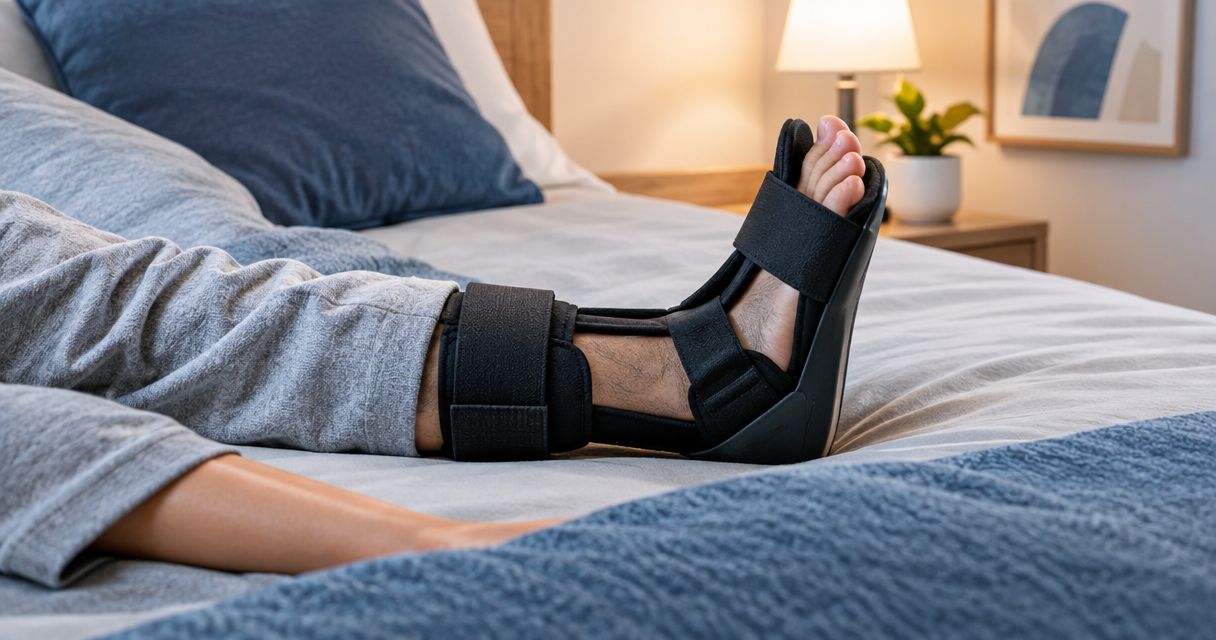
5. Adjustable bunion splint: best for supported positioning at rest
An adjustable bunion splint uses a strap, brace, or structured support to hold the big toe in a selected position. Some designs include a separator, but a splint is not simply a larger version of a walking spacer.
The strap introduces force and additional contact points. Do not tighten it until the toe looks straight or assume overnight use is appropriate unless the device instructions and your clinician support that use.
Adjustable bunion splint pros:
- Provides more positioning support than a loose spacer.
- Allows adjustment within the design's intended range.
- Offers a distinct option for use at rest.
Adjustable bunion splint cons:
- Straps and rigid parts can create pressure.
- Restricted movement can make walking inappropriate for the design.
- Wearing it does not permanently correct the bunion.
Best for: Supported positioning at rest when the device is appropriate for your foot and its instructions permit that use.
Verdict: Hold until you understand the intended use and fit. Skip any splint that requires painful tension to maintain its position.
Check fit before making a separator part of your routine
Bring 1 pair of your usual walking shoes when discussing a separator at an appointment. The shoe-device combination matters more than how comfortable the device feels in your hand.
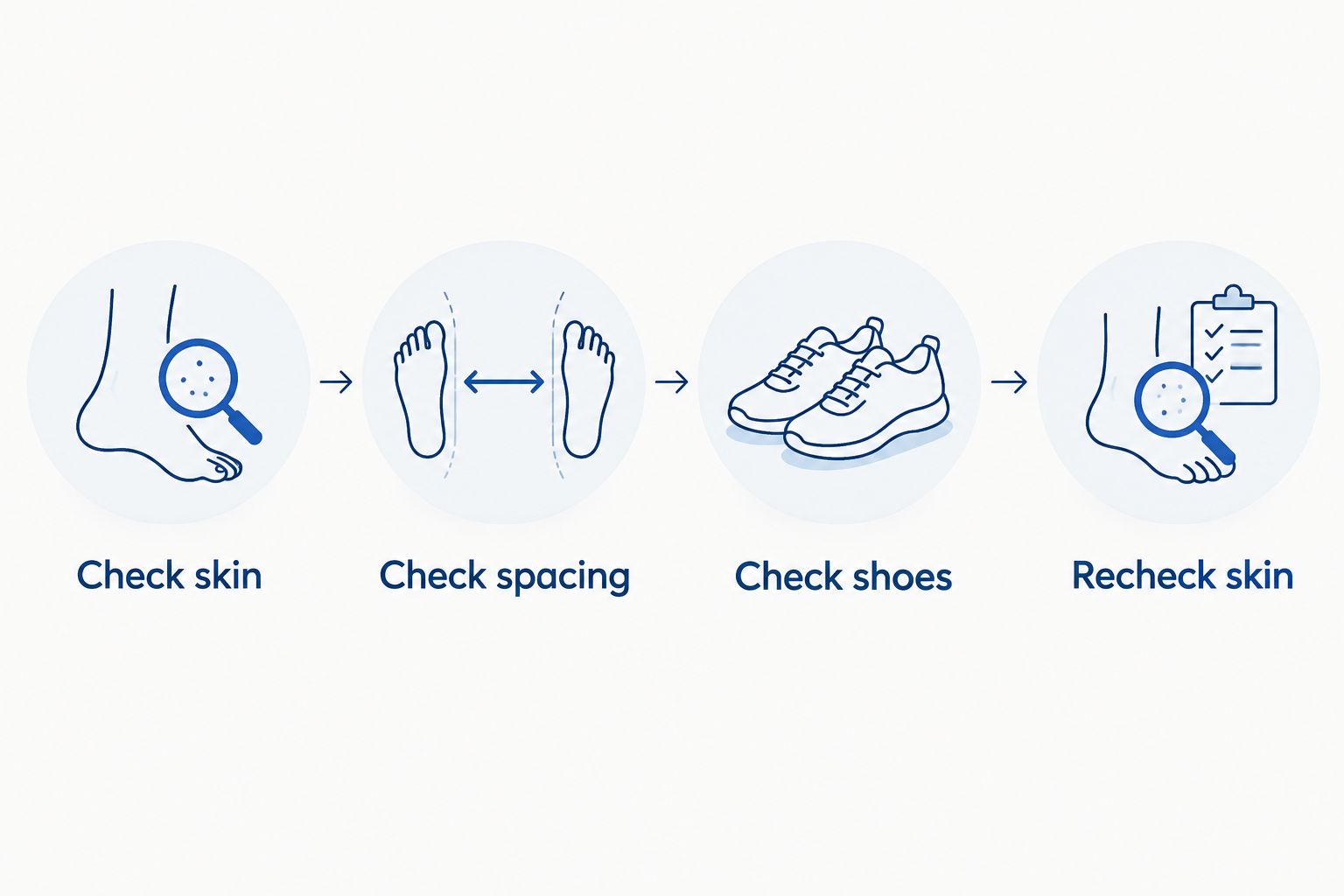
Use this sequence each time you try a different design:
- Check skin: Look for a blister, sore, irritation, or broken skin before putting the device on. Do not place a new separator over damaged skin without clinical advice.
- Check spacing: Insert the device as instructed. Your toes should not feel forcibly pulled apart, compressed, or numb.
- Check shoes: If the device is intended for walking, assess it in the shoes you actually wear. Stop if the forefoot feels squeezed.
- Recheck skin: Remove the device and inspect where it touched. Check 3 contact areas: the toe gap, any loop or strap, and the covered bunion area.
Compare both feet, but fit each separately. A comfortable device on one side does not establish a comfortable fit on the other.
When an evaluation matters more than another device
Stop using a separator if it causes pain, numbness, a blister, or a change in toe color. Persistent bunion pain, difficulty walking, or trouble finding comfortable footwear deserves an assessment rather than repeated accessory purchases.
If you have diabetes, reduced sensation, circulation problems, or a current foot wound, ask a clinician before trying a separator. Reduced sensation can make pressure damage harder to notice. Do not use lack of pain as proof that the device is safe.
An open sore, spreading redness, drainage, or a hot, swollen foot needs prompt medical attention. Seek urgent care for severe symptoms, rapidly worsening changes, or signs of infection with fever.
Achilles Foot and Ankle Center provides bunion care and diabetic foot care. For readers in Mechanicsville and the West End, the useful next step is an appropriate foot evaluation—not choosing the strongest-looking corrective device.
Get your bunion pain evaluated
Discuss toe pressure, shoe fit, and whether a separator belongs in your care plan.
How these options are ranked
This 2026 ranking prioritizes a focused purpose, comfortable spacing, shoe compatibility, secure positioning, and skin protection. The soft single-gap spacer comes first because it addresses one contact problem without adding a sleeve or brace.
The order is not a claim that one design produces better clinical outcomes. A loop, sleeve, multi-toe device, or splint earns its place only when its specific function matches your needs.
Which toe separator should you choose?
Start your 2026 search with a soft single-gap spacer if your main problem is rubbing between the big and second toes. Choose a loop for retention or a sleeve for additional bump coverage only when that feature solves a separate problem.
If pain comes from the joint, affects walking, or persists despite roomier footwear, stop treating the choice as a shopping problem. Achilles Foot and Ankle Center offers bunion care for patients who need diagnosis and treatment guidance beyond toe-spacing devices.
FAQ
What’s the best toe separator for bunions in 2026?
A soft single-gap toe spacer is the default design to compare for rubbing between the big and second toes. A looped separator or bunion sleeve suits a different need, but every option must fit without adding pressure.
Can a toe separator straighten my bunion permanently?
A toe separator does not permanently correct a bunion. It holds toes apart while worn, but it does not reverse the underlying change in joint alignment.
Can I wear toe separators inside my shoes?
Use a separator inside shoes only if the device is intended for that use and your toes have enough room. Remove it if the combination causes squeezing, rubbing, pain, or numbness.
Is a bunion sleeve better than a toe spacer?
A bunion sleeve is better matched to rubbing over the bunion bump, while a simple spacer targets contact between toes. A sleeve adds bulk, so it is not automatically the more comfortable choice.
Can I sleep with a bunion separator or splint?
Do not assume a separator or splint is suitable for sleeping. Follow its instructions and ask your clinician about overnight use, especially if you have reduced sensation or circulation problems.
Are toe separators safe if I have diabetes?
Ask your foot-care clinician before using a toe separator if you have diabetes. Reduced sensation, circulation problems, and wounds require particular care because pressure damage is not always painful.
When should I see a podiatrist instead of buying another separator?
Arrange an evaluation when bunion pain persists, walking becomes difficult, or comfortable shoes are hard to find. An open sore, spreading redness, drainage, or a hot, swollen foot needs prompt medical attention.
One last thing
A softer device is not automatically a safer device. Even cushioning can increase pressure when your shoe has no room for it.
Before replacing a separator, check whether removing it makes the shoe fit better. That simple comparison helps distinguish a spacing problem from a crowding problem—and gives you something specific to discuss at your appointment.
Related guides
- Best shoes for arthritis in feet
- Best products for neuropathy foot pain
- Best OTC treatments for corns and calluses