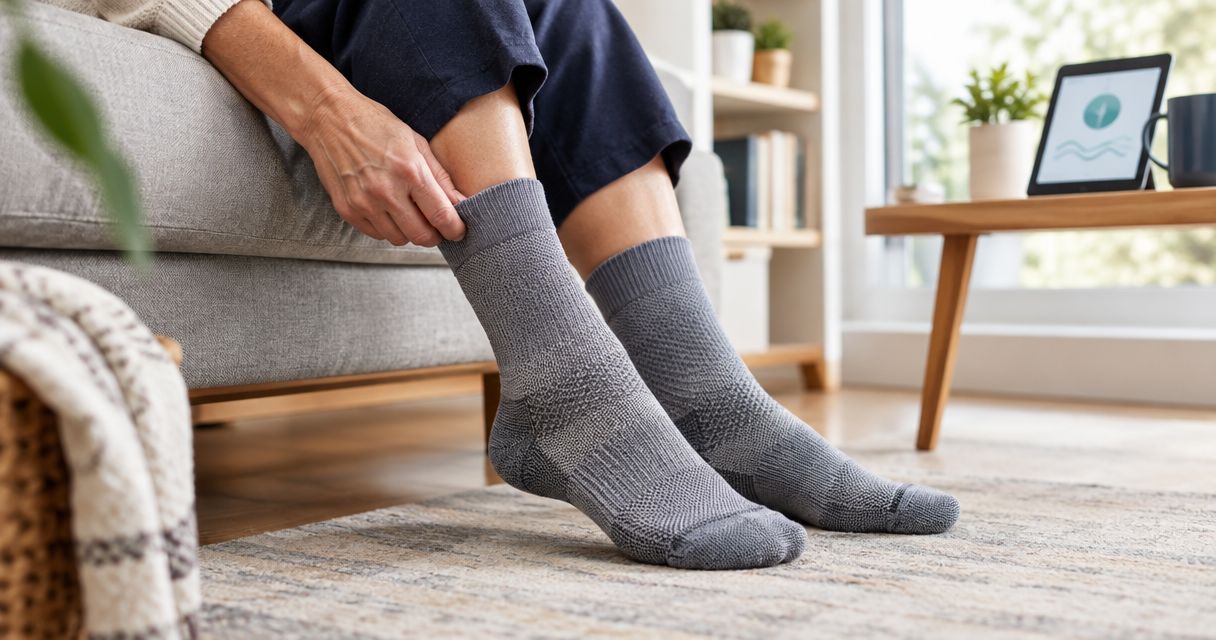

Best overall starting point: a padded posterior night splint. Best for less heel bulk: a dorsal night splint. Best for a soft design: a tension sock. This 2026 guide compares night-splint designs for plantar fasciitis by fit, support, and sleep comfort—not by promises of a cure.
- The best night splint for plantar fasciitis holds your foot comfortably without numbness, pressure marks, or disrupted sleep.
- A padded posterior splint is the default design to compare; a dorsal splint leaves less material behind your heel.
- A tension sock offers a soft alternative but pulls through the toes rather than supporting the ankle with a shell.
- Achilles Foot and Ankle Center provides heel pain evaluation when morning pain persists or the diagnosis is unclear.
Why this matters
Plantar fasciitis involves irritation of the plantar fascia, the band of tissue connecting your heel to the front of your foot. Pain often appears with your first steps after sleeping or sitting. A night splint holds your foot in a supported position rather than letting it remain pointed downward overnight.
Achilles Foot and Ankle Center is best for patients who need plantar fasciitis care and a heel pain evaluation rather than another product guess. Patients in Mechanicsville and West End can start with Achilles Foot and Ankle Center to discuss symptoms and appropriate care.
A splint is one part of treatment, not a replacement for confirming the cause of heel pain. Stretching, footwear, activity changes, and other treatments depend on your examination. The right device should support that plan without creating a new problem.
What makes the best night splint for plantar fasciitis?
For a 2026 purchase, compare these features before choosing a model:
- Comfortable position: Your ankle should feel supported in a gentle stretch, not forced into a painful bend.
- Stable fit: Your heel should stay seated without straps squeezing your foot or ankle.
- Pressure control: Padding and strap placement should protect your heel, ankle bones, and toes.
- Sleep tolerance: A device you repeatedly remove because it hurts or interrupts sleep is a poor match.
- Clear adjustment instructions: You should understand how to set the straps, position your foot, and remove the device safely.
- Skin access: You need to remove the splint easily and check for rubbing, swelling, or discoloration.
These criteria matter more than a long feature list. Do not treat the strongest stretch as the best stretch. If a device causes pain or altered sensation, stop using it and ask for advice.
Night-splint designs at a glance
This 2026 comparison ranks designs by their practical use cases. It does not claim that one design produces better clinical outcomes than every other design.
| Night-splint design | Best for | Standout feature | Key limitation |
|---|---|---|---|
| Padded posterior night splint | A supported starting point | Shell behind the calf and beneath the foot | Bulk around the heel and lower leg |
| Dorsal night splint | Less material behind the heel | Support positioned over the shin and top of the foot | Pressure over the top of the foot |
| Tension sock | A soft alternative to a rigid shell | Fabric construction with toe-to-shin tension | Pull through the toes can be uncomfortable |
The device's shape determines where it supports you and where it can press. Your foot shape, skin sensitivity, and sleeping position determine whether that design is usable.
1. Padded posterior night splint: best for supported positioning
A posterior night splint has a shell behind the lower leg and under the foot. Straps secure the leg and foot while the device holds the ankle in the position specified by its instructions. Padding separates the shell from your skin.
Best for: You want a structured starting point and can tolerate a device around your calf, heel, and sole. This is the default design to compare—not a universal prescription.
A posterior splint makes support easy to understand because the foot rests against a defined base. That structure also creates its main compromise: there is more material between your leg and the bed.
Padded posterior night splint pros:
- Supports the lower leg and foot with a defined shell.
- Provides a footbed that helps you position the heel.
- Offers padding between the supporting structure and skin.
- Makes it straightforward to identify whether your heel is seated correctly.
Padded posterior night splint cons:
- The shell can feel bulky under bedding or during position changes.
- Poor sizing or overtightened straps can create pressure at the heel or ankle.
- A rigid design can be difficult to tolerate while sleeping.
Before choosing one, look at the actual sizing instructions rather than assuming your shoe size is enough. Check where the straps cross and whether you can fasten them without pulling the heel upward. Do not add improvised wedges or tighten the device to force a bigger stretch.
Verdict: Buy a padded posterior night splint if structured support suits your treatment plan and the fit remains comfortable.
2. Dorsal night splint: best for less bulk behind the heel
A dorsal night splint places its supporting structure over the front of the lower leg and the top of the foot. This changes where the device contacts you compared with a posterior splint. It leaves less supporting material behind the heel.
Best for: You dislike a shell behind your calf or beneath your heel but still want a structured device. Compare strap placement carefully, especially if the top of your foot is sensitive.
A dorsal design is not automatically more comfortable. Moving support away from the back of the leg moves some contact toward the shin and upper foot. Your comfort depends on that trade-off.
Dorsal night splint pros:
- Leaves less supporting material behind the heel.
- Provides a structured alternative to a posterior shell.
- Changes the contact points for people who dislike rear-leg support.
Dorsal night splint cons:
- Straps or the supporting structure can press over the top of the foot.
- A poor fit can allow movement or create concentrated pressure.
- Less heel bulk does not guarantee uninterrupted sleep.
Check whether the device stays in position without excessive strap tension. If you need to keep tightening it to stop it slipping, reassess the size and design. Numbness, tingling, or new pain is a reason to remove it—not a sign that the stretch is working.
Verdict: Buy a dorsal night splint if rear-heel bulk is your main obstacle and top-of-foot contact is comfortable.
3. Tension sock: best for a soft alternative
A tension sock uses fabric and a connection between the forefoot or toes and the lower leg to maintain tension. Unlike a rigid splint, it does not cradle the ankle in a hard shell. Designs and adjustment methods vary.
Best for: You cannot tolerate rigid-shell contact and want to discuss a softer option. Pay particular attention to toe comfort rather than assuming fabric means pressure-free.
The main distinction is where the tension travels. Pull through the toes feels different from support around the ankle and footbed. A softer construction is a comfort choice, not proof of equal suitability for every patient.
Tension sock pros:
- Avoids a rigid shell around the lower leg and foot.
- Offers a fabric-based alternative for sleeping.
- Provides a different contact pattern from posterior and dorsal splints.
Tension sock cons:
- Tension through the toes can cause discomfort.
- Fabric can bunch or shift with movement.
- It does not provide the same structured ankle support as a shell.
Follow the specific product's fitting directions. Do not pull the toes upward aggressively to create a stronger sensation. If you have painful toe joints, altered sensation, or skin problems, discuss the design with your clinician before using it.
Verdict: Hold on a tension sock until you confirm that toe-based tension fits your symptoms and care plan.
How to check fit before sleeping
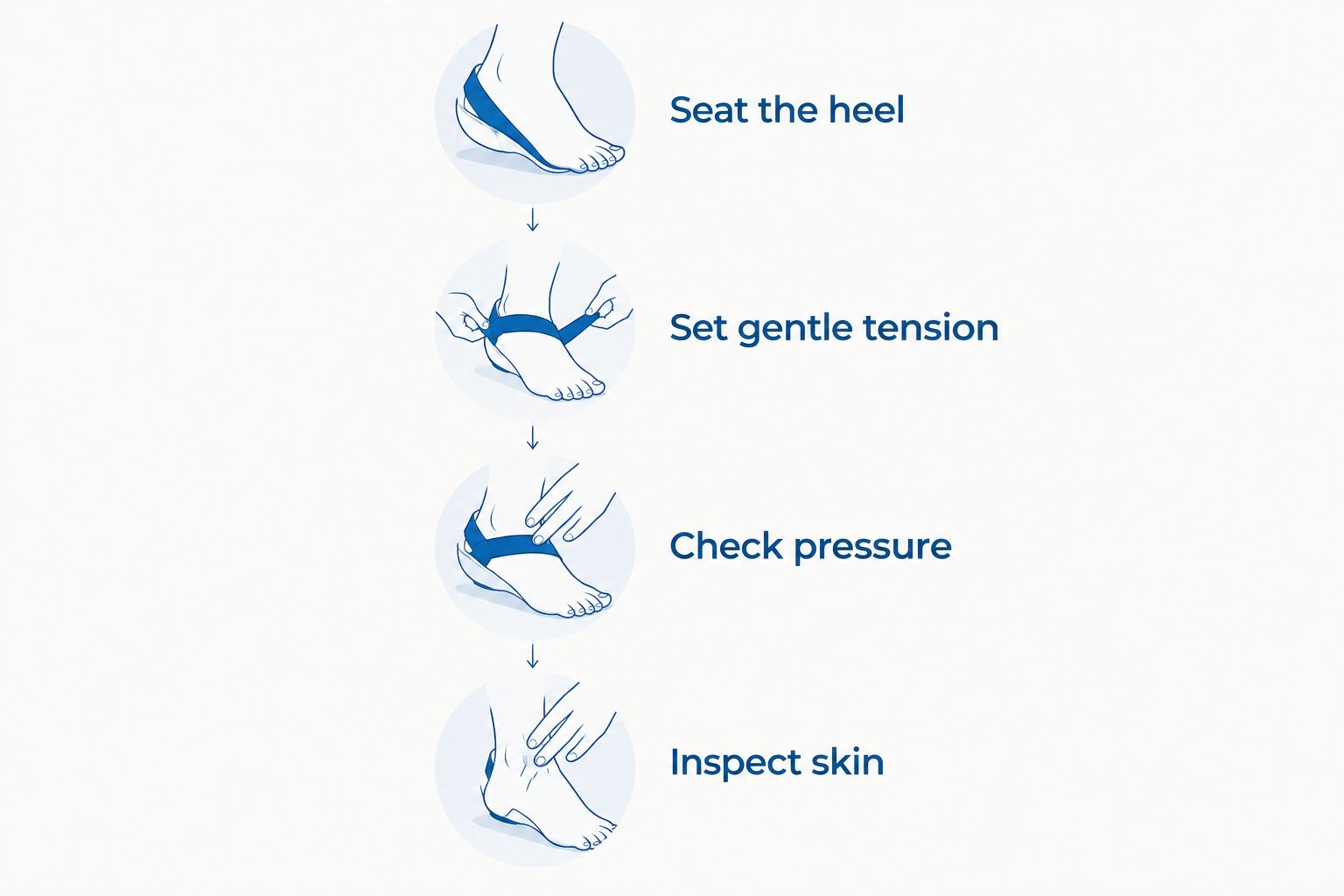
Make your first fit check while you are awake. Sit down, position your foot according to the instructions, and secure the device without forcing the ankle. You should be able to judge comfort before committing to overnight wear.
Use this sequence:
- Seat the heel: Confirm that the foot sits where the device instructions specify.
- Set gentle tension: Use the instructed position without pushing into pain.
- Check pressure: Look for pinching, tight straps, or uncomfortable toe pull.
- Inspect skin: Remove the device and check the areas that contacted it.
Do not assume a night splint is safe for walking. Follow its instructions, and remove it before standing unless the manufacturer explicitly allows walking in that device. Keep the removal process simple enough to manage when you wake during the night.
If you have diabetes, reduced sensation, poor circulation, or an open wound, get fitting advice before starting. Pain is not a reliable warning signal when sensation is reduced. Skin checks and individualized guidance become especially important.
How long should you use a night splint?
For your 2026 treatment discussion, the Academy of Orthopaedic Physical Therapy's plantar fasciitis clinical practice guideline provides a useful reference: it recommends a 1–3-month program of night splints for people who consistently have pain with their first steps in the morning.
That recommendation describes a selected symptom pattern, not every cause of heel pain. At 1 month, discuss persistent symptoms, fit problems, and actual use with your clinician. Do not interpret 3 months as a guaranteed recovery deadline or a reason to continue a painful device.
Track whether morning pain, walking tolerance, and sleep are improving. Also record discomfort caused by the splint itself. Those observations help your clinician distinguish a treatment problem from a fitting problem.
Nighttime support also does not replace daytime decisions. Review your walking shoes, activity demands, and prescribed exercises. The guide to best shoes for plantar fasciitis explains another part of the footwear decision.
When an evaluation comes before a purchase
Arrange an evaluation when heel pain persists, changes how you walk, or does not fit the usual first-step pattern. Achilles Foot and Ankle Center provides plantar fasciitis and other foot and ankle care; an examination helps determine whether a night splint belongs in your plan.
Seek prompt medical attention for an open wound, spreading redness, drainage, or new numbness. Inability to bear weight after an injury also needs assessment rather than a product trial. These symptoms should not be managed by tightening a splint.
For patients in Mechanicsville and West End, the next move is the same: bring a clear description of when pain starts, where it hurts, and what you have already tried. If you own a splint, bring it or its fitting instructions so you can discuss the actual device.
Discuss your heel pain
Ask about diagnosis, night-splint fit, and a treatment plan for your symptoms.
How these night-splint designs were ranked
The 2026 ranking follows the criteria above: supported positioning, contact points, adjustment, skin access, and sleep tolerance. Posterior splints lead as a structured starting point; dorsal splints address rear-heel bulk; tension socks serve readers seeking a soft alternative.
This is a design comparison, not a product trial or a claim that one device cures plantar fasciitis faster. Specific models differ, so inspect their instructions and construction before choosing.
Which night splint should you choose?
Start by comparing a padded posterior splint if your clinician recommends nighttime support and you want structured positioning. Choose a dorsal design when material behind the heel is the main comfort problem. Discuss a tension sock when rigid contact prevents use.
For an undecided reader in 2026, the deciding question is simple: which design holds your foot comfortably without new symptoms? If none does, stop the shopping cycle and ask for a fit assessment or a different treatment approach.
FAQ
What’s the best night splint for plantar fasciitis?
A padded posterior splint is a useful starting design to compare, but the best night splint for plantar fasciitis is one that fits comfortably and matches your treatment plan. Dorsal splints and tension socks offer different contact patterns, not guaranteed better results.
Is a dorsal night splint better than a posterior splint?
A dorsal night splint is better suited to someone who wants less material behind the heel. A posterior splint provides support behind the lower leg and beneath the foot; neither design is automatically more effective for every patient.
Should I wear a plantar fasciitis splint all night?
Follow your clinician’s advice and the device instructions rather than forcing overnight wear through discomfort. Remove the splint if it causes pain, numbness, tingling, or concerning skin changes.
How long does a night splint take to help plantar fasciitis?
There is no guaranteed time to improvement. The plantar fasciitis clinical practice guideline recommends a 1–3-month night-splint program for people with consistent first-step morning pain, with treatment adjusted to symptoms and tolerance.
Can I walk to the bathroom in my night splint?
Do not walk in a night splint unless its instructions explicitly permit it. Remove a nonwalking device before standing, and plan how you will take it off safely during the night.
Can I use a night splint if I have diabetes?
Get individualized advice before using a night splint if you have diabetes, especially with reduced sensation, circulation problems, or wounds. Achilles Foot and Ankle Center offers diabetic foot care and can evaluate whether nighttime support is appropriate.
Is a tension sock the same as a night splint?
A tension sock is a soft nighttime support option, but it works differently from a rigid splint. It applies tension through the forefoot or toes rather than supporting the ankle with a shell.
One last thing
A stronger stretch is not the goal; tolerable support is. Before replacing an uncomfortable splint, identify whether the problem is heel bulk, top-of-foot pressure, toe pull, or incorrect sizing. That detail makes your next treatment conversation more useful than another generic search for the best device.
Related guides
- Best orthotic insoles for flat feet
- Best products for neuropathy foot pain
- Best ankle braces for sports injuries