The simplest answer to how to treat arch pain is a four-step routine. Rest and ice the foot, switch to supportive shoes with an arch support, stretch your calf and the bottom of your foot every day, and see a podiatrist if the pain has not improved after one to two weeks. Most arch pain is an overload problem, and overload usually responds to steady, simple care.
The trouble is that arch pain is hard to read. It can show up as a dull ache after a long shift, a stab with the first steps out of bed, or a sore inner arch that swells by evening. Several structures share that small stretch of foot, so guessing wrong costs you weeks, and pushing through can turn a strain into a tendon injury.
This guide first helps you match your symptoms to a likely cause. Then it gives you four steps with exact times, holds, and shoe checks. Our podiatrists at Achilles Foot and Ankle Center in the Richmond area try appropriate non-surgical options first, so these steps begin with simple home care.
Why your arch hurts and what to check first
Arch pain usually means the plantar fascia, a tendon, or a joint in the midfoot is carrying more load than it can handle, and where and when it hurts points to which one. Check the table before you start. The first week of home care is the same for all of these causes, but the warning signs are not.
Match your pain to a likely cause
| Where and when it hurts | Likely cause | Other clues |
|---|---|---|
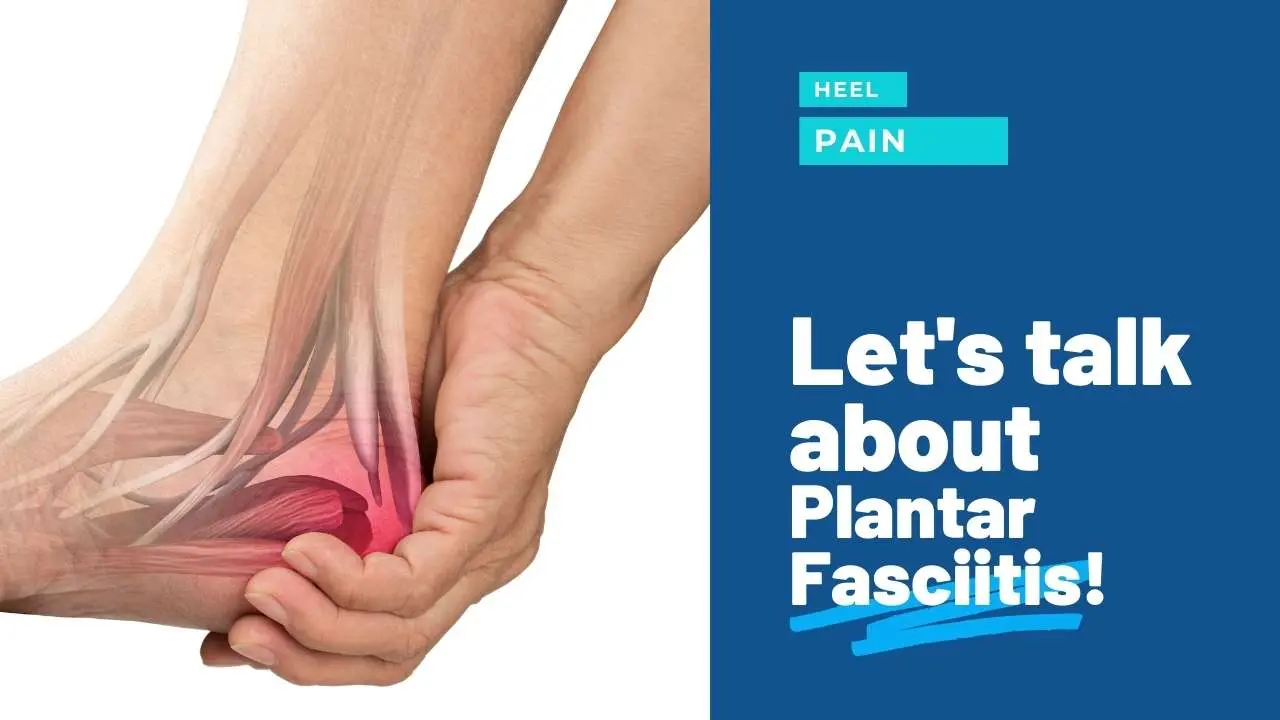
| Arch and heel, worst with the first steps after sleep or sitting | Plantar fasciitis | Eases after a few minutes of walking, returns after rest |
| Inner arch, sometimes swollen | Posterior tibial tendon dysfunction | Arch looks lower, ankle aches, foot rolls inward |
| Whole arch aches after activity | Flat feet or overpronation | Tight calves, inner edge of shoes wears down |
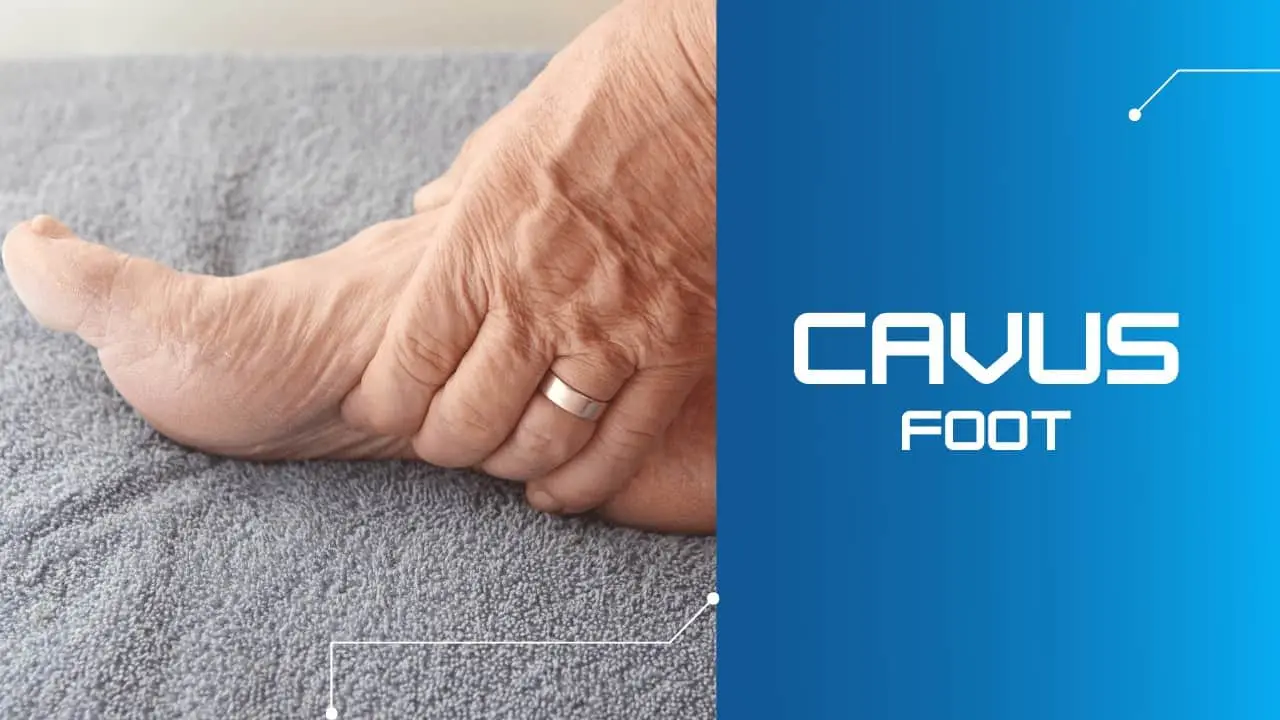
| Pressure under the heel and ball of the foot | High arch (cavus foot) | Stiff, high arch, pain after standing |
| Burning in the arch | Nerve irritation such as tarsal tunnel syndrome | Tingling or numbness may come with it |
| Top of the midfoot, stiff and sore | Midfoot arthritis | Joint stiffness, pain with long walks |
Use the table as a guide, not a diagnosis. Plantar fasciitis is the most common cause on the list, and it often hurts in both the heel and the arch. Several of the other causes overlap with it, so an exam is the only way to be sure.
Fallen arches, sudden pain, and pain that is not plantar fasciitis
Fallen arches, also called flat feet, usually look like an arch that lowers or disappears when you stand, feet that roll inward, and aching in the arch after activity. Some people also get pain or swelling on the inside of the ankle. Many people with low arches have no pain at all, so a flat foot only needs treatment when it hurts.
Sudden arch pain often follows a jump in activity, new shoes, or a long day on a hard floor, and the steps below suit it well. A sharp pain after a twist or fall, or pain that keeps you from putting weight on the foot, is different, so skip ahead to Step 4. If your pain is on the inner arch, burns, or sits on top of the foot, you can still start the same steps, but book a visit sooner if you do not see progress.
Where your arch hurts, and when, is the best clue to what is wrong.
Step 1. Rest the arch and calm the pain
Cut back the activity that set off the pain for at least a week, ice the arch for 10 to 15 minutes twice a day, and use an over-the-counter anti-inflammatory only as the label directs. The goal is to let irritated tissue settle before you ask it to do more.
Rest without going fully inactive
Resting means less load, not no movement. Swap running or jumping for swimming or cycling, and sit down during breaks instead of standing through them. Stay out of bare feet on hard floors at home, because that quietly keeps the strain going all day.
Ice and pain relief
An ice bottle works better than a pack because it fits the arch and lets you massage as you cool. Do this:
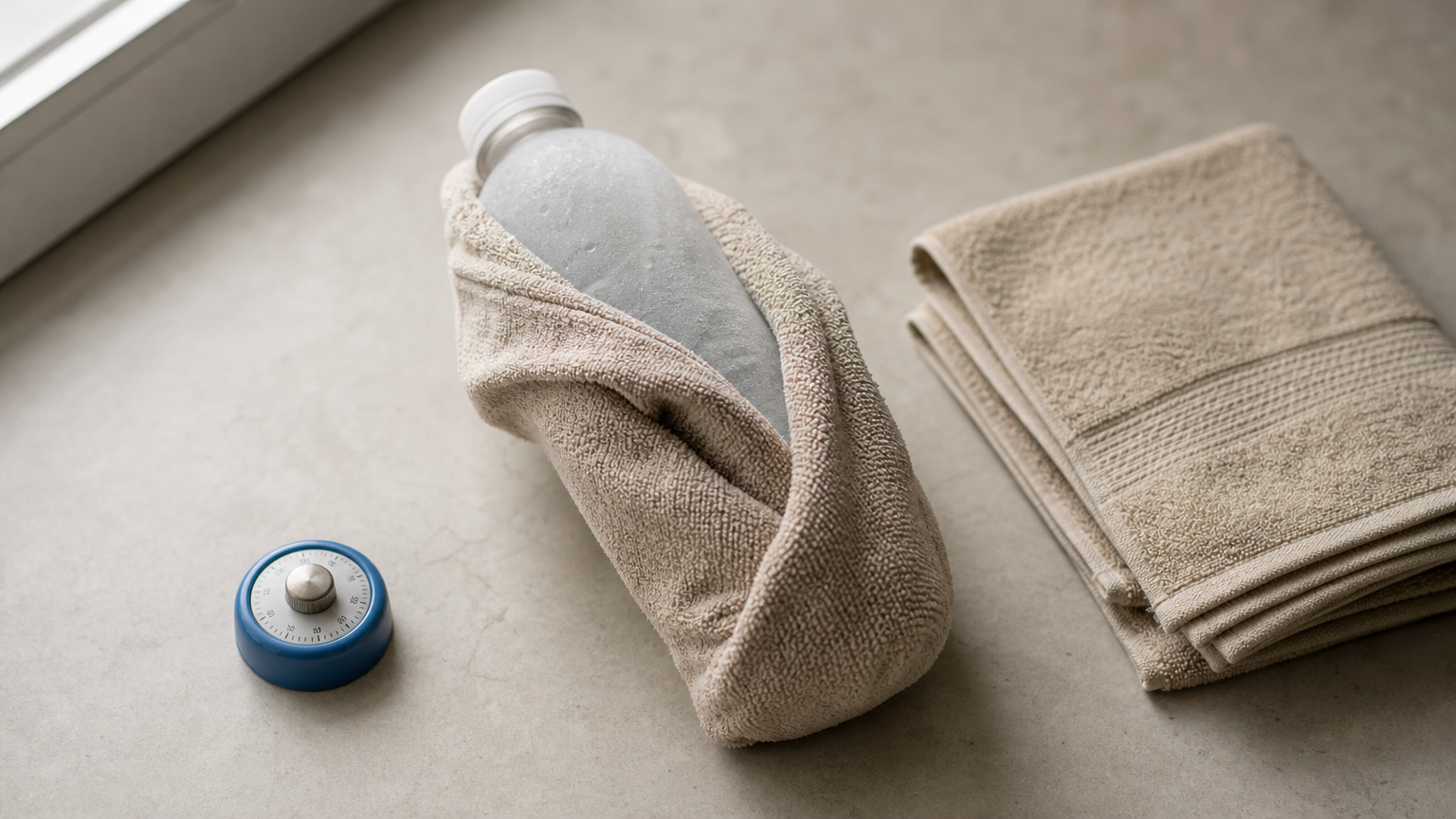
- Freeze a water bottle and wrap it in a thin towel.
- Sit down and roll it under your arch for 10 to 15 minutes.
- Repeat at least twice a day, especially after you have been on your feet.
If you use ibuprofen or naproxen, follow the label and do not take it for more than 10 days in a row without talking to a healthcare provider. Check first if you have kidney or stomach problems or take blood thinners.
Give the arch a full week of lighter load before you judge whether treatment is working.
Step 2. Fix your shoes and add arch support
Wear shoes with a firm, supportive structure all day, including at home, and add an over-the-counter arch support. Replace running shoes after roughly 300 to 500 miles, because a worn midsole stops supporting your arch long before it looks worn out.
What to look for in a supportive shoe
Run through this checklist in the store or on the shoes you own:
- The sole bends at the ball of the foot, not in the middle.
- The shoe resists twisting. If you can wring it like a towel, it will not support your arch.
- The heel cup feels firm when you squeeze it.
- There is cushioning under the heel and forefoot.
- For flat feet or feet that roll inward, a stability shoe adds firmer support on the inner edge.
Flip-flops, flat flexible sneakers, and worn-out shoes are the usual offenders. If you stand all day for work, this is the change that tends to matter most.
Over-the-counter inserts and when to go custom
Look for an insert with a firm but comfortable arch contour and a deep heel cup. Heat-moldable versions fit more closely. Wear a new insert for a few hours at first and build up over several days, since your foot needs time to adjust.
If store-bought inserts do not help after a few weeks, or your arch is very flat or very high, custom orthotics are the next step. At Achilles Foot and Ankle Center, our podiatrists and nurse practitioners design them using a 3D imaging system, so the device matches the demands of your foot.
Shoes and an arch support work all day long, so they often matter more than any single exercise.
Step 3. Stretch and strengthen your foot
Stretch your calf and the bottom of your foot daily, holding each stretch for 30 seconds and repeating it 3 to 5 times. Once the pain has eased, add a few gentle strengthening exercises. Tight calves pull on the arch, so loosening them takes strain off the tissue that hurts.
Three stretches to start with
- Calf stretch: Stand facing a wall with one foot back, heel down and knee straight. Lean forward until you feel the stretch in your calf.
- Plantar fascia stretch: Sit and cross the sore foot over the opposite knee. Pull your toes back toward your shin and feel for tension along the arch.
- Towel stretch: Sit with your leg straight, loop a towel around the ball of your foot, and gently pull it toward you.
Do these after a warm shower, when muscles are loose. If your worst pain is with the first steps of the day, do the plantar fascia stretch before you get out of bed. Stop if a stretch causes sharp pain rather than a pull.
Strengthening exercises once the pain settles
Start strengthening only when walking is mostly comfortable. The towel scrunch is a good first one: sit with your bare foot on a towel on a hard floor and scrunch the towel toward you with your toes. Heel raises are next, done slowly for 10 to 15 repetitions. A short-foot exercise helps too. Pull the ball of your foot toward your heel without curling your toes, hold for five seconds, and repeat 10 times.
A simple daily routine
| Time | What to do |
|---|---|
| Morning | Plantar fascia stretch in bed, then supportive shoes before your first steps |
| During the day | Supportive shoes with an insert, short breaks off your feet |
| Evening | Calf, plantar fascia and towel stretches, then 10 to 15 minutes with an ice bottle |
A short daily stretching routine does more for your arch than one long session each week.
Step 4. Know when to see a podiatrist
See a podiatrist if your arch pain has not clearly improved after one to two weeks of home care, and go sooner if you have any of the warning signs below. Early care keeps a simple strain from becoming a chronic problem.
Signs you should not wait
- You cannot put weight on the foot, or you are limping badly.
- The pain started suddenly with a pop or after a fall or twist.
- The foot is visibly swollen, bruised, red, or warm, or you have a fever.
- Your arch looks like it is collapsing, or the inside of your ankle is swollen.
- You have burning, numbness, or tingling.
- You have diabetes or neuropathy and any new foot pain.
If none of these apply but the pain keeps returning, book the visit anyway. Pain that lasts beyond a couple of weeks means home care is not reaching the cause.
What a podiatrist can do that home care cannot
A podiatrist examines your foot and gait and can image it. At our offices we perform x-rays, ultrasound, and fluoroscopy in-house and refer patients for MRI or CT when needed. Treatment can include custom orthotics, physical therapy, bracing, and injections, and surgery is rarely needed. Our podiatrists try all appropriate non-surgical options first. We have offices in Mechanicsville, Glen Allen, and the West End of Richmond, and you can reach us at 1-804-273-1717.
If home care has not clearly helped within two weeks, a professional exam will save you time.
Next steps for your arch
Treating arch pain comes down to a clear order. Rest and ice the foot, put it in supportive shoes with an arch support, stretch daily, and get it examined if it is not improving. Match your symptoms to the likely cause first, so you know how fast to move.
Most people with overload-type arch pain improve with consistent care, but you should not wait out a foot that looks collapsed, swollen, or numb. If your arch still hurts after a week or two, make an appointment with our team. We will find the cause and build a plan around your symptoms and your daily life.