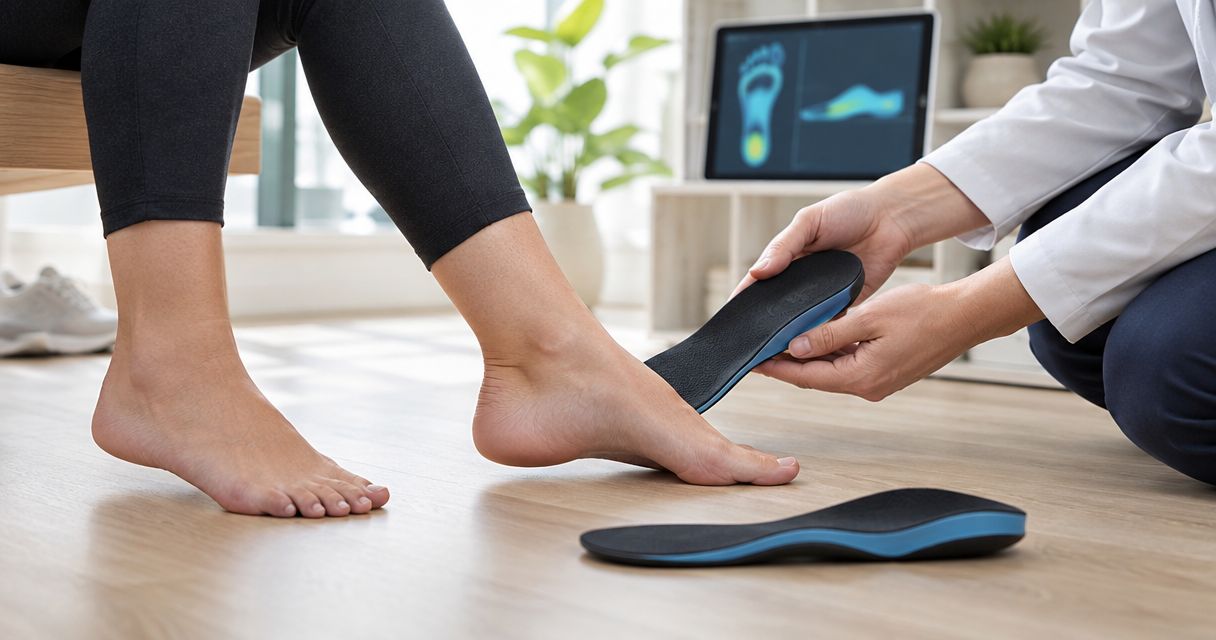
Best overall: extra-depth walking shoes with a rounded toe box. Best for sensitive toe tops: stretch-upper walking shoes. Best for dress occasions: low-heeled shoes with a deep, rounded front. The best shoes for hammertoes in 2026 give bent toes room above and beside them without letting your heel slide.
- The best shoes for hammertoes combine toe-box depth, forefoot width, and secure heel fit.
- Choose extra-depth walking shoes first; choose stretch uppers when seams rub raised toe joints.
- Shoes reduce pressure but do not straighten a fixed hammertoe.
- Achilles Foot and Ankle Center provides foot and ankle evaluation when pain or skin problems persist.
Why this matters
A hammertoe bends at the middle joint of a smaller toe. That raised joint can rub against the shoe upper, while the toe tip presses against the footbed. A shoe can look wide from above and still be too shallow where you need space.
Choose shoes around your toe shape, not around a promise to correct it. Softer materials help with rubbing, but they cannot compensate for a cramped fit. Continuing to wear a painful shoe can contribute to corns, calluses, and skin irritation.
Achilles Foot and Ankle Center offers foot and ankle care in the Richmond area. An evaluation helps distinguish a flexible toe from a stiff deformity and identify other causes of discomfort before you keep changing shoes.
What makes the best shoes for hammertoes?
Use these criteria when comparing shoes in 2026. The shape inside the shoe matters more than its size label.
- Toe-box depth: The upper should clear the raised joint without pressing down on it. Width alone does not solve pressure on top.
- Forefoot width: Your toes should rest without squeezing together or spilling over the edges of the footbed.
- Secure fastening: Laces or adjustable straps should hold your heel back without tightening across painful joints.
- Smooth lining: Check inside for seams, stiff overlays, or wrinkles directly over the affected toe.
- Low heel: A low heel limits the forward slide that pushes toes into the front of the shoe.
- Usable interior space: Socks, prescribed inserts, and padding must fit without crowding your toes.
A common shoe-fitting guideline is about 1/2 inch between your longest toe and the shoe's end. That length check does not replace checking height over the bent joint. Fit both feet, and let the larger foot guide your choice.
Hammertoe shoes at a glance
This 2026 guide compares 6 shoe categories, not specific models. Each recommendation depends on the actual shoe passing the fit checks above; a category name alone does not guarantee suitable construction.
| Rank and shoe category | Best for | Feature to look for | Main limitation |
|---|---|---|---|
| 1. Extra-depth walking shoes | Everyday walking | Vertical space over bent toes | Extra room can allow sliding if the heel fit is loose |
| 2. Stretch-upper walking shoes | Sensitive toe tops | Soft material without a stiff overlay over the joint | Stretch does not replace adequate depth |
| 3. Wide-fit athletic shoes | Exercise with forefoot crowding | Broad forefoot and secure fastening | A wide size can still have a shallow toe box |
| 4. Extra-depth, removable-insole shoes | Wearing prescribed orthotics | Space for the prescribed insert and toes together | An insert can reduce usable toe space |
| 5. Adjustable walking sandals | Warm-weather pressure relief | Straps that avoid the raised joint | Less protection from bumps and debris |
| 6. Deep-toe-box dress shoes | Occasional dress wear | Rounded front and low heel | Dress construction can remain stiff or tapered |
1. Extra-depth walking shoes: best for everyday walking
Extra-depth walking shoes are the starting point when the top of a bent toe rubs inside ordinary shoes. Look for a rounded front that provides height over the joint as well as room across the forefoot.
Do not accept heel slipping as the trade-off for toe space. Your heel should stay secure while the front of the shoe accommodates the toe rather than pushing it flatter.
Extra-depth walking shoe pros:
- Room above the raised joint addresses top-of-toe pressure.
- Adjustable fastening helps separate heel security from forefoot room.
- A walking design suits routine errands and daily activity.
Extra-depth walking shoe cons:
- Extra volume can cause sliding when the heel fit is wrong.
- A stiff seam can still rub despite adequate depth.
Best for: Everyday walking when ordinary shoes press on bent toes.
Try the shoes with your usual socks and inspect the toe area after walking indoors. Verdict: Buy if the upper clears the joint and your heel stays secure.
2. Stretch-upper walking shoes: best for sensitive toe tops
A stretch upper gives the shoe material more flexibility around a raised toe. This category is useful when a stiff overlay or seam causes irritation even though the shoe otherwise fits.
Press the upper gently with your hand before trying it on. A soft-looking fabric can still sit over a rigid lining, so inspect the inside rather than judging the exterior alone.
Stretch-upper walking shoe pros:
- Flexible material accommodates an uneven toe profile.
- A smooth upper avoids a hard seam directly over the joint.
- Adjustable closures help hold the foot without squeezing the toes.
Stretch-upper walking shoe cons:
- Stretch fabric still presses on a toe if the shoe is shallow.
- A soft upper does not necessarily provide secure heel support.
Best for: Sensitive raised joints that rub against stiff shoe materials.
A visibly stretched bump over the toe signals contact, not proof of a good fit. Verdict: Buy only when the material rests comfortably without sustained pressure.
3. Wide-fit athletic shoes: best for exercise with forefoot crowding
Wide-fit athletic shoes suit people whose toes feel squeezed together during exercise. Choose a model designed for your activity, then assess the toe box independently of the width label.
Bunions can add to forefoot crowding. If both conditions affect your fit, the guide to shoes for bunions explains the related need for space across the front of the foot.
Wide-fit athletic shoe pros:
- Additional forefoot width reduces side-to-side crowding when properly fitted.
- Laces help secure the heel and midfoot separately.
- Activity-specific construction lets you match footwear to your exercise.
Wide-fit athletic shoe cons:
- More width does not necessarily provide more height.
- Sizing up for width can leave excess length and heel movement.
Best for: Exercise when forefoot squeezing is the main footwear problem.
Check the fit during the movements your activity requires, not just while standing. Verdict: Buy if both width and depth work; skip a wide shoe that still touches the raised joint.
4. Extra-depth, removable-insole shoes: best for prescribed orthotics
A prescribed orthotic takes up space inside your shoe. Extra-depth shoes with removable insoles can help accommodate the device, but the final fit must work with the orthotic installed.
Follow the prescribing clinician's instructions about replacing the original insole. Do not assume stacking an orthotic on top will leave enough room for your toes.
Removable-insole shoe pros:
- A removable liner allows adjustment for a prescribed device.
- Extra depth helps preserve space above the toes.
- Secure closures help stabilize the foot around the insert.
Removable-insole shoe cons:
- The orthotic can lift the foot toward the upper.
- A device that fits physically can still alter heel security.
Best for: People already using, or being fitted for, prescribed orthotics.
Bring the actual orthotic to the fitting. A comfortable shoe without it is not a complete test. Verdict: Buy only after checking the shoe and prescribed device together.
5. Adjustable walking sandals: best for warm-weather pressure relief
An open forefoot removes an enclosed upper from above the toe, but sandal straps still need careful placement. Choose secure fastening rather than a loose slide that requires your toes to grip to keep it on.
Check that no strap crosses the raised joint. Your foot should stay fully supported by the footbed without toes hanging over its edge.
Adjustable walking sandal pros:
- An open design avoids enclosed toe-box pressure.
- Adjustable straps accommodate differences in foot shape.
- Strap placement is easy to inspect before buying.
Adjustable walking sandal cons:
- Exposed toes have less protection from injury.
- A poorly placed strap can reproduce the same rubbing as a shoe.
Best for: Warm-weather walking when exposed toes are appropriate for your health and surroundings.
If you have diabetes, reduced sensation, or an active wound, ask your clinician about protective footwear instead. Verdict: Buy selectively; skip sandals when your feet need enclosed protection.
6. Deep-toe-box dress shoes: best for occasional dress wear
Choose a rounded front, adequate depth, and a low heel for dress occasions. A shoe that looks broad at the ball of the foot can still taper sharply around the smaller toes.
Try dress shoes while standing and walking. Sitting comfortably in them does not show whether your foot slides forward under load.
Deep-toe-box dress shoe pros:
- A rounded front avoids unnecessary toe taper.
- A low heel reduces forward sliding compared with a high heel.
- Adjustable fastening helps keep the heel seated.
Deep-toe-box dress shoe cons:
- Stiff uppers can press on raised joints.
- Shallow decorative fronts can limit usable toe space.
Best for: Occasional events that call for dress footwear.
Choose fit over a narrow silhouette, and do not expect a painful upper to become safe through wear. Verdict: Buy only if comfortable at the fitting; skip any pair that needs painful breaking in.
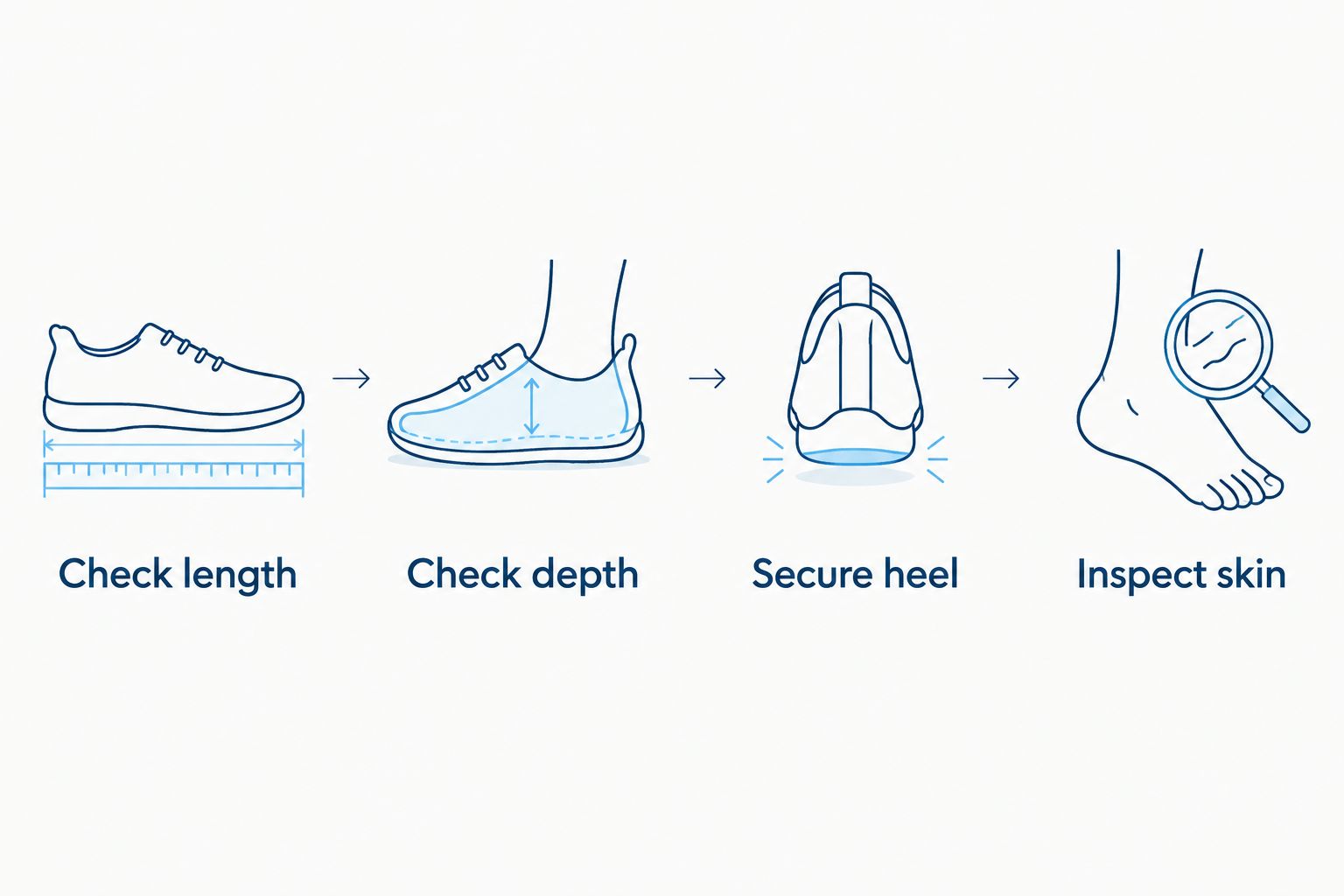
Check fit before keeping a pair
For your 2026 shoe search, use the same process across every category. Check 2 feet, because differences in size and toe position affect the fit.
- Check length: Allow space beyond the longest toe without buying excessive length to solve a width problem.
- Check depth: Feel gently over the bent joint. The upper should not press firmly against it.
- Secure heel: Adjust the fastening and walk. Reject a pair that slides despite appropriate adjustment.
- Inspect skin: Remove the shoes and look for new rubbing, redness, or pressure marks.
Do not rely on pain alone if you have reduced sensation. Shoes can damage skin without producing the discomfort you would normally expect.
How these categories are ranked
The order prioritizes clearance over the bent joint, secure fit, and everyday usefulness. Later categories address narrower needs: prescribed orthotics, warm weather, or dress occasions.
This is a feature-based buying guide, not a hands-on product test or a clinician-reviewed endorsement of specific shoes. For 2026, the practical rule remains the same: reject pressure at the fitting rather than hoping wear will solve it.
Which hammertoe shoes should you choose?
Start with an extra-depth walking shoe for everyday use. Choose a stretch upper when stiff material is the main source of rubbing, or a wide athletic shoe when exercise brings out forefoot crowding. Fit prescribed orthotics inside the shoe before deciding.
Shoes can accommodate a hammertoe; they do not straighten a fixed joint. Recurring corns, persistent pain, or a toe that becomes harder to move deserve an evaluation rather than another round of shoe experiments.
Achilles Foot and Ankle Center offers foot and ankle evaluation for patients in the Richmond area, including Mechanicsville and West End. Bring your most-used shoes and any inserts so you can discuss where pressure occurs.
Get your toe pain evaluated
Discuss persistent rubbing, toe stiffness, or skin changes and the next step in your care.
FAQ
What’s the best type of shoe for hammertoes?
An extra-depth walking shoe with a rounded toe box is the best starting point for everyday hammertoe accommodation. Check that the upper clears the raised joint and the heel stays secure.
Are wide shoes enough for hammertoes?
No, wide shoes are not enough if the toe box is too shallow. A hammertoe needs vertical clearance over the bent joint as well as room across the forefoot.
Can shoes straighten a hammertoe?
Shoes do not straighten a fixed hammertoe. Better-fitting footwear reduces pressure, while an evaluation determines whether other treatment is appropriate.
Should I buy a bigger shoe size for hammertoes?
Do not automatically buy a longer shoe to accommodate hammertoes. Compare depth and width first, because excess length can let your foot slide and create new rubbing.
Are sandals better than sneakers for hammertoes?
Sandals are not automatically better than sneakers for hammertoes. An open front avoids an enclosed upper, but straps can rub and exposed toes have less protection, especially when sensation is reduced.
What should I do if a hammertoe has a sore on it?
Seek prompt medical advice for an open sore, especially if you have diabetes or reduced sensation. Spreading redness, drainage, fever, or a darkening toe needs urgent medical assessment rather than a shoe change alone.
When should I see a podiatrist about hammertoe shoes?
Arrange an evaluation when toe pain, repeated rubbing, corns, or stiffness persist despite better-fitting shoes. Achilles Foot and Ankle Center provides foot and ankle care for patients seeking assessment in the Richmond area.
One last thing
The longest toe is not always the big toe. Measure shoe length from whichever toe extends farthest, then separately check the height over the hammertoe. Passing one check does not mean the other fits.
Keep that distinction in mind when replacing shoes in 2026. You need space in the right places, not simply a larger size.
Related guides